

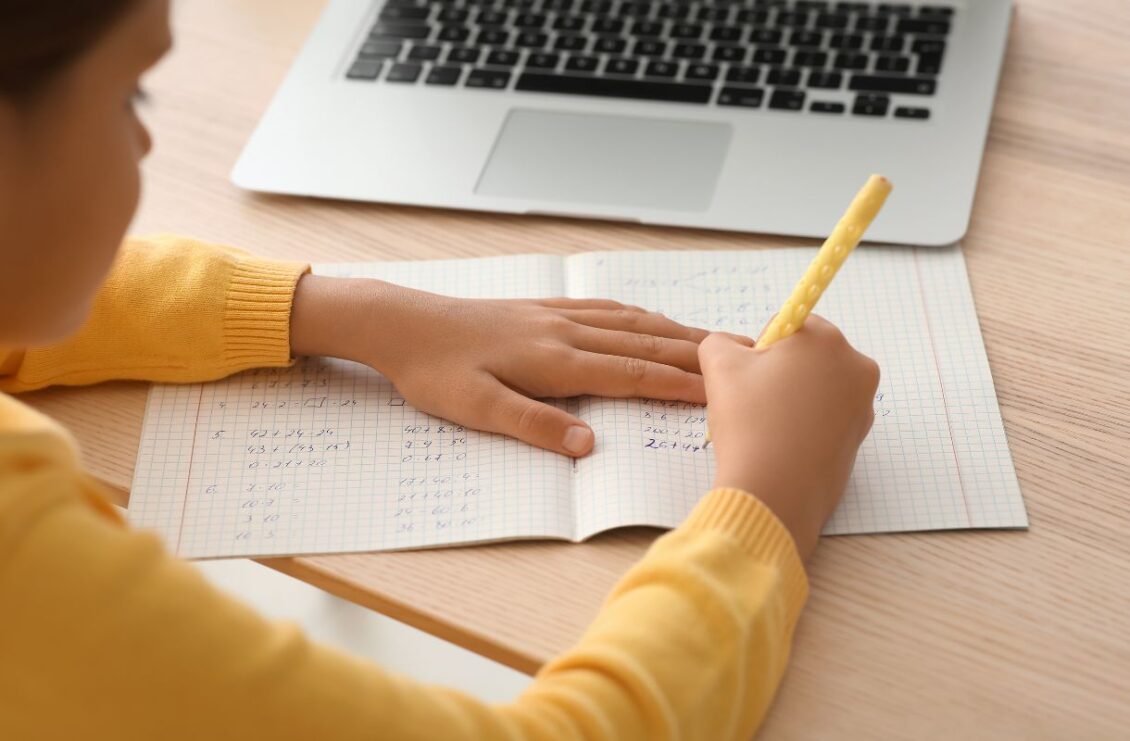
GCSE revision can be a stressful time for both students and parents. As a parent, you want to help, but it’s not always clear what support really makes a difference. The good news is that you don’t need to be a subject expert to help your child succeed. With the right routine, resources and encouragement, you can support effective GCSE revision at home without adding pressure.
When Should GCSE Revision Start?
Most students benefit from starting GCSE revision around three to six months before their exams. For Year 11 pupils, this usually means beginning after mock exams in December or January, with exams taking place in May and June. Starting earlier allows revision to be spread out, making it easier to revisit topics and focus on weaker areas without panic. Early revision also helps build confidence. When students feel more prepared, they are often less anxious and more motivated to keep going.
How Much Revision Is Enough Each Day?
More revision does not always mean better results. Short, focused sessions work best. Encourage your child to revise in blocks of 25 to 45 minutes with short breaks in between. This helps them stay focused and avoid burnout.
Anywhere between one and four hours a day is normal, depending on how close exams are and how confident your child feels. Active revision, such as answering questions, using flashcards or doing past papers, is far more effective than reading notes for hours.
Creating the Right Environment at Home
A calm and organised environment can make a big difference. Try to provide a quiet space where your child can revise without distractions. This might be at the dining table or another shared space, rather than their bedroom, so they clearly separate study time from rest time. A balanced routine is also important. Make sure revision fits alongside meals, sleep, exercise and time to relax. If your home is busy, setting agreed “quiet times” in the evening can help your child focus.
Helping Your Child Stay Organised
One of the most useful things you can do is help your child plan. Encourage them to create a simple revision timetable that breaks subjects into manageable topics. Using the exam specification for each subject is a great way to check exactly what they need to know.
Regular check-ins can also help. Ask how revision is going, what they find difficult and whether the plan needs adjusting. Support and flexibility are more helpful than strict control.
GCSE Revision Resources to Use
There are many high-quality GCSE revision resources available, both free and paid. BBC Bitesize is a popular starting point, offering videos, quizzes and clear explanations. CGP revision guides are useful for covering the full syllabus in a simple way, while platforms like Seneca and Anki support active learning through quizzes and flashcards.
YouTube channels such as The GCSE Maths Tutor are also helpful, especially for students who learn better by watching and listening. Checking your child’s exam board, such as AQA, OCR or Pearson Edexcel, is important so they practise with the right materials and past papers.
Showing Interest Without Pressure
Sometimes, the best support is simply being interested. Ask your child what they are revising and listen to what they say. You can quiz them using flashcards or ask them to explain a topic in their own words. This builds confidence and reminds them they are not alone.
It’s also important to encourage breaks. Regular rest, fresh air, healthy food and sleep all play a role in good revision. Small rewards and time with friends can help keep motivation up.
When Extra Support Helps
Even with strong support at home, some students need extra help. Online tutoring can be a flexible and effective option, especially for subjects your child finds difficult. GCSE tutors can provide clear explanations, exam practice and personalised guidance.
Platforms like Edumentors offer online tutoring tailored to GCSE students, helping them stay on track and build confidence during revision. For many families, this extra support reduces stress and improves results.
Final Thoughts
Supporting GCSE revision at home is about balance. You don’t need to take over or add pressure. By helping your child stay organised, encouraging good habits and offering reassurance, you can make revision feel more manageable.
GCSEs are important, but they are not the only path to success. With steady support, the right resources and, if needed, help from experienced GCSE tutors, your child can approach their exams feeling prepared and confident.
