

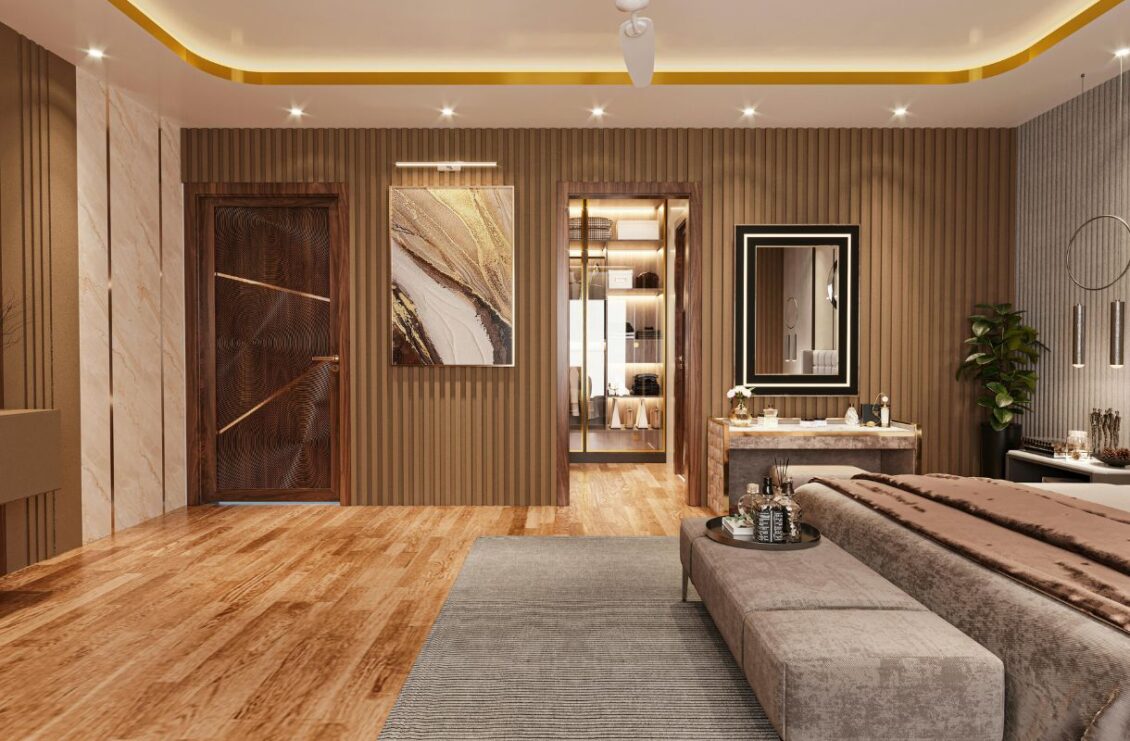
As the seasons change and the cold weather sets in, many homeowners begin to crave spaces that feel snug, inviting, and emotionally warm. Creating a visually warmer interior isn’t just about increasing the thermostat. It’s a blend of colour, texture, lighting, and carefully chosen décor that together influence how a room feels. Whether you’re welcoming guests or enjoying a quiet evening at home, a warm-looking interior has the power to positively affect your mood and comfort. In this article, we explore practical and aesthetic strategies to visually warm up your living space. You’ll discover how elements such as lighting choices, material selections, and smart design decisions contribute to rooms that feel more comfortable and stylish.
Understanding the psychology of warmth
Visual warmth in an interior stems from how our brains interpret sensory cues. Warm colours tend to evoke feelings of comfort and relaxation, while cool tones can feel stark or refreshing depending on context. According to colour psychology research, hues like deep reds, soft ambers, and earthy browns are perceived as warm because they remind us of natural sources of heat like fire and sunlight. These colours can subconsciously make a room feel warmer even before you step foot inside. While bold wall colours can instantly affect the mood of a space, warmth can also be achieved through subtler touches like accent pieces, textiles, and finishes that complement each other.
Lighting that transforms the ambience
Lighting plays a decisive role in how warm or cold a room looks. Harsh, bright white lighting can make even the cosiest furnishings feel clinical. In contrast, soft, warm lighting instantly enhances a space’s welcoming feel. Choosing bulbs with a colour temperature between 2700K and 3000K creates a natural glow that mimics sunset hues and invites relaxation.
Layered lighting — combining ambient, task, and accent lights — adds depth and warmth to interiors. Table lamps, floor lamps, and candlelight all contribute to an atmosphere that feels lived-in and comforting. Candles and LED candles can also bring a flickering warmth that mirrors the natural environment, enhancing visual comfort.
Textures and materials that invite touch
Furniture and décor materials greatly influence perceived warmth. Soft textiles like wool, faux fur, and knitted fabrics add tactile richness that invites touch, making rooms feel more personal. Flooring choices such as hardwood or warm-toned laminate convey an organic warmth compared to colder surfaces like plain tiles. Natural materials like wood, leather, and woven textiles reflect a connection to nature, which inherently feels warm and grounding. Incorporating rugs with rich textures can also visually anchor a space and make it feel cosy even during the chilliest months.
Colour choices that enhance warmth
Integrating warm colours throughout a room does not mean repainting every surface in red or orange. The key is to create harmony between primary and accent hues. Neutral base colours such as beige, taupe, and clay offer a foundation that feels soft and warm without overwhelming the senses. Introducing accent colours through décor, cushions, upholstery, and art helps reinforce warmth without dominating the entire palette.
Earth-inspired tones, such as olive green, muted gold, or terracotta, can bring depth and richness to a space. According to interior design experts, layering colours in gradients, rather than in stark contrasts, supports visual continuity and a seamless, warm atmosphere.
Functional warmth through interior elements
Adding visual warmth doesn’t stop at aesthetic choices; functional design elements influence how we experience a room. For example, investing in products that emit actual warmth enhances visual comfort. Modern electric heating options, such as radiant heaters or smart panels, add both literal and psychological warmth. One innovative option to consider is a product from Stoov.com. Stoov panels provide efficient radiant heat in a sleek design that blends with your interior décor. Their systems often double as stylish wall elements, integrating function and visual appeal. Integrating radiant heating solutions into everyday living spaces ensures that physical comfort aligns with visual warmth. This approach is particularly effective in older homes with poor insulation or high ceilings, where temperature regulation affects how warm a space feels rather than just looks.
A harmonious and warm conclusion
Creating a visually warmer interior is more art than science. It is the thoughtful combination of colours, lighting, materials, and functional heating that leads to interiors which feel inviting and warm throughout the colder months. By understanding how visual cues affect our perception of comfort, you can make design decisions that elevate your home atmosphere instantly.
Whether you’re refreshing your living room, upgrading your bedroom, or simply adding a few cosy touches, incorporating these principles ensures your home remains a welcoming refuge. Warm colours invite the eye, layered lighting soothes the atmosphere, rich textures appeal to the senses, and smart heating options like those from Stoov.com offer warmth that you can both see and feel. Combining these strategies results in interiors that are not just visually warmer, but genuinely more comfortable and emotionally uplifting. Embrace the winter season with a home that feels like a warm embrace, no matter what the weather is like outside.
