

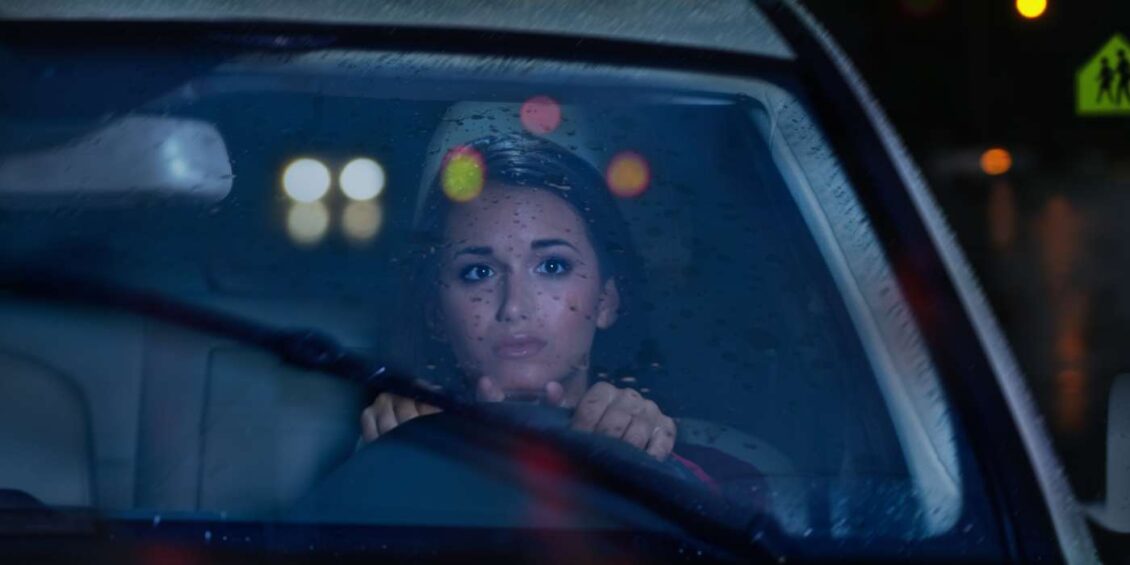
Driving at night can feel daunting, especially for female drivers who may be more aware of their vulnerabilities. The lack of daylight makes hazards harder to spot, and you might feel more exposed when driving alone. But with a few simple strategies, you can boost your confidence and stay safe while navigating the dark. By being proactive and adjusting your driving techniques, you’ll be prepared to handle the unique challenges of travelling at night effectively.
Preparation is Paramount
Check your headlights and taillights to make sure they’re working properly and are free of dirt, as a dirty light lens can reduce visibility. Replace worn wiper blades and top up your windscreen washer fluid. It’s also a good idea to familiarise yourself with the route, particularly if you’re driving somewhere unfamiliar. Finally, ensure your phone is charged and easily accessible in case of emergencies – but avoid distractions by keeping it out of your hands while driving.
Driving Techniques for Reduced Visibility
36% of UK drivers have hit an animal while driving, so keep your speed in check so you have more time to react to obstacles like wildlife. Avoid using high beams unless necessary, as they can blind other drivers. When another vehicle’s high beams are on, look toward the road’s edge or centre line to avoid being dazzled. Increase the following distance between your car and others, as stopping distances are longer in the dark. If you start feeling tired, pull over and take a break; being drowsy behind the wheel is not worth the risk.
Tech and Gadgets
Modern tech can make travelling at night safer and easier. A smart dash cam records footage while you drive, helping you in the event of an accident. Many dash cams come with night vision too, so that you can capture essential details even in low-light conditions. If your car has safety features like lane-keeping assist or automatic braking, use them to add an extra layer of protection. Navigation systems with night mode are also easier on your eyes and reduce strain when driving after dark.
Personal Awareness
If you need to stop, choose well-lit areas with plenty of people around. Trust your instincts – if something feels off, don’t hesitate to leave and find a safer location. Keep your car doors locked and windows up, even when making quick stops. This simple precaution can prevent unwanted attention and help keep you safe.
Confidence and Safety on the Road
Night driving doesn’t have to be a source of anxiety. By following these helpful tips, you can reduce the risks and feel more confident behind the wheel. Remember, safety comes down to being proactive – whether it’s ensuring your lights are clean or trusting your gut when something feels off. Taking these steps will help you stay alert, reduce distractions, and improve your ability to handle the unexpected.
