

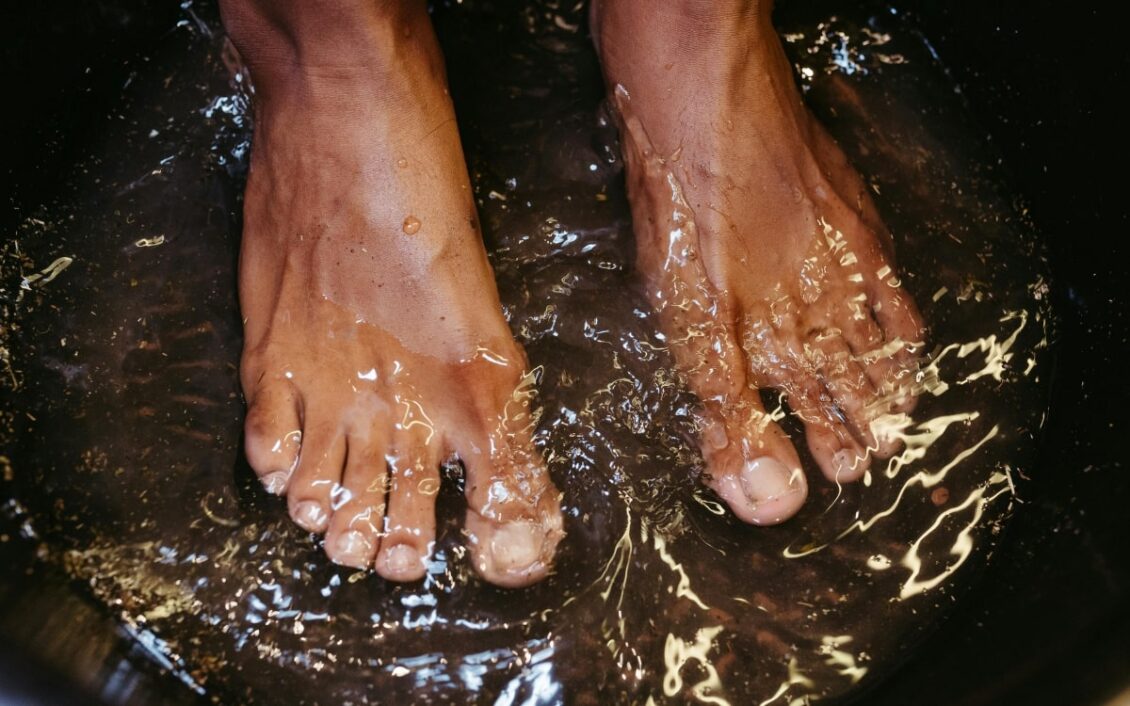
Most people have walked barefoot in public pool areas or gym showers at some point. It seems harmless enough. But that’s exactly how verrucas spread. These rough, hardened lumps appear on the bottom of your feet and affect a huge number of people each year. Nobody likes the look of them. Walking on them can be painful too.
They stick around for ages once they’ve taken hold. If you’re dealing with a verruca now, or trying to stop yourself getting one, there are things worth knowing.
What Actually Causes Verrucas and Why Some People Get Them
Verrucas come from HPV, the human papillomavirus. This particular virus loves wet, warm conditions. Swimming pools are notorious breeding grounds. So are shared showers and gym changing facilities. Your feet have microscopic tears in the skin you’d never spot. That’s enough for the virus to get through. When someone with a verucca walks across wet tiles barefoot, they deposit the virus there. The next person walks through the same area without footwear and picks it up.
Young people get verrucas much more frequently. Kids are in school swimming pools regularly for PE lessons. Teenagers use the changing facilities for sports clubs. Their immune systems haven’t finished developing either, which matters when fighting off viral infections. Adults aren’t exempt, though. Previous verruca sufferers often find themselves dealing with repeat infections down the line. Feet that sweat excessively increase your chances of infection. People with weakened immune systems face a higher risk as well.
The growth pattern of verrucas causes extra frustration. You stand and walk on your feet constantly. This pressure pushes verrucas inward instead of letting them grow outward like warts elsewhere on the body. What forms is a thickened, callused section of skin. Small black specks appear in the middle. Many people assume that’s dirt, but it’s actually tiny blood vessels.
Smart Prevention Tactics That Actually Work
Stop going barefoot in communal wet areas. Buy flip-flops or pool shoes and keep them for this purpose only. Let them dry between each use. Don’t share towels with anyone—not even people you live with. The virus survives on fabric and transfers easily that way.
Wash your feet with soap daily. Actually, scrub them rather than letting the shower water rinse over them. Dry thoroughly when you’re done, especially between the toes where water gets trapped. Damp shoes create problems. Rotate which pair you wear so each one gets time to air out properly. Putting on the same trainers every single day without giving them a chance to dry invites infection.
Getting Rid of Verrucas: What Works
Your body’s immune system might eventually deal with a verruca on its own. That process typically takes months. Sometimes it takes years. Most people would rather not wait around for that. Treatments containing salicylic acid are available from pharmacies and work for many people. You need to apply them regularly, though. Missing days set you back.
Verrucas that won’t budge may need professional treatment. Cryotherapy—where the verruca gets frozen—is one option. Whichever approach you take, put a waterproof plaster over it before swimming. That stops transmission to other people. Don’t scratch it or try to pick at it. You’ll spread the virus to different parts of your foot or onto your hands. Clearing up a verruca requires patience. Expect to continue treatment for several weeks before seeing real improvement.
