

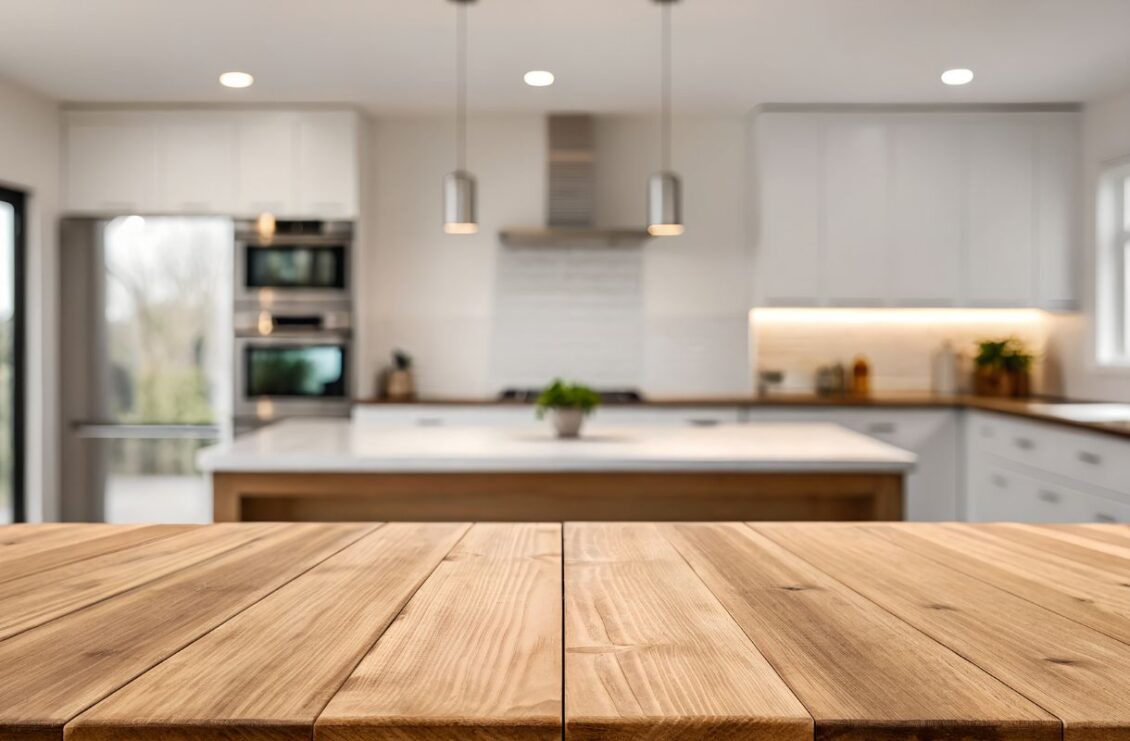
Kitchens often look tired long before the cabinets themselves wear out. Solid carcasses can last for decades, while doors that shape the room’s appearance may lose their appeal after only a few years. Many homeowners now recognise that replacing only the doors can refresh the entire kitchen without the cost of a full renovation.
While complete kitchen overhauls remain popular, they often involve high expense and significant disruption. For households seeking a simpler update, changing the doors offers a practical way to modernise the space without extensive building work or unnecessary waste.
Today’s door designs range from clean handleless styles to traditional Shaker options. Made-to-measure sizing also allows kitchens with unusual layouts to be updated with minimal difficulty, helping homeowners achieve a refreshed look while keeping budgets under control.
Why Kitchen Door Replacement Offers Better Value Than Full Renovations
Full kitchen renovations in the UK typically cost far more than door replacement alone. This difference makes door updates appealing for homeowners who want visible improvement without a major financial commitment.
Replacing doors also shortens project timelines. Full renovations can leave kitchens unusable for weeks, disrupting daily routines. In contrast, replacement kitchen doors are often installed quickly, allowing households to continue using their kitchens with minimal interruption.
Environmental considerations also influence many renovation decisions. Retaining cabinet carcasses reduces material waste and limits landfill impact. Updating only the doors keeps the main structure intact while still delivering a noticeable visual change.
Home improvement remains a priority across the UK, with kitchen updates leading many renovation plans. Door replacement has become a common choice for those seeking affordable, practical upgrades.
When Door Replacement Makes Financial Sense
Door replacement works best when cabinet structures remain sound but doors show visible wear, surface damage, or an outdated style. If the existing layout functions well and storage meets household needs, new doors can refresh the kitchen without the cost or disruption of structural changes.
Budget constraints often make full renovations impractical. A door-only update delivers a clear visual improvement at a lower cost while keeping the kitchen usable throughout the process. This option can also act as a practical interim solution, allowing homeowners to improve appearance now while postponing a larger renovation until budgets or priorities change.
Material Options for Replacement Kitchen Doors
Material choice affects both cost and long-term performance. MDF doors remain one of the most accessible options, particularly for painted finishes. Moisture-resistant variants suit busy kitchens and homes with higher humidity.
Solid wood doors offer a classic appearance but usually require more maintenance. Natural wood responds to moisture and temperature changes, which may lead to movement over time.
Vinyl-wrapped and thermofoil doors provide smooth, easy-to-clean surfaces and sit within the mid-range price bracket. Regular checks help spot early wear, such as lifting edges, a point often discussed in broader kitchen wrap material comparison content that examines surface performance over time.
Acrylic doors create a high-gloss, contemporary finish and tend to sit at higher price points. Laminate doors balance durability and affordability, offering resistance to moisture and daily use while imitating wood or solid colours.
Current UK Kitchen Door Trends for 2026
Shaker-style doors remain a common choice across UK homes, largely because they suit both traditional and contemporary interiors. Their simple construction and familiar appearance make them a practical option for homeowners who want a style that ages well.
Matt finishes are widely used in kitchens, as they tend to show fewer fingerprints and surface marks than high-gloss alternatives, a distinction often explained through differences in paint finish types and how surfaces perform in everyday use.
Neutral colours continue to feature heavily in kitchen door choices. Whites, soft greys, muted greens, and blue tones are regularly selected for their flexibility and compatibility with different worktops, floors, and wall finishes. Two-tone kitchens are also used, often to add contrast without overwhelming smaller spaces.
Handleless doors remain present in UK kitchens, particularly where clean lines are preferred. At the same time, slim handles and recessed grips are commonly chosen where ease of use and durability are priorities.
Measuring for Made-to-Measure Kitchen Doors
Accurate measurement is essential for successful door replacement. Always measure the cabinet opening rather than the existing door, as older doors may not reflect the true size of the frame. Check each dimension in several places, since cabinets can shift slightly over time, particularly in older homes.
Understanding overlay and inset door styles matters, as each affects measurement methods and final appearance, with layout and spacing considerations often discussed in relation to inset kitchen design and how doors sit within the cabinet frame.
Special care is needed around corner units and integrated appliances. Doors must have enough clearance to open fully without catching on adjacent surfaces or appliance fronts. Taking note of surrounding gaps helps prevent functional issues after installation.
Recording hinge positions accurately supports correct alignment and smooth operation. Measuring hinge spacing and noting fixing points ensures new doors sit evenly once fitted. These same measurement principles also apply when updating storage units elsewhere in the home, helping maintain a consistent finish across different rooms.
Common Measurement Mistakes to Avoid
Measuring old doors instead of cabinet frames is a frequent cause of poor fit, as existing doors may not reflect the true dimensions of the cabinet opening. This mistake becomes more likely in older kitchens where cabinets may have shifted slightly over time.
Overlooking overlay requirements can also affect both appearance and function. Overlay determines how far the door sits over the cabinet frame, influencing clearances, hinge choice, and overall alignment. Incorrect overlay assumptions often lead to uneven gaps or restricted movement once doors are fitted.
Drawer fronts should always be measured separately from doors, as their dimensions often differ even within the same cabinet run. Treating them as identical can disrupt visual balance and result in mismatched fronts.
Clearance around appliances and corner units requires particular attention. Failing to allow enough space for doors to open fully can cause installation problems that only become apparent after fitting, leading to unnecessary adjustments or replacements.
DIY Installation Tips for Kitchen Door Replacement
Installing replacement doors requires basic tools and preparation. Removing old doors first and organising fixings helps streamline the process.
Different door styles demand careful alignment, with adjustment during fitting often relying on correct cabinet hinge adjustment to ensure smooth operation and even spacing.
Installation time varies by kitchen size and layout. Simple replacements may be completed quickly, while more complex setups may benefit from professional help.
Finishing Touches That Improve Door Replacements
Coordinating doors with other elements enhances the overall effect. Updating splashbacks, lighting, or handles helps unify the new look without major expense.
Under-cabinet lighting improves visibility and highlights door finishes. Colour-matched accessories reinforce the chosen style and complete the transformation.
Replacing kitchen doors offers homeowners a practical way to refresh their kitchens without the cost and disruption of full renovations. With suitable materials, careful measuring, and thoughtful finishing touches, door replacement delivers noticeable results while keeping budgets and timelines under control.
