

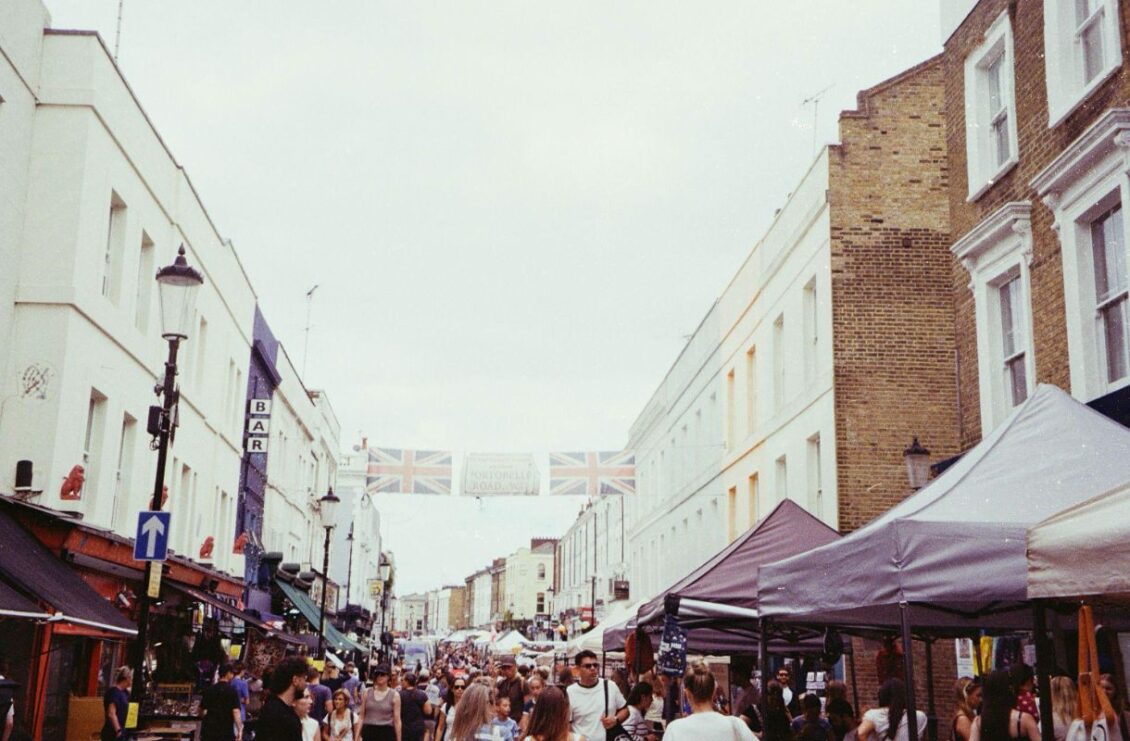
Changes are once more taking place on Britain’s high streets. At this time, high street retailers are accompanied by leisure businesses, cafés, betting shops, vaping shops, and gaming establishments. There is an ongoing debate over the future of town funds and the shape of high streets. The reforms in the gambling sector have also become an element of the discussion, especially as the councils start to gain more power related to the restrictions over the operation of new gambling establishments. The problem touches upon such issues as regulations, employment, public health, and problems with revitalizing local shopping.
Аlthough online gambling services are growing, gambling in its traditional form still remains visible. According to the figures provided by the Gambling Commission in 2026, there are 8,254 gambling establishments operating in Britain, including 5,782 betting shops and 1,454 adult gaming centers. It is also important to note that the number of betting shops has dropped, while the number of adult gaming centers has slightly increased.
People researching the changing gambling market may encounter the full breakdown on a betting or online casino website, where information about gambling services can sit alongside commercial features. These sites may serve to promote competitions, seasonal festivities, daily compensation , and certain promotions. Their advancement brings to light a significant issue for authorities: as there is increased regulation of realities on the ground, online gaming becomes easier to access.
Why gambling on the high street is changing
New rules and greater local control
The English Devolution and Community Empowerment Act 2026 brought about a major change to the regulatory framework. The Act forms a basis for a Gambling Impact Assessment. With the introduction of Gambling Impact Assessment, local authorities have more power when it comes to facilitating new gambling establishments. If it turns out that the new establishment is not compatible with gambling licensing objectives, councils can adopt a presumption against granting licences in defined areas.
This is a change from the historical approach under the Gambling Act 2005. The authorities are not focused only on whether the applicant meets licensing criteria anymore. They are given a chance to assess the cumulative effect of gambling businesses in particular neighbourhoods.
The debate also intersects with charity news and wider discussions about how gambling-related money interacts with communities. Gambling encompasses very different activities, from commercial betting to lotteries that generate funding for good causes. This makes the economic and social picture more complicated than a simple debate between allowing or prohibiting gambling premises.
What reform could mean for local communities
The social and economic impact
Proponents of stricter local regulations point out that councils understand their areas.
As evidence, it was noted that there is a difference between a town with many gaming facilities and a town in which these facilities are not present or less numerous. The introduction of gambling impact assessments is a means of addressing these differences.
At the same time, there is evidence that the geographical location of some establishments should be a matter of concern. In February 2026, the UK government noted that the number of adult gambling venues has increased by 7% since 2022. It was observed that adult gaming establishments are located in more disadvantaged areas in larger numbers.
At the same time, restrictions may have an economic impact. Betting shops hire staff, take the space of commercial investors and contribute through taxes. Betting places may also attract customers to areas with many empty shops. Therefore, programs that aim to improve the situation in the towns should consider the expenditures needed to fill in the vacancies.
It is also worth noting that there is a difference between current operations and newly established businesses. In particular, gambling impact assessments are not applicable to businesses already registered and thus legal.
The shift from physical to online gambling
In any high street reform discussion, it is important to take into account the changing behavior of consumers. Moving gambling away from physical locations won’t necessarily discontinue gambling practices. Customers have options through the use of mobile phone and internet technology without needing to step inside a betting shop.
The Government has realized this as well and understands that land gambling is generally less risky than online gambling. Therefore, policymakers are faced with a dilemma as it is hard to strike a balance.
Tax policy has taken this difference partially into consideration. As of April 2026, the Government abolished Bingo Dutyand restrictions on remote gambling are stricter. According to the Treasury, gambling duty changes will raise more than £1 billion per year.
The future of Britain’s high streets
Finding a new balance
The reform of gambling is part of a much bigger issue affecting our high streets and shopping centres. The areas have been impacted by the growth of online shopping, changing work patterns, and reduced demand for specific types of traditional retailing. Grocery stores, fitness facilities, entertainment venues, health services, and apartments have begun to replace the traditional places once only associated with shops.
Making more local decisions could allow municipalities to come up with a better mix of businesses. Instead of simply trying to get rid of gambling operations, authorities could decide whether one more betting shop or gambling centre is needed and whether it can in any way contribute positively to the local community.
Information from recent reports suggests that there is inconsistency in expansion of gambling establishments in Britain. According to statistics obtained from the Gambling Commission, there were a total of 5,782 betting establishments which represented a decrease in number from the last report. Therefore, discussions concerning gambling are directed more toward localization of gambling establishments instead of growth across the country.
The key aspect of the reforms’ impact will depend on the ways the local authorities utilize new opportunities. Too strict regulations can cause loss of jobs and put many commercial units out of work while lack of regulations can result in the emergence of establishments bringing minor or nonexistent benefits to local residents.
It’s clear that the high street in Britain will keep changing due to gambling reform. The main puzzle that needs answering is the extent to which local control will help the authorities with implementing the necessary changes.
