

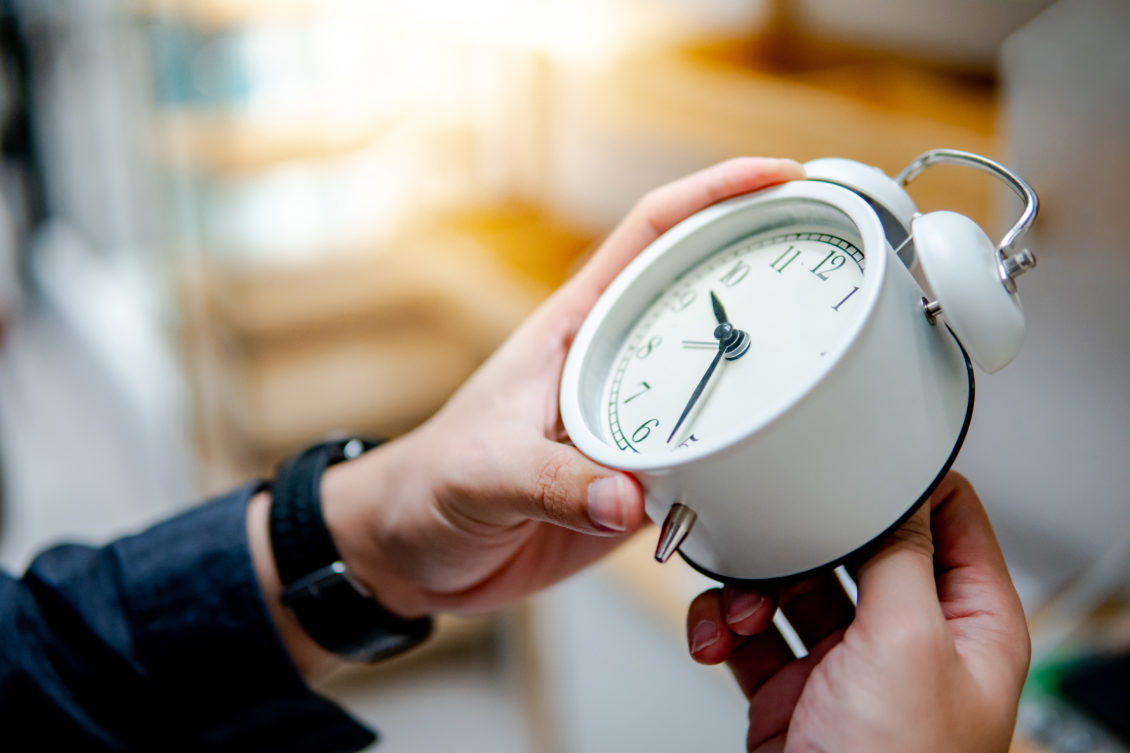
It’s that time of year again when we all start to wonder when are the clocks changing. Do they go forward or back. How on earth is it March already?
Whilst pondering the passing of time, there’s a quick way to remember which way the clocks move. Think spring forward, fall back. Or as I like to say, March forward, fall back. Either way, it does the trick.
In the UK, the clocks always change on the last Sunday of March and the last Sunday of October.
In 2026, the clocks go forward by one hour at 1am on Sunday 29 March. That means lighter evenings and the start of British Summer Time, often shortened to BST.
They then go back by one hour at 2am on Sunday 25 October, marking the return to Greenwich Mean Time, or GMT, for the winter months.
British Summer Time is the period when the clocks are set one hour ahead. We get more daylight in the evenings and darker mornings. When the clocks go back in October, we return to standard time.
Most phones, laptops and smart devices will update automatically, so you probably will not even notice it happening. It is worth remembering that anything powered by batteries may not change on its own. Wall clocks, ovens and some watches often need adjusting manually. The same goes for many cars, so it is worth checking before you set off on Monday morning.
So if you wake up feeling slightly confused on Sunday 29 March, now you know why. Just remember, March forward, fall back, and you will never get caught out.
