

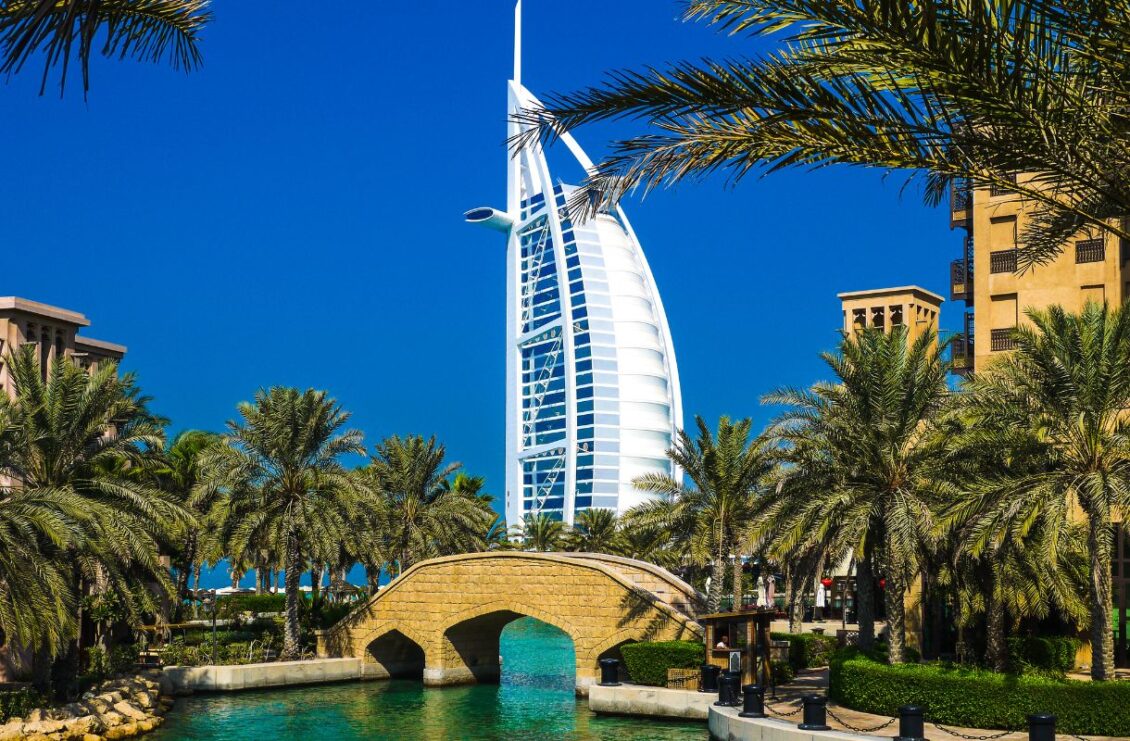
If it feels like everyone knows someone who has swapped the drizzle for the desert, that is because the numbers are genuinely staggering. Dubai is currently welcoming around 470 new residents every single day, with its population crossing roughly 4.04 million in late 2025 after growing about 4.47 percent year on year. The emirate is on track to pass five million by 2030, and that growth is overwhelmingly driven by expats, with foreign residents making up close to nine in ten people in the city. British nationals remain the largest Western expat community there, so a professional from Cardiff, Swansea, or Wrexham would be in plenty of company.
The pull is easy to understand: tax-free salaries, year-round sunshine, fast career progression, and a short enough flight home to make weekends in Wales realistic. But a move this big rewards planning. Here is a practical, current guide to what it actually takes to relocate in 2026.
Why so many are making the move
Dubai’s economy is hungry for skilled people. The sectors doing the most hiring include finance, technology, logistics, construction, aviation, and healthcare, and the city hosts the regional headquarters of global names like HSBC, Goldman Sachs, Microsoft, and Amazon. Housing supply is struggling to keep pace with all those arrivals (the city needs roughly 150 new homes a day just to keep up), which tells you everything about how strong demand currently is.
The headline draw for most Britons is simple: there is no personal income tax in the UAE, so your salary is what you take home. Add in modern infrastructure, low crime, and an English-speaking business culture, and the appeal becomes obvious. It is not for everyone, and we will get to the trade-offs, but the fundamentals are real.
Getting the right visa
You cannot live and work in Dubai without a residence visa, and choosing the right route matters. There are three main options for a Welsh professional.
The employment visa is the most common path. It is sponsored by your employer, who handles most of the paperwork and usually the cost, and it is tied to that job. It typically runs for two years, includes your Emirates ID, and obliges your employer to provide health insurance. The catch is that it is linked to your sponsor, so changing jobs means transferring or cancelling the visa.
The Green Visa is a self-sponsored five-year option aimed at skilled professionals and freelancers. It generally requires a bachelor’s degree and a monthly salary of around AED 15,000 (roughly £3,200), and it lets you switch employers or freelance freely, with fees of about AED 3,500 to AED 5,000 (£750 to £1,100).
The Golden Visa is the flagship ten-year residency. Professionals earning AED 30,000 a month or more (around £6,400) can now apply directly, a threshold that was lowered from AED 50,000, and property investors qualify with real estate worth AED 2 million or more. It requires no employer sponsor and lets you bring your family with ease.
A couple of practical notes. If you want to sponsor a spouse or children, you will generally need to earn at least AED 4,000 a month (about £850), or AED 3,000 plus provided accommodation. And from 1 July 2026, an AI-assisted health screening through the Dubai Health Authority applies to employment, Green, and Golden Visa applicants. Always apply through official UAE government channels, and the UAE government’s official portal is the place to confirm the latest requirements before you commit to anything.
The money: tax, salary and one important caveat
Tax-free income is the headline, and it is true: there is no personal income tax on your salary in Dubai. The UAE does charge 5 percent VAT on most goods and services, and property purchases carry a 4 percent transfer fee, but day-to-day, your earnings are yours.
There is one piece of homework no Welsh professional should skip. Whether you stop paying UK tax depends on your UK tax residence status, which is determined by HMRC’s Statutory Residence Test, not simply by moving abroad. As a non-UK resident you would typically still owe UK tax on UK-sourced income, such as rent from a property back home. This is genuinely worth getting right, so read the official UK government guidance on living in the UAE and consider speaking to a qualified tax adviser before you go. Getting your residence position wrong can be an expensive mistake.
Sorting your accommodation
Housing will be your single biggest expense, so treat it as a priority rather than an afterthought. Rents are forecast to rise by around 4 to 6 percent in 2026, a far gentler pace than the double-digit jumps of recent years, but a competitive market still rewards early movers. It pays to start browsing what is available before you fly out, and you can line up a flat for rent in dubai in advance so you arrive with a shortlist rather than scrambling on the ground.
A few quirks will be unfamiliar to a UK renter. Rent is often paid annually, frequently split across a handful of post-dated cheques rather than monthly direct debits, so you may need a sizeable sum ready up front. Every tenancy must be registered through the official Ejari system, which protects both you and your landlord. Budget for an agency fee and a refundable security deposit on top of the rent itself.
The real cost of living
Beyond rent, Dubai can be as affordable or as expensive as you make it. Petrol is cheap by UK standards (around AED 2.33 a litre for Special 95 in early 2026, a fraction of forecourt prices back home). Groceries for a couple tend to run somewhere between AED 1,500 and AED 2,500 a month depending on your tastes.
Watch your summer electricity, though. Air conditioning runs constantly from June to September, and a two-bedroom apartment’s DEWA bill can climb from AED 500 to 800 in cooler months to AED 1,000 to 1,200 at the height of the heat. If you are bringing children, international school fees are a major line item and worth researching carefully before you accept any offer, since a strong salary can be quickly eaten up by tuition.
Where to live
Dubai’s neighbourhoods cater to very different budgets and lifestyles. For waterfront living and a lively social scene, Dubai Marina, JBR, and Jumeirah Lake Towers (JLT) are perennial favourites with younger professionals, though you pay a premium for the postcode. Downtown and Business Bay put you in the heart of things near the Burj Khalifa and the main business districts.
If you want more space for your money, mid-market communities like Jumeirah Village Circle (JVC), Al Furjan, Dubai Silicon Oasis, and Dubai Sports City offer better value and strong amenities, which is why so much of the city’s growth is concentrated there. Families often gravitate toward villa communities such as Arabian Ranches and Dubai Hills Estate for the schools, parks, and quieter pace. A sensible approach is to rent somewhere central for your first year, learn the city, then decide where you actually want to put down roots.
Settling in: your first few weeks
Once you land, a few admin tasks will fill your first fortnight. You will complete your medical and collect your Emirates ID, which you need for almost everything. Opening a local bank account, arranging health insurance if your employer has not, and registering your tenancy through Ejari all come early. One welcome bit of news for drivers: UK licence holders can typically convert to a UAE licence without sitting the full test, which saves a great deal of hassle.
Then comes the lifestyle adjustment. The summer heat is intense and life moves indoors for a few months, the working week and weekend rhythm differs from home, and local laws and customs deserve genuine respect. None of it is a dealbreaker for most people, but going in with clear eyes makes the transition far smoother.
Is it right for you?
For the right professional, Dubai offers a rare combination: a tax-free salary, real career momentum, and a high standard of living in one of the world’s fastest-growing cities. For others, the heat, the distance from family, and the upfront costs tip the balance the other way. The smart move is to weigh it honestly: line up a solid job offer, confirm your visa route and tax position through official sources, budget realistically for that first year, and visit before you fully commit if you possibly can. Thousands of Britons make this move successfully every year. With a bit of preparation, there is no reason a Welsh professional cannot be one of them.
