

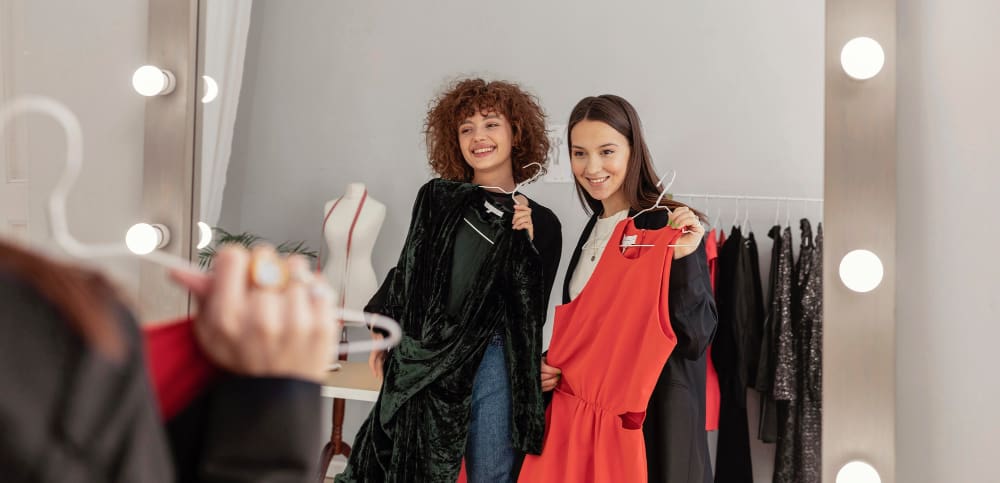
Fashion is not just about following seasonal trends—it is about building a personal style that reflects who you are. For German-speaking audiences, clothing is both an expression of individuality and a sign of cultural awareness, where practicality, elegance, and subtle details often define how style is perceived. To create a look that feels modern yet timeless, it is important to focus on balance, quality, and the right combination of elements. Below are five key tips that will help you craft outfits that are both fashionable and versatile, suitable for daily wear as well as special occasions. By following these principles, you can develop a wardrobe that is stylish, functional, and uniquely yours.
1. Focus on Quality over Quantity
A stylish outfit starts with well-made garments. Rather than filling your wardrobe with dozens of fast-fashion pieces, invest in fewer, higher-quality items that last longer and look more refined. Quality fabrics such as wool, linen, and organic cotton not only feel better but also maintain their shape and color over time. For German consumers, who often value durability and sustainability, this approach aligns perfectly with both lifestyle and environmental values.
Key advantages of choosing quality over quantity include:
- Longer lifespan of garments. Fewer replacements are needed, saving money and resources.
- Better comfort and appearance. Natural fabrics breathe well and look elegant.
- Easier coordination. Fewer, versatile items make mixing and matching effortless.
- Sustainability. Investing in durable clothing reduces waste and supports eco-conscious fashion.
Owning fewer items also makes outfit coordination easier, ensuring that everything in your wardrobe works together seamlessly.
2. Play with Layering for Depth
Layering is one of the simplest yet most effective ways to create an interesting outfit. By combining textures, lengths, and cuts, you can add depth and personality to even the most minimalistic wardrobe. For instance, wearing a structured blazer over a fine turtleneck or styling a dress with a light cardigan instantly adds dimension. To keep layering stylish, remember these rules:
- Mix textures, such as wool with silk or denim with cotton.
- Combine neutral tones with a single accent color.
- Use accessories like scarves or belts to complete the layered look.
Experimentation is key. Layering allows you to express creativity while still looking polished and elegant.
3. Add Statement Pieces for Personality
A truly stylish look often comes down to one standout item that captures attention without overwhelming the entire outfit. This could be a bold pair of shoes, a statement handbag, or a patterned jacket. Even a playful harry potter jumper can become a centerpiece, adding character while staying within a fashionable framework. Statement pieces work best when balanced with neutral basics, allowing them to shine without making the look too chaotic. The idea is to let your outfit tell a story—one that reflects your interests, personality, and sense of fun.
What makes statement pieces so effective is their ability to transform an ordinary look into something memorable. They act as conversation starters, showing confidence and individuality without the need for excessive styling. For German-speaking audiences, where minimalism often dominates everyday fashion, a carefully chosen standout item brings a refreshing twist while maintaining sophistication. Whether it is a brightly colored coat in winter, an artistic necklace for formal settings, or a themed jumper that highlights a personal passion, statement pieces allow you to express yourself in a way that feels both authentic and stylish.
4. Pay Attention to Fit and Proportion
No matter how trendy an item is, it will not look stylish if the fit is wrong. Clothing should enhance your natural shape, offering comfort without appearing too loose or too tight. German fashion sensibility often emphasizes precision and balance, which makes tailoring especially important. Simple adjustments—shortening trousers, tapering a jacket, or choosing the right sleeve length—can elevate an outfit instantly. To achieve harmony, consider proportions: pair oversized tops with slim bottoms or combine wide-leg trousers with a fitted blouse. Getting the balance right creates a silhouette that feels natural and effortlessly stylish.
5. Use Accessories Strategically
Accessories are the finishing touches that can transform an ordinary look into something memorable. From watches and belts to jewelry and bags, the right choice can highlight your personality and enhance your outfit. Accessories should not be added randomly—they should serve a purpose. For example, a leather belt can define the waistline, while a silk scarf can add color and sophistication. Sunglasses, hats, or minimalistic jewelry can also bring elegance to casual outfits. The key is moderation: using too many accessories at once risks overshadowing the outfit itself. Well-chosen details show that you pay attention not only to clothing but also to the overall harmony of your look. In 2025, accessories are no longer afterthoughts—they are deliberate style statements that complete the story your outfit tells.
Building Outfits with Intention
Fashion in 2025 is not about copying trends blindly—it is about creating outfits that combine elegance, functionality, and individuality. By focusing on quality, layering with creativity, adding personal statement pieces, paying attention to fit, and using accessories wisely, anyone can achieve a wardrobe that feels complete and stylish. For German-speaking audiences, where precision, responsibility, and self-expression are equally valued, these tips offer a roadmap to dressing with both confidence and authenticity. A truly stylish outfit tells your story—clear, confident, and uniquely your own.
FAQ
What is the most critical step in creating a stylish outfit?
Investing in quality pieces is the foundation. Good fabrics and well-made clothing ensure that your wardrobe looks elegant and lasts longer, saving money in the long run. High-quality basics such as a classic blazer, tailored trousers, or a versatile coat create a strong foundation for any outfit. Once these essentials are in place, you can add layers, accessories, and statement items to keep your look dynamic without losing consistency.
Can layering work in both casual and formal looks?
Layering adapts easily to different styles. A blazer over a turtleneck feels professional, while a hoodie under a coat creates a modern casual look. The key lies in the balance of proportions and textures: lighter fabrics for layering in formal settings, heavier fabrics for comfort in casual wear. German-speaking consumers especially value this approach because it allows them to transition easily from office to leisure without changing their entire outfit.
How do I choose the right statement piece?
Pick one item that represents your personality, such as bold shoes, a colorful jacket, or even a themed jumper. Keep the rest of your outfit neutral to highlight the statement piece. The best statement items are those that tell a personal story—whether it’s linked to your interests, like a harry potter jumper, or to your lifestyle, such as a distinctive designer bag. When chosen carefully, a statement piece becomes more than just fashion—it becomes part of your identity.
Why is fit so crucial in style?
Fit defines how clothing interacts with your body shape. Properly fitted garments enhance confidence, look more professional, and create a cleaner silhouette, which is especially valued in German fashion culture. Ill-fitting clothes, even if they are expensive or trendy, can make an outfit look careless. Tailoring is therefore not a luxury but a necessity, helping to adapt mass-produced clothing to your unique proportions and ensuring maximum comfort.
Are accessories really necessary?
Accessories are not mandatory, but they can elevate any outfit when used correctly. A simple belt, a watch, or a scarf can add polish and complete the look without requiring new clothes. Accessories also provide a cost-effective way to update your wardrobe with seasonal trends without buying an entirely new outfit. For German-speaking fashion lovers, accessories often serve as subtle expressions of taste and refinement, bridging practicality with creativity.
How do I balance fashion trends with personal style?
Incorporate trends selectively. Choose elements that complement your existing wardrobe and personality rather than following every trend. This ensures your style remains authentic and timeless. For example, you can integrate trending colors or accessories while still relying on your core basics. Balancing fashion and individuality allows you to stay modern without losing your unique identity.
Is sustainable fashion a part of being stylish?
Sustainability is increasingly connected to style. Choosing eco-friendly fabrics and long-lasting clothing not only benefits the environment but also reflects modern values of responsibility and awareness. Many consumers now see sustainability as a form of elegance—showing that you care about quality and ethics as much as aesthetics. In 2025, a stylish wardrobe is not just about how you look but also about the statement you make regarding conscious living.
