

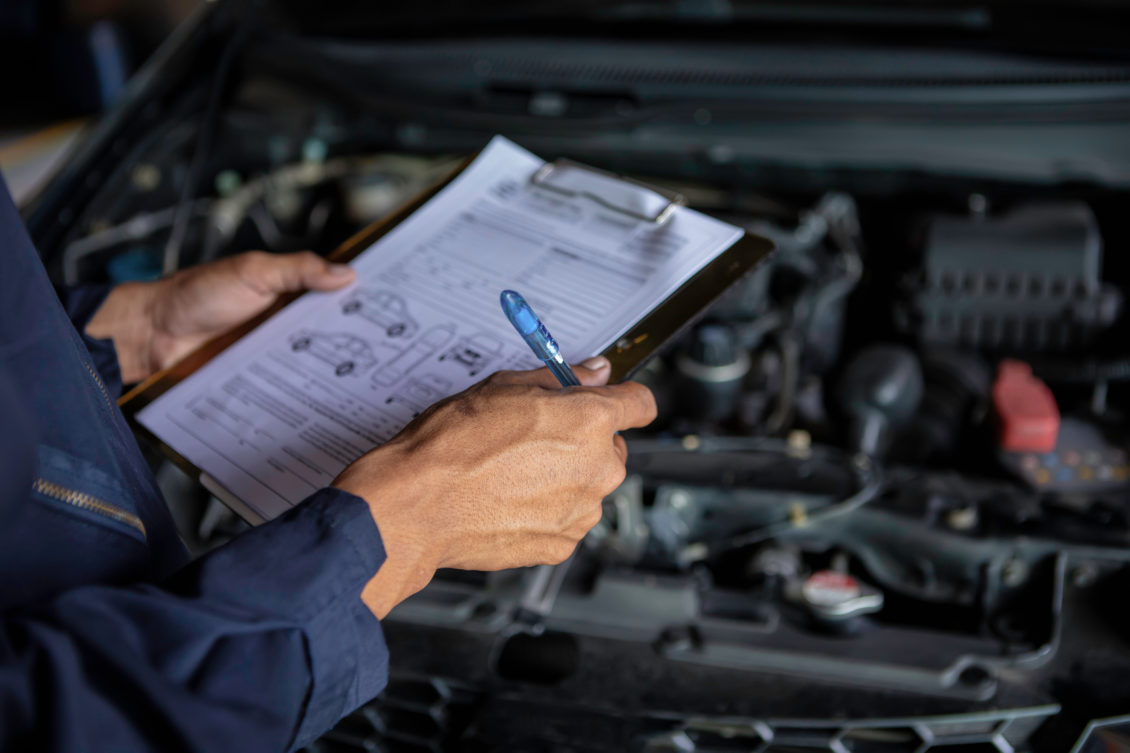
Staying safe and legal on the road involves more than just getting behind the wheel. In the UK, vehicle checks are an essential responsibility for every driver, whether you’re heading off on a long trip or simply commuting to work. Skipping important checks can result in fines, penalty points, or, worse, risk to your safety and the safety of others. For those wanting a quick and easy way to make sure their vehicle’s record is up to date, services such as CarCheck UK can help verify key information with a single search.
The importance of regular vehicle checks
Carrying out regular checks on your vehicle helps ensure that it remains roadworthy and compliant with UK law. Basic checks, if performed consistently, can help prevent unexpected breakdowns and improve your vehicle’s lifespan. These routines are particularly vital before long trips or changes in weather conditions as cold, wet, or icy weather can affect your car’s performance. Ensuring your vehicle is in good working order also limits the risk of accidents, keeping you and others safe on the road.
Checking your vehicle isn’t just about ticking boxes for an MOT. There may be issues that develop between annual inspections, so a quick pre-drive check can save you money and time in the long run. Frequent issues like tyre wear, low oil, or faulty lights can go unnoticed until they become serious problems. That’s why adding a set of simple safety checks to your routine is always recommended.
Essential checks every driver should make
One of the most important tasks is to inspect your tires regularly. This means looking for sufficient tread depth, checking for cuts or bulges, and ensuring all tyres are inflated to the manufacturer’s recommended pressure. Tyres below the legal tread limit of 1.6mm are not only unsafe but can also result in hefty penalties if stopped by the authorities. Use a tread depth gauge and refer to your manual for the correct pressure settings before every long drive.
Lights and signals should always be in full working order. Before setting off, check all front and rear lights, brake lights, indicators, and number plate lights. Replacing bulbs is inexpensive and helps prevent accidents or being pulled over. Mirrors should be adjusted for maximum visibility, and windows must be clear for the best possible view of your surroundings.
Fluid levels are another vital part of vehicle checks. Check your oil using the dipstick, ensure your coolant is topped up, and make sure there’s enough screen wash for clear visibility. Don’t forget to check your brake fluid and power steering levels as well. Neglecting fluids can cause significant damage and may leave you stranded at the roadside.
Legal checks and documentation
Keeping your documents up to date is as important as physical checks. Every UK vehicle must have valid road tax, insurance, and an MOT if it’s over three years old. It’s a good idea to set reminders for renewal dates or use digital services that alert you automatically. Drivers should keep their driving licence and any necessary documentation, like insurance details, easily accessible in case they’re required during a traffic stop or accident.
Checking your vehicle’s logbook (V5C) is also essential, especially if you’ve recently purchased a used car. Ensure all details are correct and up to date. Any discrepancies or missing information could delay your ability to sell the vehicle in the future, or even leave you open to legal issues. To verify a vehicle’s record for past MOTs, accident damage, or outstanding finance, you can use reliable resources to conduct an online history check.
Emissions rules and Low Emission Zones (LEZ) are increasingly affecting UK drivers, especially in urban areas. Make sure your vehicle meets the local requirements to avoid unexpected fines. Checking your car’s Euro emissions status is straightforward and can prevent costly mistakes if driving into a Clean Air or Ultra Low Emission Zone.
Seasonal and situational vehicle checks
Throughout the year, changing weather affects how your car behaves. In winter, it’s important to check your battery, as cold temperatures can reduce battery performance. Make sure your antifreeze is effective and carry essential items like de-icer, a scraper, and torches. In summer, overheating can become an issue, so ensure your coolant level is correct and your air conditioning works well for driving comfort.
If you’re planning a long journey, take extra time to examine your spare wheel, locking wheel nut, and breakdown kit. A simple puncture can become a major problem if you’re not prepared. Examine your wiper blades regularly in all seasons and replace them if they leave streaks or don’t clear the windscreen effectively. Also, carry reflective vests and warning triangles, especially if you travel abroad, as some countries require them by law.
Finally, pay attention to recalls and manufacturer updates. Registering your car with the manufacturer means you’ll be informed if a recall affects your model. Ignoring recalls can be dangerous and could also impact any future claims if a fault is found during an accident investigation.
