

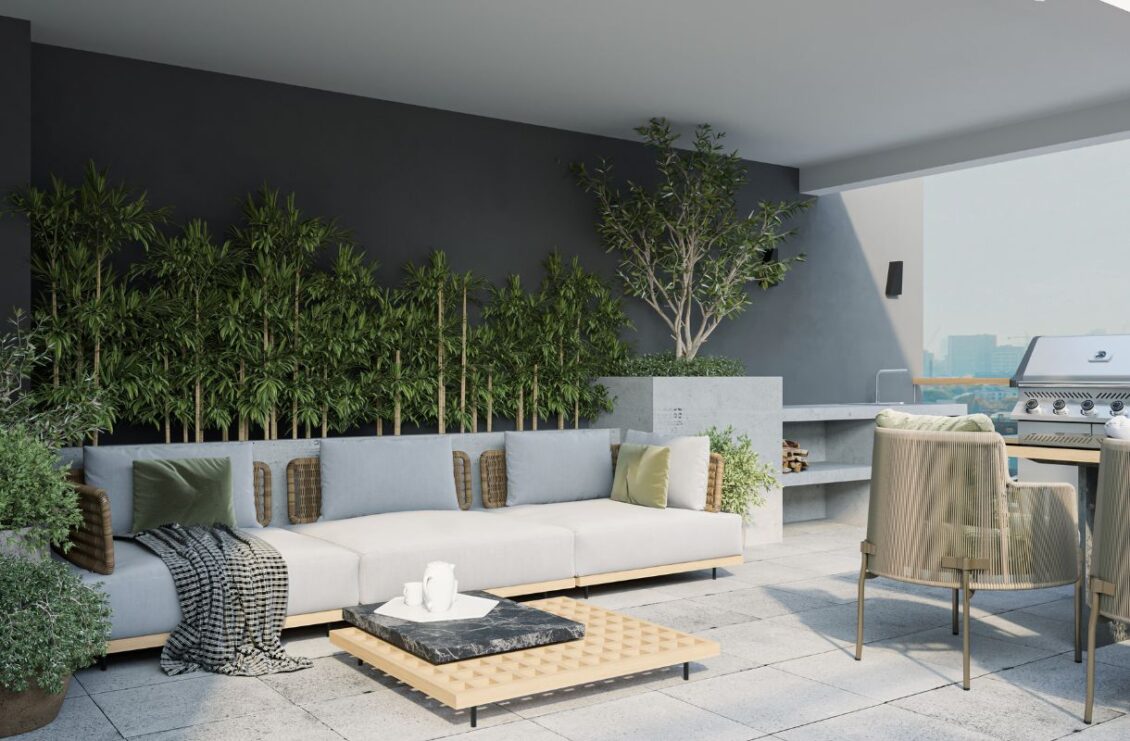
Sustainable design allows you to create spaces that are both beautiful and environmentally responsible. By using renewable materials, improving energy efficiency, and integrating eco-friendly technologies, you can reduce your carbon footprint while enhancing comfort and well-being. It’s about harmonising modern living with nature to build healthier, more inspiring environments.
Core Principles of Green Architecture
Green architecture emphasises minimising environmental impact and maximising energy efficiency. It involves careful material selection to reduce carbon footprint and promote sustainability.
Environmental Impact and Sustainability
You play a crucial role in reducing the environmental impact of buildings by prioritising renewable resources and sustainable practices. Green architecture focuses on reducing pollution, minimising waste, and conserving water. Buildings are designed to coexist with their surroundings through rooftop gardens, rainwater systems, and green spaces that lower urban heat and support ecosystems, creating healthier communities.
Energy Efficiency in Building Design
Energy efficiency is central to sustainable design, reducing energy use and reliance on non-renewable sources through passive solar layouts, natural lighting, and renewable systems such as solar panels and geothermal energy. This reduces energy costs while decreasing carbon emissions. Intelligent building designs significantly contribute to more sustainable living and working spaces.
Wise Material Selection and Sourcing
Wise material selection minimises a building’s ecological footprint. Choose responsibly sourced, renewable, or recycled materials such as bamboo, reclaimed wood, and recycled metal. Prefabrication and modular construction also reduce waste and encourage innovation. These not only ensure sustainability but also promote innovation in design and construction methods.
Designing Eco-Friendly Interiors
Creating eco-friendly interiors involves selecting materials that are safe for both the environment and human health, optimising the use of natural resources like light and air, and incorporating methods for conserving water. Each step plays a vital role in reducing the ecological footprint of indoor spaces.
Using Non-Toxic and Recycled Materials
Non-toxic, recycled materials are key to sustainable design. Furniture made from reclaimed wood, recycled metal, or repurposed glass reduces demand for new resources. Non-toxic paints and finishes also maintain indoor air quality by limiting volatile organic compounds (VOCs). Certifications such as Greenguard or Green Seal indicate safer options.
Natural fibres like organic cotton or bamboo in fabrics offer both comfort and sustainability. By focusing on local materials, you also reduce the carbon footprint from transportation and support local economies.
Maximising Natural Lighting and Ventilation
Harnessing natural light not only saves energy but also enhances well-being. Position furniture to make the most of daylight and use mirrors strategically to reflect light deeper into rooms.
Consider large, unobstructed windows for effective sunlight penetration. Skylights might also be a good option for spaces where windows are limited. Layered window treatments can balance light and privacy needs.
Natural ventilation is crucial for maintaining air quality. Design layouts that encourage airflow through open windows and vents. Ceiling fans are a low-energy way to aid air circulation, providing comfort without reliance on HVAC systems.
Water Conservation Techniques for Interiors
Inside the home, every drop counts. Low-flow fixtures, dual-flush toilets, and greywater recycling reduce water use without sacrificing performance. Smart irrigation systems also prevent overwatering in indoor gardens.
Consider indoor plants that thrive with minimal water, such as succulents or snake plants. These not only require less maintenance but also contribute to better air quality and a calming atmosphere.
Visualising Sustainable Spaces
When you explore sustainable spaces, you’ll encounter digital tools that bring eco-friendly designs to life, colour schemes inspired by nature, and the harmony between function and aesthetics. These elements combine to create environments that respect our planet while providing beauty and utility.
Digital Tools for Eco-Conscious Visualisation
You can leverage a variety of digital tools designed for sustainability enthusiasts. Building Information Modelling (BIM) software helps integrate green building components, ensuring energy efficiency from the ground up. 3D rendering software enables you to experiment with different eco-friendly materials and visualise their impact on design.
Virtual reality (VR) lets you visualise layouts and the impact of sustainable choices before implementation. Simulation tools measure energy use and lighting for better planning. These technologies not only enhance planning but also provide a tangible way to envision the potential outcomes of your design choices.
Colour, Texture, and Biophilic Design
The colour palette you choose can significantly affect the feel of a space. You might opt for earthy tones like greens, browns, and tans that reflect natural landscapes, promoting tranquillity and balance.
Textures such as reclaimed wood, stone, and recycled materials add depth and offer an eco-friendly alternative to conventional options. Soft furnishings like popular rugs for colder months can also enhance warmth and comfort, introducing natural fibres and sustainable materials that align with eco-friendly design principles.
Biophilic design elements integrate nature into interiors, whether through living walls or indoor plants. This connection to nature not only improves air quality but also boosts well-being and comfort. As you make these choices, remember that sustainable design isn’t just about the materials but also about how they make people feel, providing a nurturing environment indoors.
Harmonising Function and Aesthetics
In sustainable spaces, you find a delicate balance between utility and beauty. Every element, whether it’s solar panels on a roof or energy-efficient windows, serves a dual purpose. These components not only function to conserve energy, but they also add visual interest and modernity to the design.
Smart furniture made from sustainable materials maximises space and minimises waste. Sustainable solutions can blend seamlessly into your vision, proving that eco-conscious design can be both inspiring and effective.
Innovative Trends and Real-World Inspirations
Incorporating cutting-edge techniques and sustainable building practices is essential for fostering a greener future. Green roofs enhance urban biodiversity and improve air quality. Passive house principles focus on reducing energy consumption through design. Various notable projects around the world showcase these practices in action.
Green Roofs and Living Walls
Green roofs and living walls bring nature into urban settings, creating aesthetic and functional benefits. Green roofs, covered with vegetation, aid in reducing urban heat and managing stormwater. They provide insulation, lowering energy costs by maintaining indoor temperatures. Additionally, they improve air quality and create habitats for urban wildlife.
Living walls, vertical gardens installed on building exteriors, offer similar perks. They boost insulation and act as natural air filters. These living ecosystems foster biodiversity and contribute to a building’s aesthetics. Incorporating these features can transform urban spaces, making them healthier and more sustainable.
Passive House Principles in Action
Passive house principles prioritise energy efficiency and comfort through smart design. Key strategies include super-insulation, airtightness, and heat recovery ventilation systems. Buildings must minimise energy use for heating and cooling while maintaining steady indoor temperatures.
These principles emphasise utilising natural light and ensuring high indoor air quality. Passive houses incorporate high-performance windows and orientation strategies to maximise natural resources. The result is less reliance on artificial heating and cooling. If you’re working with an architect in Oxford, these techniques can be tailored to the region’s climate and building styles, helping you create energy-efficient spaces that reflect both sustainability and local character. By adhering to these principles, you can reduce energy bills and promote sustainable living.
Notable Sustainable Architecture Projects
Examples of sustainable architecture illustrate innovative practices in real-world settings. The Bosco Verticale in Milan champions urban afforestation with its tree-lined balconies. These towers integrate greenery into high-rise living, improving air quality and providing natural habitats.
The Bullitt Centre in Seattle demonstrates net-zero energy design with its solar array and rainwater collection system. Known as the “greenest commercial building,” it sets a benchmark for future developments. The Edge in Amsterdam focuses on environmental efficiency, using sensor data to optimise energy use.
These projects inspire and prove that architecture can be both innovative and eco-friendly, encouraging you to explore sustainable designs in your endeavours.
Conclusion
Sustainable design demonstrates that environmental responsibility and aesthetic excellence can coexist effortlessly. By embracing green architecture, mindful material choices, and energy-efficient innovations, you can create spaces that promote well-being while reducing environmental impact. Every sustainable decision, no matter how small, contributes to a healthier planet and a more thoughtful way of living.
