

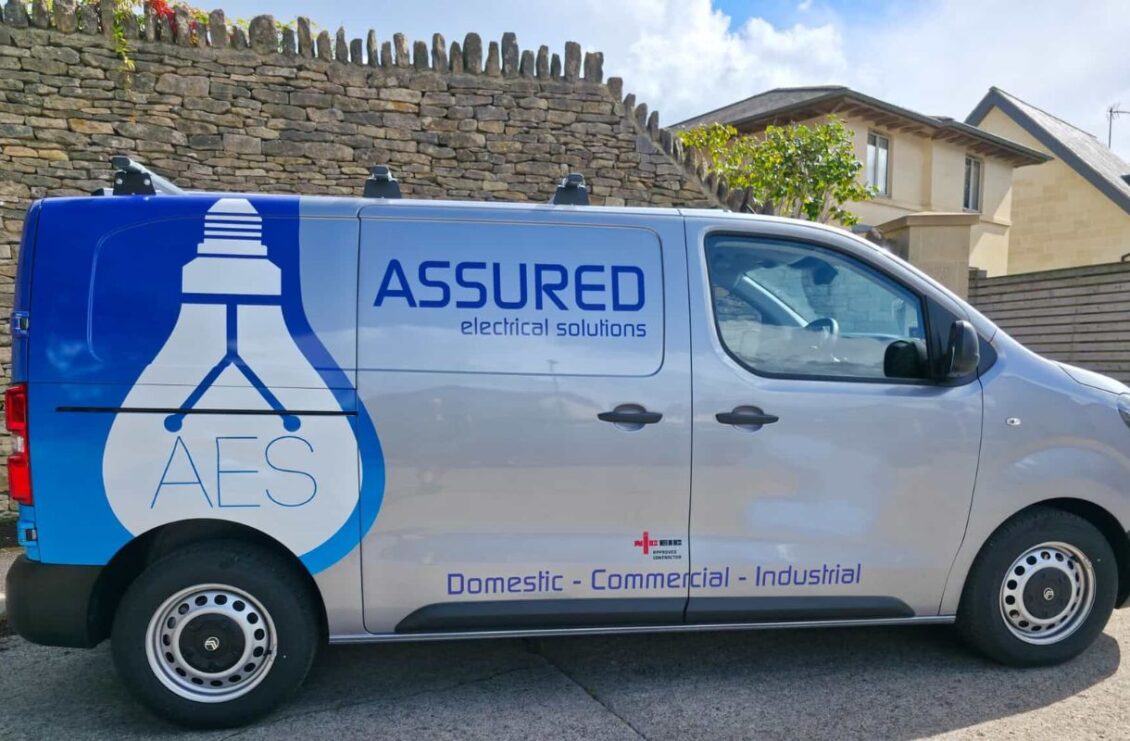
Emergency electricians are called out across Cardiff on a daily basis, often to deal with faults that homeowners did not expect to become urgent. While storms and power outages tend to dominate attention, many electrical emergencies begin with everyday problems inside the home.
Across the city, electrical faults remain one of the most common reasons for emergency call-outs in residential properties. In many cases, the warning signs were present long before the situation escalated.
Ageing electrics across parts of the city
A significant proportion of Cardiff’s housing stock was built before modern electrical standards were introduced. Even where homes have been updated visually, electrical systems are often altered gradually rather than replaced entirely.
Over time, wiring can deteriorate. Insulation becomes brittle, connections loosen and components wear down. These changes are rarely obvious during everyday use, which is why faults often appear suddenly rather than developing in a clearly visible way.
For many emergency call-outs, the underlying issue has been present for years before finally reaching a tipping point.
Increased electrical demand in modern households
The way homes use electricity has changed considerably. Home working, electric showers, induction hobs, additional heating systems and EV chargers all place greater demand on electrical systems than they were originally designed to handle.
In some properties, these additions have been made without reassessing overall electrical capacity. When systems operate close to their limits for long periods, faults become more likely, particularly during colder months when usage increases.
This combination of ageing infrastructure and rising demand is a common factor behind sudden electrical failures.
Common electrical faults seen during emergency call-outs
Emergency electricians responding to call-outs across Cardiff report that many urgent faults follow a similar pattern. Rather than a single component failing without warning, the emergency is often the result of longer-term stress on an electrical system.
According to local, Cardiff-based emergency contractors Assured Electricians Cardiff, a large proportion of urgent call-outs involve recurring issues that have gone unchecked, particularly in older or extended homes.
Some of the most common electrical faults the company identifies during emergency visits include:
- Repeatedly tripping circuits, often linked to overloaded systems or deteriorating wiring
- Loose connections within sockets, switches or fuse boards, which can overheat over time
- Outdated fuse boards that lack modern safety protection
- Faulty sockets or switches that feel warm to the touch or show visible signs of damage
- Water ingress affecting electrical fittings, especially in kitchens, bathrooms and outdoor areas
- Problems caused by previous DIY work or undocumented alterations
Individually, these faults may appear minor. However, left unresolved, they can develop into situations that require urgent intervention.
When minor faults turn into emergencies
Many homeowners live with electrical symptoms for months, or even years, without realising the risk. Flickering lights, occasional power loss or a circuit that trips intermittently are often treated as inconveniences rather than warning signs.
Over time, however, these symptoms can indicate deeper problems such as failing connections or overloaded circuits. If ignored, they can lead to sudden loss of power, damage to appliances, or in more serious cases, an increased fire risk.
Guidance from Electrical Safety First highlights that a significant number of electrical fires are linked to faults that existed well before an emergency occurred.
Rental properties and electrical safety
Electrical emergencies are not limited to owner-occupied homes. With a large private rental sector in Cardiff, electrical safety in rented properties remains an ongoing concern.
Formal inspections are intended to identify problems that are not visible during everyday use. Industry bodies such as NICEIC continue to stress the importance of regular testing, particularly in properties that have been altered or extended over time.
Where inspections are delayed or overlooked, faults are more likely to surface unexpectedly and require urgent attention.
Knowing when an issue becomes unsafe
Not every electrical fault requires an emergency response, but some warning signs should never be ignored. Burning smells, buzzing sounds from fuse boards, visible damage to sockets or repeated power loss can all indicate a serious problem.
In these situations, isolating the affected circuit and seeking professional advice is usually the safest course of action. Attempting to work around the issue can increase the risk of further damage or injury.
Reducing the risk of emergency call-outs
Many electrical emergencies are preventable. Periodic inspections, particularly in older properties or homes that have been renovated or extended, can identify issues before they escalate.
While it is easy to assume that working electrics are safe electrics, emergency call-outs often show otherwise. Understanding the condition of the system behind the walls is just as important as what is visible on the surface.
