

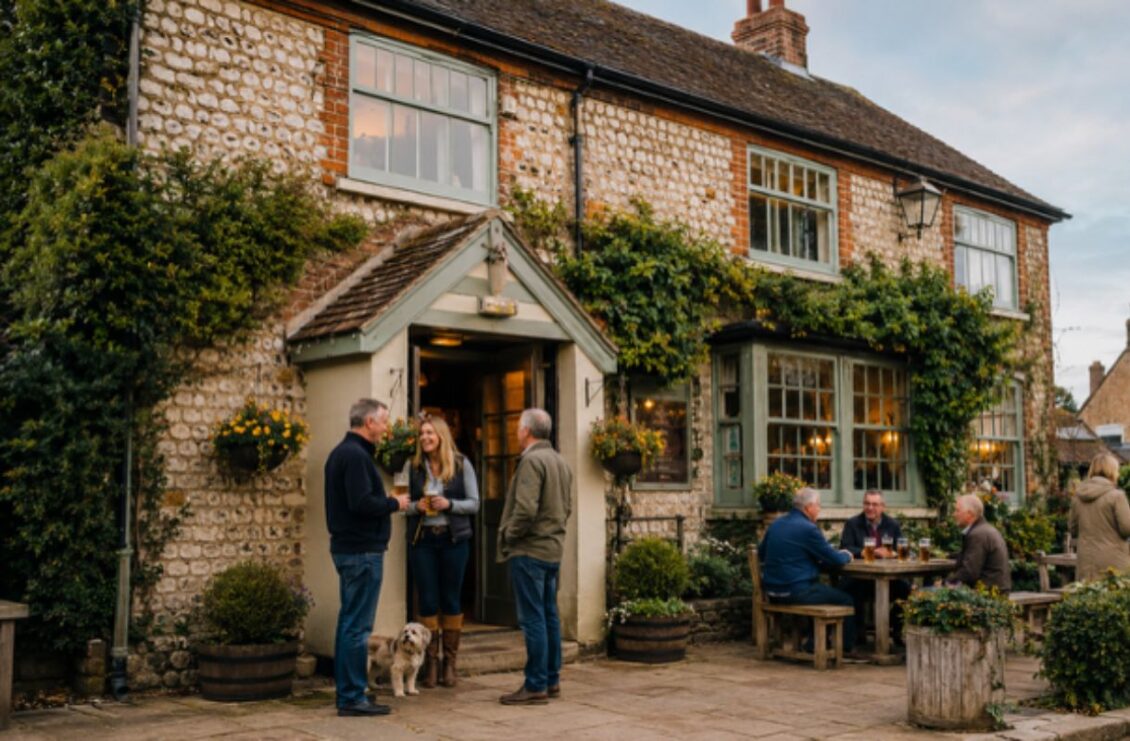
For anyone thinking seriously about running a pub, the appeal of Admiral Taverns is easy to understand. In the UK pub trade, backing matters, and the strongest operators are often the ones who combine local instinct with the right commercial support behind them.
A Pub Is More Than a Building
People often talk about pubs in simple property terms. Square footage. Rent. Location. Passing trade. Those things matter, of course, but they rarely tell the full story.
A good pub is part of the rhythm of a place. It might be the room where local football teams meet after a match, where charity raffles are held, where families gather on a Sunday, or where regulars want to know that the same familiar face will be behind the bar. In towns, villages and suburbs across the UK, that role still carries real weight.
That is why community-focused pubs continue to stand apart. They are not just venues selling drinks. They are businesses shaped by routine, trust and local relevance. An operator who understands that usually has a better chance of building steady trade than one who sees the pub only as a generic hospitality unit.
The Operator Still Makes The Difference
Even with a strong pub company behind the scenes, success is rarely automatic. The publican still sets the tone.
A well-run pub operator notices the detail that customers remember. They know which cask line needs attention, which local group may book the back room on a Tuesday, and which offer brings in early evening trade without cheapening the business. They understand that consistency is often more valuable than noise. One good quiz night every week will usually outperform a scattergun calendar of events that has no clear audience.
This matters even more in the current UK hospitality climate, where costs remain tight and customers are more selective with their spending. People still go to the pub, but they expect a reason. Warm service, a clear identity, sensible pricing and a place that feels rooted in its area all count.
Why The Business Model Matters
Not every pub opportunity suits every person. That is one of the main reasons people need to look beyond the headline listing and ask better questions.
What kind of agreement is on offer. Is the pub wet-led. How much existing trade is there. Is there room to grow food sales, events, sport, live music, or daytime use. Does the pub already have a local following, or will you be rebuilding from a weaker base. Those are practical questions, not background detail.
A good operator is not only looking for a pub they like. They are looking for a pub they can run well. A suburban community local may suit somebody with strong relationship-building skills and an eye for dependable weekly trade. Another person may be better suited to a larger site with stronger weekend footfall and more operational complexity.
Support Can Change The Shape Of An Opportunity
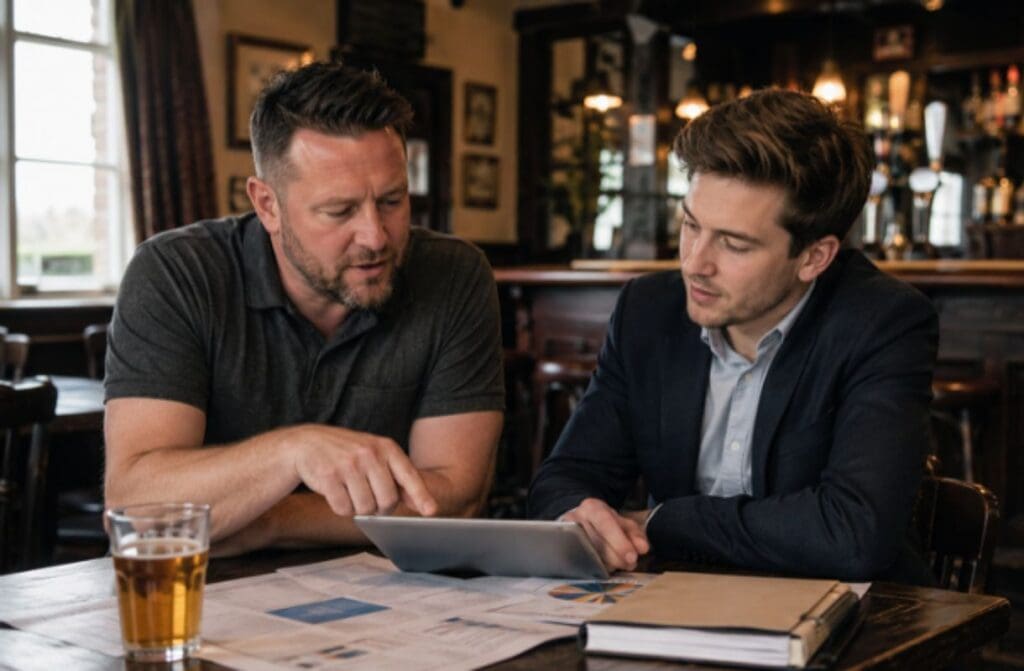
This is where the right pub company can make a meaningful difference. Admiral describes itself as the UK’s leading community pub group, with more than 1,350 predominantly wet-led community pubs, and the business places a clear emphasis on operational, marketing, property and training support for licensees.
That matters because new and experienced operators alike often need more than a set of keys. They need guidance on launch planning, recruitment, compliance, marketing and day-to-day trading decisions. Even seasoned publicans benefit from having that support structure in place, especially when margins are under pressure.
It also helps bring some realism to the process. A pub should never be sold as an easy win. It is hard work. Long hours are common, and strong community pubs are usually built through consistency rather than quick fixes. But with the right fit and the right backing, they can still become sustainable, rewarding businesses.
Choosing The Right Opportunity
The most sensible approach is to match the opportunity to the operator, not the other way round.
That means looking carefully at the pub’s location, customer base, agreement type and existing potential, then being honest about your own strengths. Some people are natural hosts. Some are commercially sharp planners. Some are brilliant at creating a local following from scratch. The strongest pub businesses often come from combining those personal strengths with a pub that genuinely suits them.
That is the real attraction of the sector. For the right person, running a community pub is still one of the few ways to build a business that feels both commercial and personal. Done properly, it is not just about taking on premises. It is about becoming part of the story of a place.
