

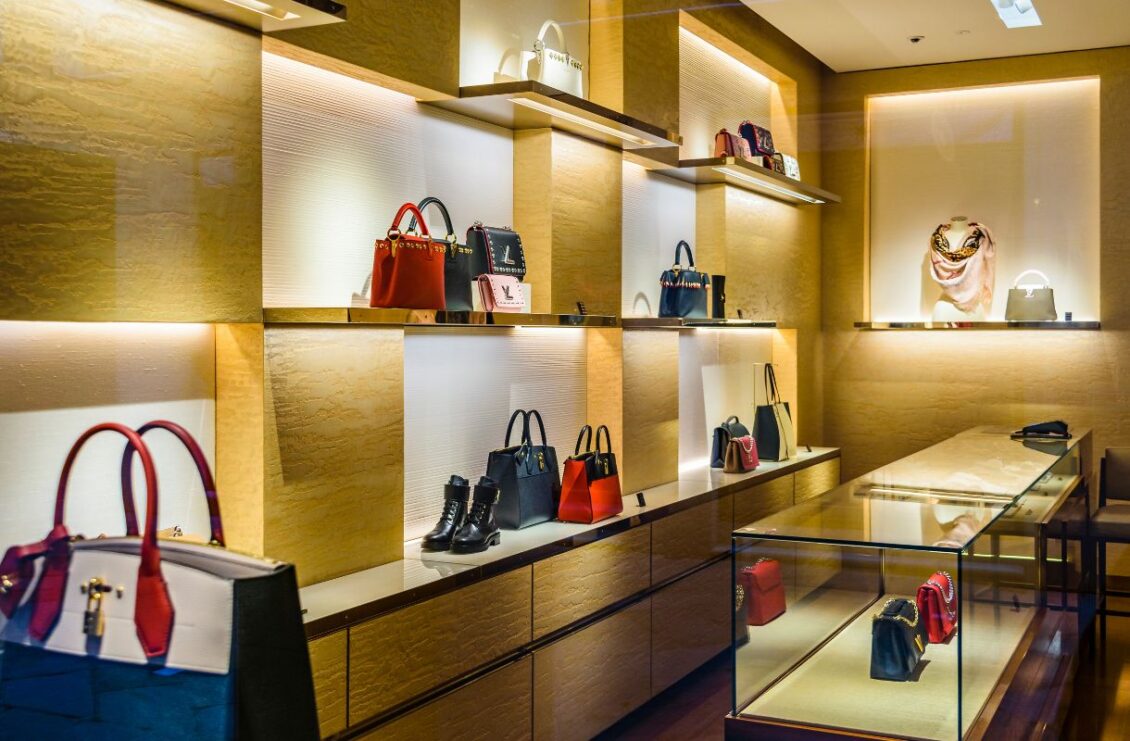
Rebranding to enter the luxury sector is a challenging but high-reward strategic shift. It involves fundamentally changing the customer’s perception of your product, moving from a focus on value to a focus on desire, exclusivity, and quality. This post will show you the four key steps to take to elevate your brand and price point. So, if you are looking to enter the luxury sector, be sure to keep reading.
1. Redefine Your Brand Narrative with Scarcity
Luxury is defined by exclusivity and controlled distribution, not volume sales. Therefore, your entire brand story must reflect this shift. Conduct a thorough scarcity audit to identify opportunities to remove mass-market appeal, including the use of language like “discount” and “buy-one-get-one-free”.
Instead, look to limit availability, such as fewer distribution points, smaller production runs, and limited edition releases. The new narrative should emphasise heritage, craftsmanship, or innovation – you are selling a story, a membership, and a limited object, not just a commodity. This justifies the premium price point and creates genuine desirability.
2. Elevate Product Quality & Packaging Design
The physical quality of your product and its presentation must immediately signal its premium status – there is no tolerance for compromise in the luxury sector. Upgrade your materials, testing, and finishing processes with a focus on tangible quality (e.g., using heavier paper stock, specialised fabrics, or unique sustainable components). Design a distinct, sophisticated unboxing experience that turns the act of purchase into a ritual. The packaging and physical product should be instantly recognisable and feel inherently valuable, validating the high price before the customer even uses the item.
3. Engage Specialised External Experts and Firms
Successfully navigating the high-stakes world of luxury requires legal and branding precision that often exceeds internal capabilities. Secure a specialised team that understands the luxury market. This includes hiring a luxury brand strategy consultant to define your target customer and pricing model.
Crucially, you should also engage intellectual property experts (like an international law firm) to ensure your new brand identity, name, logo, and design patents are rigorously trademarked and legally protected across all target markets before your launch. External experts prevent costly missteps in a sector where brand integrity and legal exclusivity are paramount.
4. Create a Personalised and Immersive Experience
Luxury is as much about how the customer feels during the transaction as it is about the product itself – the experience must be flawless. Elevate every touchpoint: customer service, website design, and physical retail environment. Implement personalised outreach, rapid issue resolution, and offer bespoke options (customisation, monogramming). Ensure the service reflects the product’s exclusivity. The purchasing journey should feel curated and intentional, turning a mere transaction into a memorable, high-touch interaction that warrants the premium price tag.
By following these four steps, you can enter the luxury sector with confidence and elevate your brand to new heights.
