

The UK is perfectly built for cyclists. Not only is it compact enough that you’ll never truly feel lost but there’s a deceptive amount of diversity to its landscapes. We’ve got everything from towering hills and valleys to gentle coastal trails. As such, cycling in the UK has seen a rise in popularity in recent years, particularly after the pandemic, with all of us so eager to get out and explore.
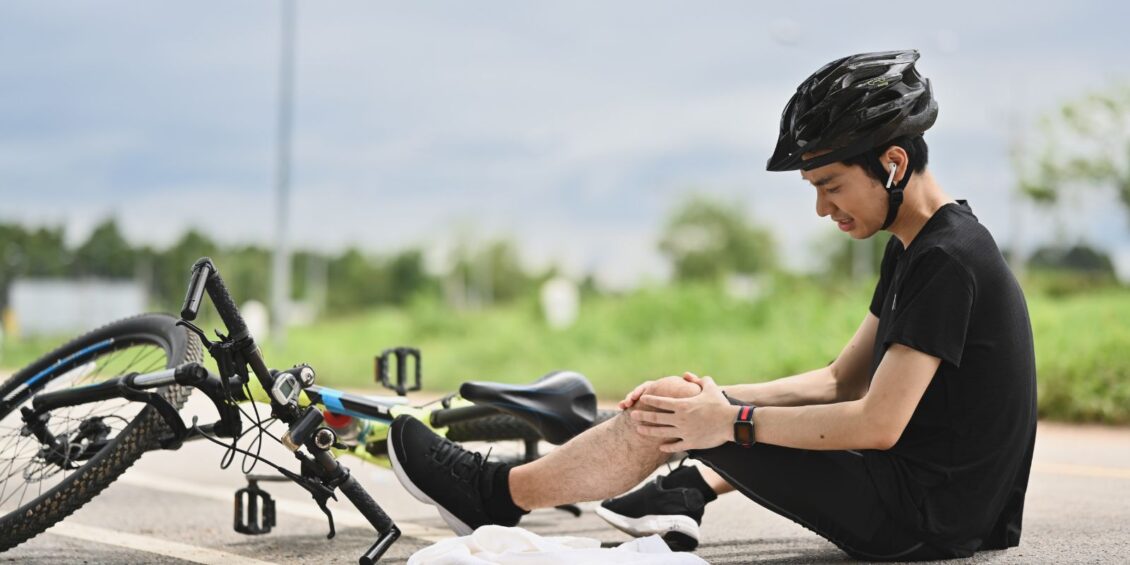
However, with more bikes on the road, accidents remain a serious concern. Thousands of cyclists are injured or killed on UK roads every year and while not every cycling road traffic accident can be prevented, many are avoidable as long as the right preventative measures are taken.
Intersections and Roundabouts: Navigating Complex Junctions
Most cycling accidents tend to occur at something the UK is jam packed with—intersections and roundabouts. These are areas where visibility issues and driver inattention can have serious consequences. Drivers often fail to spot cyclists, fatally misjudging a cyclist’s speed or path, particularly when turning.
Cyclists can reduce their risk by adopting clear and predictable road behaviour. Always position yourself where you’re visible, typically in the centre of your lane when approaching a junction. Make eye contact with drivers whenever possible and use clear hand signals to indicate your intentions.
It’s also important to know the rules set out in the Highway Code, particularly those relating to junctions and roundabouts. Rule 73, for instance, advises cyclists to give plenty of notice when changing lanes or direction and to be aware of vehicles crossing their path.
“Dooring” and Close Passes: The Perils of Urban Cycling
“Dooring” happens when a driver or passenger opens a car door without checking, leaving cyclists with no time to react. Close passes occur when a vehicle overtakes a cyclist too closely, often at speed, which can force the rider off balance or into dangerous situations.
Cyclists can manage these risks by maintaining a safe distance from parked vehicles—at least a door’s width. Riding further into the lane, known as the “primary position,” can also help discourage risky overtake attempts, with the assertive positioning placing the cyclist in a clearer, more visible spot.
Of course, wearing high-visibility clothing and using lights, even in daylight, can also increase your presence on the road. It might not be fashionable but it is potentially life saving!
Road Surface Hazards and Poor Maintenance: Staying Alert to Dangers
Potholes, uneven surfaces, drain covers, and debris are constant blights to cyclists. Hitting one of these at speed can lead to serious crashes, particularly in wet or low-light conditions.
To stay safe, cyclists should constantly scan the road ahead, allowing time to react to hazards. Maintain a relaxed but firm grip on the handlebars and keep your weight balanced to handle unexpected bumps. Where possible, avoid riding too close to the kerb, as this often puts you in the worst-maintained part of the road.
Of course, regular bike maintenance also plays a key role. Well-inflated tyres, responsive brakes, and a properly aligned frame help you stay in control, even when conditions are less than ideal. Reporting hazardous road surfaces to your local council can help prevent accidents for yourself and other road users.
