

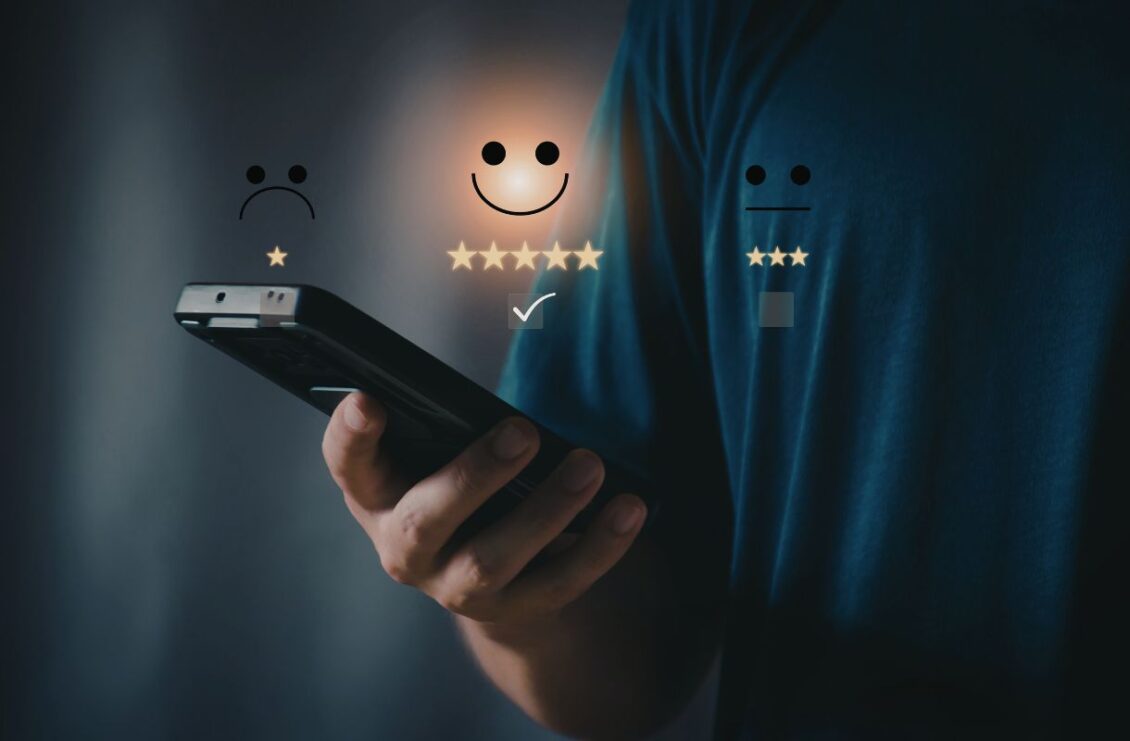
In the digital age, decisions that once relied on friends, family, or personal experience are now increasingly shaped by strangers on the internet. Whether choosing a restaurant, booking a hotel, or buying a product, people often scroll through ratings and comments before listening to advice from someone they know. This shift in trust is not accidental; much like evaluating platforms such as national bet casino, people feel more confident when they can access multiple opinions, patterns, and experiences rather than relying on a single voice. Understanding why online reviews carry so much influence reveals deeper insights into human psychology and modern digital culture.
The Psychology Behind Trusting Online Reviews
At the core of our trust in online reviews lies the concept of social proof. Humans naturally look to others for guidance, especially in uncertain situations, and online reviews provide a visible record of collective experience.
The power of numbers and consensus
When hundreds or thousands of people share similar opinions, the information feels more reliable than one individual’s recommendation. Even if we do not know the reviewers personally, the sheer volume creates a sense of objectivity. Our brains interpret consensus as credibility, assuming that so many people cannot all be wrong at the same time.
Anonymity and Perceived Honesty
One reason online reviews feel trustworthy is the perceived lack of personal bias. Friends and family may soften criticism or exaggerate praise based on emotional connections, whereas anonymous reviewers appear to have less incentive to protect feelings or maintain relationships.
Strangers feel more neutral
Because reviewers often have nothing to gain personally, their opinions can feel more honest. This perceived neutrality leads people to believe that online reviews reflect real experiences rather than filtered or polite feedback, even though this assumption is not always accurate.
Convenience and Instant Access to Opinions
Another factor driving trust in online reviews is convenience. Accessing opinions online requires far less effort than seeking advice from others in real life.
Information at the moment of decision
Online reviews are available exactly when decisions are being made. Standing in a store or browsing late at night, people can instantly read detailed experiences without waiting to consult someone they trust. This immediacy strengthens reliance on reviews and reduces the role of real-time human interaction.
Detailed Experiences Feel More Authentic
Online reviews often include specific details about products or services that make them feel tangible and authentic.
Stories that replace personal experience
Descriptions of real usage, photos, pros and cons, and comparisons help readers imagine themselves in the same situation. These narratives simulate personal experience, making reviews feel more convincing than general advice such as “I liked it” or “It was fine.”
The Illusion of Collective Wisdom
Online reviews create the impression that decisions are based on collective intelligence rather than individual opinion.
Crowd wisdom versus individual advice
People tend to believe that aggregated opinions cancel out extremes and reveal the “true” quality of something. This belief leads to greater trust in average ratings and common themes than in a single recommendation, even from someone known and trusted.
Emotional Distance and Reduced Social Pressure
Listening to advice from people we know can involve emotional pressure. Disagreeing with friends or family may feel uncomfortable, while ignoring their advice can create guilt.
Freedom to choose without judgment
Online reviews remove this social burden. Users can read, compare, and decide privately without worrying about disappointing someone. This emotional distance makes online information easier to accept and act upon.
The Role of Algorithms and Presentation
Modern platforms are designed to highlight reviews in ways that reinforce trust.
Ratings, filters, and visual cues
Star ratings, verified purchase badges, and sorting options give structure to information and signal reliability. These visual elements simplify complex opinions into digestible formats, making decisions feel more rational and informed than emotional or subjective advice.
When Trust in Reviews Goes Too Far
Despite their influence, online reviews are not flawless sources of truth.
Bias, manipulation, and fake reviews
Some reviews are exaggerated, selectively written, or even fabricated. Algorithms may also prioritize extreme opinions, creating distorted impressions. Overreliance on reviews can lead people to ignore valuable personal insights or context that only real conversations can provide.
Why Personal Advice Feels Less Reliable Today
The decline in trust toward personal advice is not necessarily because people are less trustworthy, but because modern life has changed how information is valued.
Differences in taste and experience
People recognize that friends and family may have different preferences, budgets, or expectations. Online reviews allow users to find opinions from people with similar needs, making the information feel more relevant than advice from someone with a different lifestyle.
Finding a Balance Between Reviews and Real People
The most informed decisions often combine digital input with human insight.
Using reviews as a guide, not a rule
Online reviews are powerful tools for gathering information, but they work best when balanced with personal judgment and trusted relationships. Real people provide context, emotional understanding, and long-term perspective that reviews cannot replace.
The Future of Trust in the Digital World
As technology evolves, trust mechanisms will continue to change.
Growing awareness and critical thinking
Users are becoming more aware of biases and manipulation in online reviews. This awareness encourages more critical reading, focusing on patterns rather than isolated opinions. The future of trust lies not in abandoning reviews, but in learning how to interpret them wisely.
Conclusion
We trust online reviews more than real people because they offer scale, convenience, perceived honesty, and emotional distance in a fast-moving digital world. Reviews feel objective, immediate, and tailored to individual needs, making them powerful decision-making tools. However, true confidence comes from balance—using online reviews to inform choices while still valuing the depth and nuance of human experience. In an era shaped by digital voices, learning how and why we trust them is essential for making smarter, more conscious decisions.
Underage gambling is an offence. You must be over 18 years old to gamble.
Any form of gambling should always be fun, playing in a way that is right for you. It’s good to set limits, take time out or set up reminders.
Please gamble responsibly and in moderation.
For more information on the tools available to help to keep you safe or if you want advice or support you can call the National Gambling Helpline on 0808 8020 133 (England, Scotland and Wales or visit Gamblingtherapy.org).
