

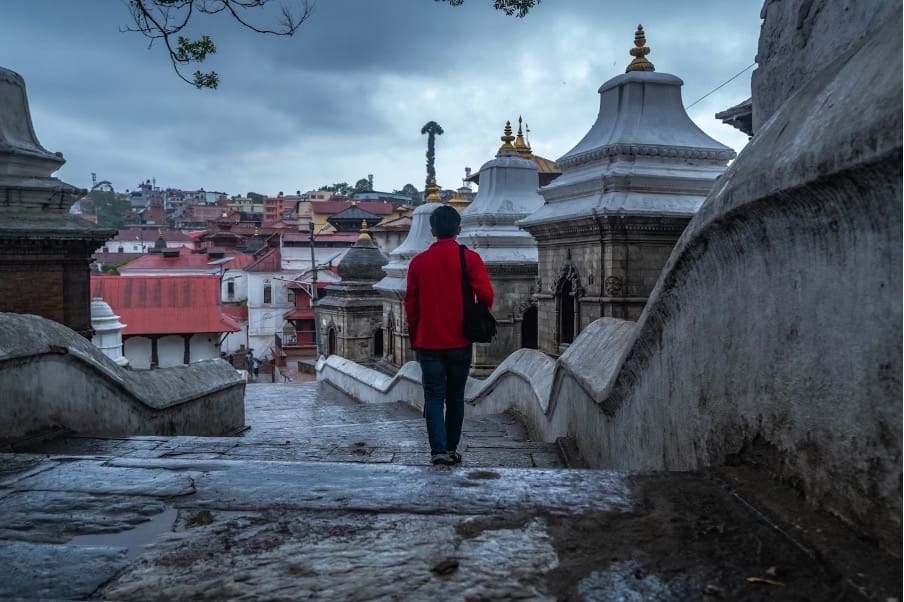
We often imagine that a new destination will automatically make us feel present and at peace. However, once we arrive, our minds often continue to race with worries about work, future travel plans, or capturing the perfect social media video.
The truth is that being present is a skill, not a location. It requires practice to ensure your mind is in the same place as your body. When you learn to stay “right here,” you stop just visiting and start truly experiencing. This shift turns a simple vacation into a deep, lasting memory that stays with you forever.
Why We Forget to Be Present
A major reason we lose our sense of presence is the “Next Thing” trap. Instead of enjoying a meal, we often check maps for the next museum, treating our journey like a chore list. This constant focus on the future keeps our nervous system in a “rush” state, making it impossible to notice the beauty right in front of us.
Our phones also steal the moment. When we view a sunset through a lens, we are documenting it rather than experiencing it. Interestingly, travelers wanting to break these habits often look at Liven app reviews to see how others use digital tools to build better routines and stay focused. By realizing how busy schedules pull us away, we can finally choose to be truly present.
Using Your Body to Stay Steady
If your mind starts to wander or stress rises, use your body to return to the moment. Your body is always in the present, even when your thoughts drift to the past or future. Try the “Five Senses Trick” by naming three things you see, two you hear, and one you smell. This immediately forces your brain to pay attention to your surroundings.
You can also try “Feeling the Place.” Instead of just looking at a landmark, touch a cool stone wall or a wooden door. If you are in a park, notice the texture of the grass or the breeze on your skin. These sensations act as physical anchors, signaling to your brain that this moment is real and helping you record deeper memories.
Better Ways to Take Photos
We all want photos to remember our trips, but taking too many can actually make us forget what we saw. To fix this, try the “Eyes First” rule. When you arrive at a beautiful viewpoint, promise yourself that you won’t touch your camera for the first three minutes. Use that time to just look. Notice how the light changes or how the wind moves the trees. By looking first, you allow your brain to take its own “internal photo.”
Once you have really seen the view, then you can take a picture. Try to choose quality over quantity. Instead of taking fifty fast photos of everything you see, try to take one or two really thoughtful ones.
Ask yourself what you want to remember about this specific moment. When you take photos with intention, the camera becomes a tool for noticing rather than a distraction that keeps you from being there.
Making Quiet Time
A busy trip needs “pockets” of quiet time to keep your mind from getting overwhelmed. A peaceful morning is one of the best ways to do this. Try to spend the first fifteen minutes of your day without checking your phone or the news. Sit by the window or on a balcony and just listen to the sounds of the city waking up. This calm start helps you move through the rest of the day with a much steadier heart.
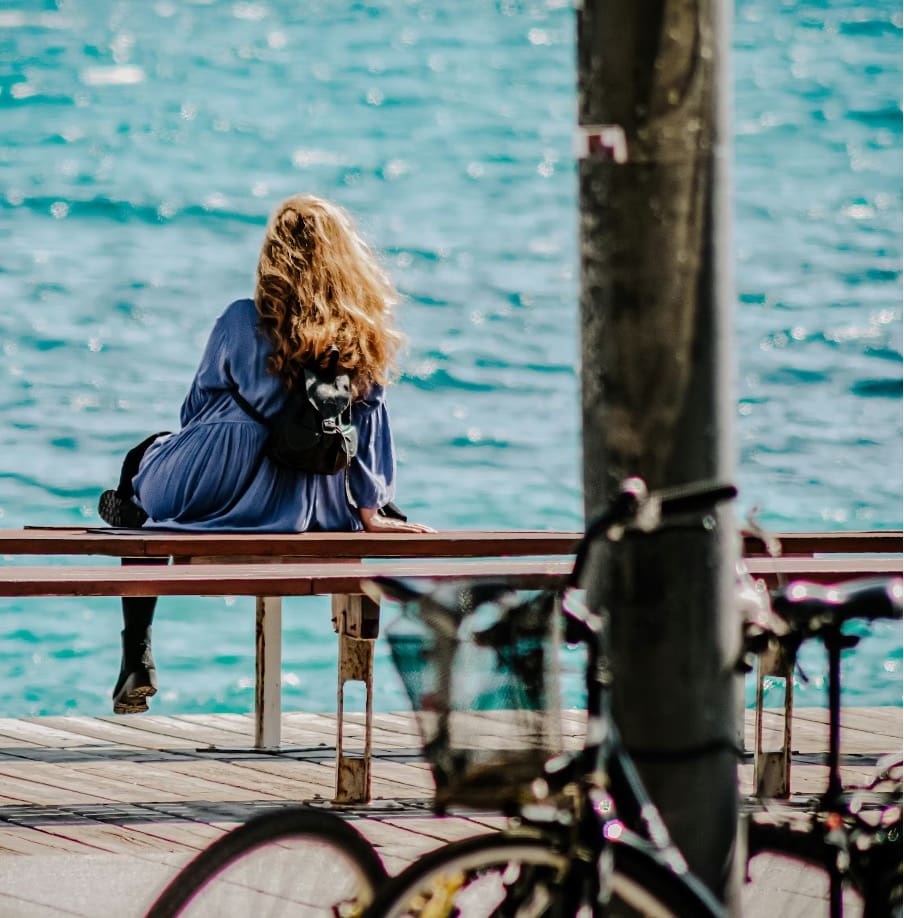
Another great habit is the “Sitting Break.” Find a bench in a busy square or a quiet park and just sit for ten minutes without a map or a book. Watch how people walk, how the local shops open, and how the birds move.
This is called “soaking in” a city. It is often during these quiet moments of observation that we feel the most connected to a new place. You aren’t doing anything, but you are experiencing everything.
Eating and Walking with Focus
Food is a huge part of travel, but we often eat while we are distracted. To stay present, try the “First Bite Practice.” For the first few bites of every meal, put your phone down and don’t talk. Focus entirely on the flavor, the temperature, and the texture of the food. This honors the local culture and helps you enjoy your meal much more. It also helps your body relax and digest better.
You can do the same thing while walking. Instead of looking at your feet or your phone, look up. Make it a game to find small details that most people miss, like the shape of a door handle or a small flower growing in a crack in the sidewalk. Turning a simple stroll into a treasure hunt for details keeps your mind active and engaged. It turns a boring walk into an adventure of discovery.
Being There is the Best Part
At the end of your trip, you won’t remember the emails you checked or the time you spent worrying about your schedule. You will remember the moments when you felt truly alive and connected to the world. Presence is the greatest gift you can give yourself while you travel. It is the only way to turn a simple trip into a life-changing experience.
Remember, you traveled a long way to be here, so make sure your mind stays here too. By slowing down, using your senses, and being kind to yourself, you can enjoy every minute of your journey.
Staying present is the best way to make sure that when you return home, you bring back a heart full of real, beautiful memories.
