

New international assessment results have highlighted the continuing challenge facing Wales in raising standards across its schools, particularly in reading and mathematics.
The latest Programme for International Student Assessment (PISA) findings show that performance in reading and science has remained broadly stable since 2022, with Wales recording a modest improvement in science. However, the overall results remain below the level the Welsh Government wants to see and underline the need for further action to improve literacy and numeracy.
The results also point to a relative strength within the Welsh education system, with schools performing comparatively well internationally in supporting learners from the most disadvantaged backgrounds. Ministers said this reflected the work of teachers and school leaders in helping pupils achieve regardless of their circumstances.
Around 3,400 learners in Wales took part in the assessments during September and October 2025. They represent the final Welsh cohort participating in PISA not to have studied under the new Curriculum for Wales.
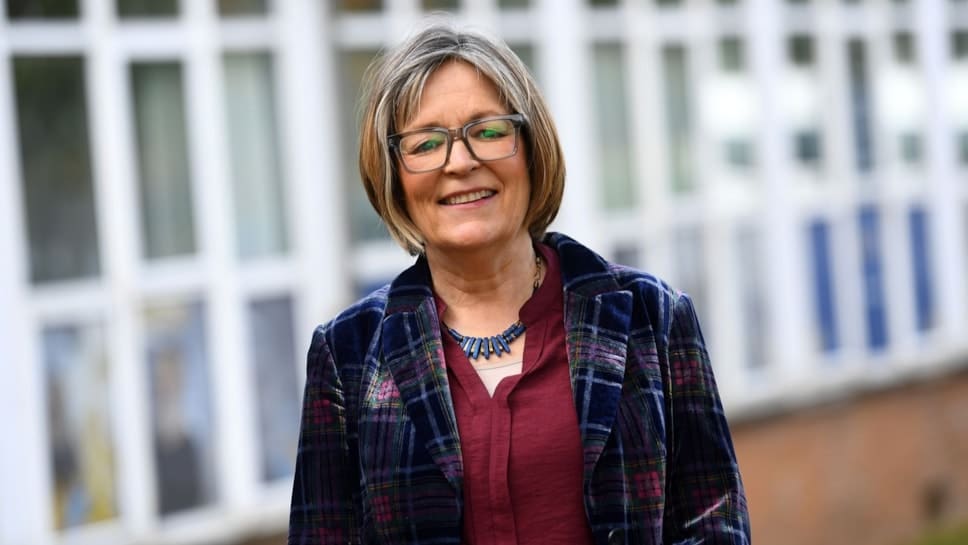
Cabinet Minister for Education and the Welsh Language Anna Brychan said there would be no knee-jerk response to the findings. Instead, she said the results reinforced issues already identified by the Welsh Government and the need for a considered, joined-up approach to raising standards.
Plans include the forthcoming launch of a Foundational Literacy and Numeracy Plan, which will set out expectations, responsibilities and actions across the education system. The minister said improving outcomes would require a collective effort involving government, schools, teachers and other education organisations.
Cabinet Minister for Education and the Welsh Language Anna Brychan said:
“Let me be clear, these results are not where we want them to be. But in many ways, they reinforce what we knew already and highlight our need to improve standards of reading and maths, as a priority. We must also do more to ensure our highest-achieving learners reach their full potential.
“I am encouraged that our most disadvantaged learners compare well internationally, and we are indebted to our teaching profession for supporting learners to achieve regardless of background. But it is clear that we have much more work to do.
“PISA results are not the only measure of performance and standards in our schools need to be understood in the round. But that does not mean that we should ignore them, either – and we take our performance in international studies incredibly seriously.
“PISA highlights longstanding issues that require a considered and joined-up response. This is not the fault of schools or teachers and we have inherited an education system that lacks clarity, coherence and a sure sense of direction. These are the things we have set out to address.
“What matters now is what happens next and delivering on our promise to better support the education system to raise standards. I will soon be launching our Foundational Literacy and Numeracy Plan that represents an important first step in the development of an equitable education system that works for all.
“It will set out clearly our expectations for action, make visible roles and responsibilities and bring people and organisations together in ways that allow them to get the very best from one another. Our efforts to raise standards require a holistic approach and we all have an important part to play.
“We are a new government with new ambition and make no apologies for setting the bar high. But raising standards is a team effort that will require the expertise, energy and determination of all with an interest in education in Wales.”
