Close Menu
    Facebook X (Twitter) Instagram
    Wales 247
    • Cymru
    • FindMyTown
      • South East Wales
      • South West Wales
      • Mid & West Wales
      • North East Wales
      • North West Wales
    • Business
    • Education
    • What’s On
    Facebook X (Twitter) LinkedIn
    • Senedd 2026
    • Cardiff
    • Swansea
    • Charity
    • Motoring
    • Got a story?
    • Advertise
    • Property
    • Cornered
    • Life
    Wales 247
    Home » How to prevent food spoilage and reduce food waste
    Life

    How to prevent food spoilage and reduce food waste

    Rhys GregoryBy Rhys GregoryFebruary 17, 2026No Comments
    Share Facebook Twitter Copy Link LinkedIn Email WhatsApp
    Credit: High Speed Training
    Share
    Facebook Twitter LinkedIn Pinterest Email Copy Link

    Understanding how to prevent food spoilage is essential for reducing food waste, saving money and protecting health. Spoiled food not only contributes to unnecessary costs but can also lead to foodborne illness if consumed.

    Here, the team at food hygiene training experts High Speed Training share some top tips on reducing the risk of food spoilage.

    Dr Richard Anderson, Learning Experience Director at High Speed Training, said: “Food spoilage refers to the process where food becomes unsuitable for consumption due to changes caused by microorganisms, enzymes or physical and chemical reactions. These changes can affect the safety, flavour, texture and overall quality of food.

    “Spoiled food is no longer safe to eat and should always be discarded to avoid health risks.”

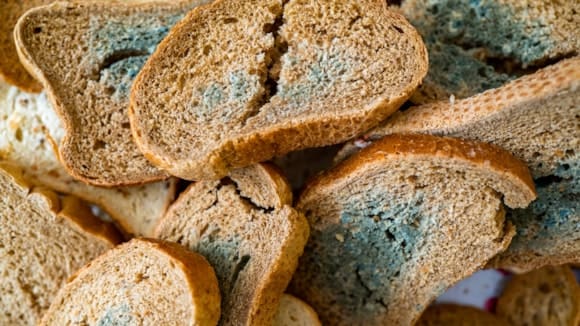
    Some signs of food spoilage to look out for include a sour, off, or unpleasant odour, a change in colour or an altered texture, for example, milk becoming clumpy or foods becoming slimy or soggy.  Other indicators are visible mould or unusual growths on the surface of food, or an unusual or rancid taste.

    Food spoilage can be caused by a combination of factors, including physical, chemical and biological contamination, or poor packaging and storage practices.

    The Importance of Safe Food Storage Temperatures

    Dr Anderson said: “Maintaining safe food storage temperatures is vital for maintaining food safety and preventing food spoilage. To slow bacterial growth, perishable foods should be stored below 5 °C (or at least under 8 °C) in the fridge. Foods must be kept out of the temperature danger zone (between 8 °C and 63 °C) where bacteria can multiply rapidly. It’s also important to chill cooked food quickly – ideally within 90 minutes – and avoid leaving it within the temperature danger zone (such as room temperature) for a prolonged period.

    10 top tips to prevent food spoilage

    1. Always keep perishable foods refrigerated below 5 °C.
    2. Store frozen foods at -18 °C or lower.
    3. Apply the FIFO (First In, First Out) system: use older products before newer ones.
    4. Use airtight containers or appropriate packaging to limit exposure to air and moisture.
    5. Label and check use by and best before dates regularly and rotate stock accordingly.
    6. Avoid over-purchasing perishable items to reduce waste and ensure they are used before they spoil.
    7. Maintain rigorous personal hygiene and clean surfaces and equipment regularly to minimise microbial contamination.
    8. Separate raw and ready-to-eat foods in storage and preparation areas to avoid cross contamination.
    9. Cool hot food quickly (using methods like dividing into smaller portions or using ice baths) and refrigerate within 90 minutes.
    10. Discard any food showing signs of spoilage immediately.
    Follow on Facebook Follow on X (Twitter) Follow on LinkedIn
    Share. Facebook Twitter LinkedIn Email WhatsApp Copy Link
    Avatar photo
    Rhys Gregory
    • X (Twitter)
    • Instagram
    • LinkedIn

    Editor of Wales247.co.uk

    Related Posts

    Four of the Best Ways to Enjoy Yourself in This Summer

    May 19, 2026

    What are the top Bitcoin casino sites that accept US players?

    May 19, 2026

    Why Should Modern Gaming Platforms Build Profitable Ecosystems?

    May 18, 2026

    Comments are closed.

    Latest News in Wales

    Explore life at sea aboard 17th century galleon visiting Cardiff

    May 20, 2026

    Newtown Textile Museum opens for summer with Pryce Jones exhibition

    May 20, 2026

    Pembrokeshire Learning Centre celebrates opening of new library

    May 20, 2026

    Classic Car Show returns to Rhondda Heritage Park this summer

    May 20, 2026

    Caerphilly sports clubs invited to apply for winter pitch allocations

    May 20, 2026

    New £7.5m visitor hub planned for Waterfall Country as operator search begins

    May 20, 2026

    Coleg Cambria strengthens global equality partnerships with Canada visit

    May 20, 2026

    North Wales operator sees strong demand as new holiday park opens

    May 20, 2026

    North Wales estate brings round the clock farm produce access to customers

    May 20, 2026

    New wardens swap Cardiff for off grid life on Bardsey Island

    May 20, 2026
    Follow 247
    • Facebook
    • Twitter
    • YouTube
    • LinkedIn

    247 Newsletter

    Sign up to get the latest hand-picked news and stories from across Wales, covering business, politics, lifestyle and more.

    Wales247 provides around the clock access to business, education, health and community news through its independent news platform.

    Email us: [email protected]
    Contact: 02922 805945

    Facebook X (Twitter) YouTube LinkedIn RSS
    More
    • What’s On Wales
    • Community
    • Education
    • Health
    • Charity
    • Cardiff
    • Swansea
    Wales Business
    • Business News
    • Awards
    • Community
    • Events
    • Opinion
    • Economy
    • Start-ups
    • Home
    • About
    • Advertise
    • Picture Desk
    • Privacy
    • Corrections
    • Contact
    © 2026 Wales 247.

    Type above and press Enter to search. Press Esc to cancel.