

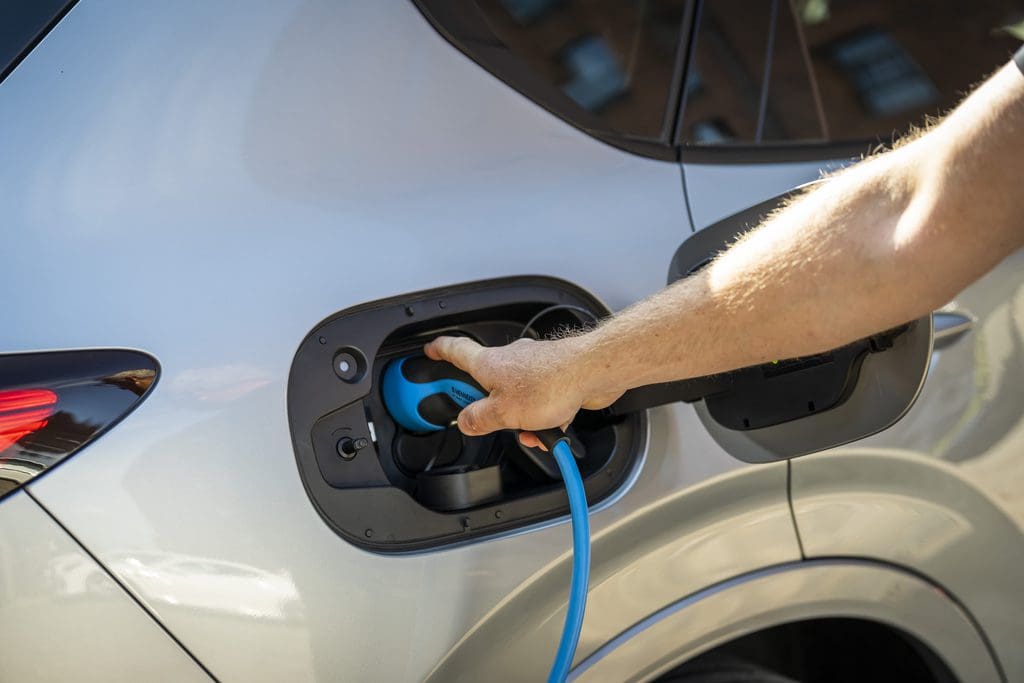
Hybrid vehicles have become an increasingly popular choice for fleet managers who want to reduce running costs without compromising practicality. They offer a middle ground between petrol or diesel models and fully electric cars, combining the benefits of fuel efficiency with the reassurance of an engine that can handle longer journeys. For businesses managing multiple vehicles, hybrids bring opportunities to save money, meet sustainability goals, and keep drivers satisfied. With the right planning, they can fit seamlessly into a fleet strategy and deliver long-term value.
The Financial Case for Hybrid Fleet Vehicles
For many organisations, the decision to include hybrids starts with a review of their overall cost of ownership. This includes the purchase price, day-to-day running expenses, and eventual resale value. While hybrids can be more expensive to buy initially, the potential to recover those costs through fuel savings, lower maintenance needs, and tax advantages is significant.
Some fleet managers find that models such as hybrid cars from MG offer an appealing combination of affordability, efficiency, and driver comfort. Choosing the right vehicles for a specific fleet profile ensures that these benefits are realised in practice. The key is to match vehicle capabilities with the routes, mileage, and usage patterns of the drivers who will operate them.
It is important to look beyond purchase costs. Operational savings can build steadily over time, particularly when vehicles are used in urban areas where hybrids make the most of their electric drive. These gains contribute to stronger fleet performance and help justify investing in hybrid technology.
Managing Upfront Costs and Long-Term Savings
It is common for hybrids to have a higher initial price compared to similar petrol or diesel options. This gap can be narrowed through leasing arrangements or finance packages that spread the cost over time. When the numbers are considered over the life of the vehicle, the potential savings from reduced fuel usage and lower servicing needs often outweigh the higher purchase price.
Planning a fleet transition in stages can help businesses manage budgets. Replacing vehicles at the end of their service life rather than all at once keeps costs predictable. This gradual approach also gives managers time to monitor performance data and refine their selection of models based on real-world experience.
Fuel efficiency plays a major role in offsetting initial costs. Hybrids typically consume less fuel in city driving, where stop-start conditions allow regenerative braking systems to store energy for later use. Over the years, this improvement in fuel economy can make a substantial difference to overall fleet expenditure.
Tax and Policy Incentives
Government incentives can further improve the financial case for hybrids. Lower company car tax rates and potential grants for charging infrastructure give businesses additional reasons to make the switch. These benefits are particularly relevant for fleets operating in areas with stricter emissions regulations, where compliance can help avoid penalties.
Tax advantages often also extend to drivers, which can improve employee satisfaction and retention. When drivers see the personal benefits of hybrid vehicles, they are more likely to support the transition and adopt the driving habits that maximise efficiency. This shared interest between business and driver helps strengthen the overall impact of the investment.
Operational Efficiencies and Maintenance
Hybrid vehicles can reduce the strain on maintenance budgets. Their dual-power systems often mean less wear on certain engine components, and regenerative braking can extend the life of brake pads. Routine servicing is still essential, but the intervals for some replacements may be longer compared to conventional vehicles.
Driver training can make a measurable difference to performance. Simple techniques, such as smooth acceleration and planned braking, help maximise fuel savings and keep the hybrid system working at its best. Including these practices in driver onboarding ensures consistent results across the fleet.
Monitoring vehicle health is another important step. Keeping accurate records of servicing, battery condition, and any repairs helps maintain reliability and protects resale values when the time comes to replace vehicles.
Choosing the Right Models for Fleet Needs
The success of a hybrid fleet depends on selecting models that match operational requirements. Factors to consider include the typical distance covered in a day, the proportion of urban versus motorway driving, and the payload or passenger capacity needed.
For fleets covering mostly urban routes, models with longer electric-only ranges can maximise savings. Hybrids with efficient engines and responsive electric assistance may be more suitable for mixed driving patterns. Testing a few vehicles before committing to a larger purchase can provide valuable insights into performance and suitability.
Monitoring and Reviewing Performance
Once hybrids are part of the fleet, performance should be measured regularly. Tracking fuel usage, maintenance costs, and driver feedback allows fleet managers to see whether targets are being met. This data can guide future purchasing decisions and help refine policies to maximise savings.
Technology such as telematics can provide detailed insights into driving patterns and vehicle efficiency. Analysing this information can reveal opportunities for further improvements, whether through route planning, driver coaching, or vehicle choice. Regular review ensures that the expected benefits of hybrids continue over the long term.
Preparing for the Future of Fleet Management
The shift towards cleaner vehicles is accelerating. As deadlines approach for the phase-out of new petrol and diesel models, hybrids represent a practical option for fleets looking to adapt without immediate reliance on full electric power. They offer the flexibility to operate effectively in a range of conditions while delivering financial and environmental advantages.
By adopting hybrids now, businesses can start building experience with electrified technology and position themselves for a smoother transition in the years ahead. The combination of lower running costs, driver satisfaction, and readiness for regulatory changes makes hybrids a strong choice for forward-thinking fleet operators.
Drive Your Fleet Towards Smarter Savings
Investing in hybrids is more than a short-term cost decision. It is a move towards greater efficiency, reduced emissions, and improved resilience in a changing market. By planning carefully, engaging your drivers, and tracking performance, you can make hybrid technology a valuable part of your fleet’s future. The right choice today can set your business on the road to lasting operational and financial gains.
