

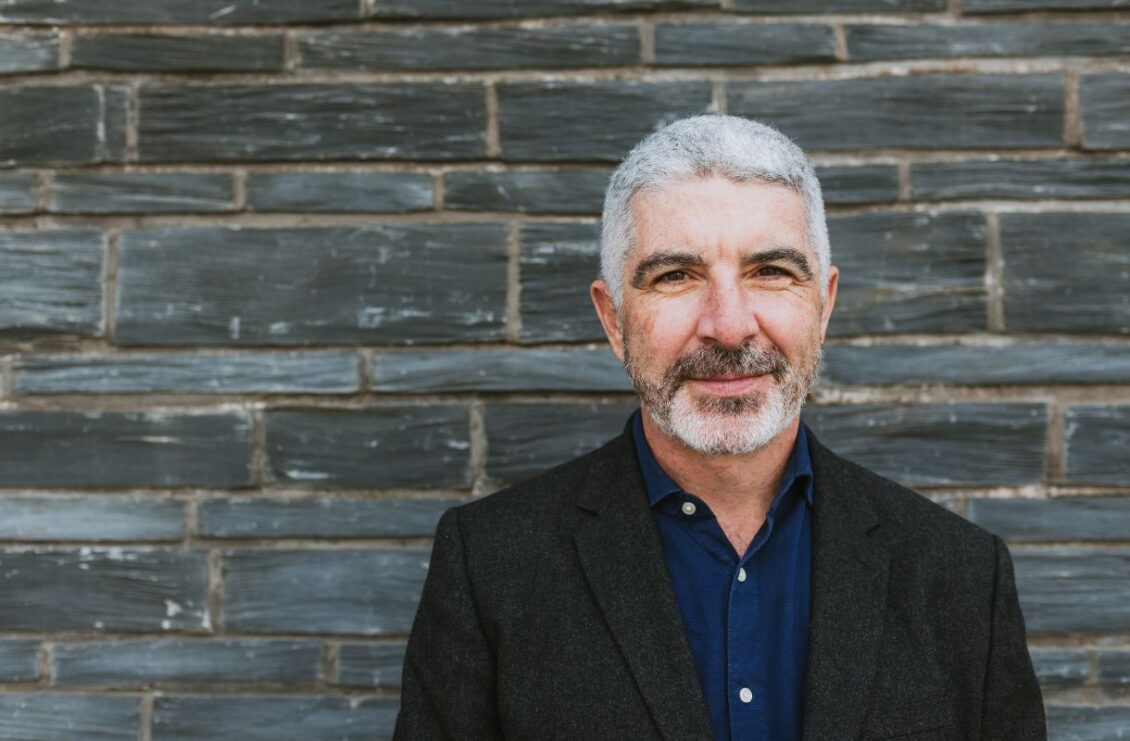
Wales is investing in sickness not health, the Future Generations Commissioner is warning, as he joins calls for a dramatic shift in the way we spend our budgets.
The Chief Medical Officer for Wales recently warned inequalities are widening, while Wales spends half of its budget on the under-pressure NHS and is not investing enough on root causes.
Spending on prevention returns £14 for every pound invested, according to Public Health Wales, while more than £10bn is spent on the NHS every year.
Derek Walker said until we treat prevention as a shield not a competing priority, we’re condemning the NHS to fight multiple crises with one hand tied behind its back, especially in the difficult winter conditions.
Mr Walker, who gave evidence to the Senedd Finance Committee last month, called for increased investment in prevention as a matter of urgency, and said public services and other public institutions including the NHS fear bankruptcy, and generations will judge us if we don’t act now on the systemic causes of inequality.
His team is working actively to address causes of ill-health such as the lack of investment in prevention, lack of community health programmes, or the lack of availability of accessible healthy food.
Last month, in collaboration with Food Sense Wales, he co-produced guidance for local councils in Wales on how they can improve local food systems, and said ill health prevention was the business of all public bodies, not just healthboards.
Mr Walker said: “Investing in the things that prevent poor quality of life for the most deprived in our population especially, slashes avoidable hospital admissions and frees beds and clinicians, yet we’re condemning the NHS to fight crises with one hand behind its back.
“Connected communities, clean air, fair jobs, accessible healthy food, and access to nature and green spaces are some of what keeps us well, while healthcare treats only a fraction of our health issues and gets half of our budget.
“The way Wales spends right now is a breach of future-proof planning and our current budgeting is not meeting the Well-being of Future Generation Act’s requirement to improve health equity for our current and future generations.
“Some public bodies have told me they fear bankruptcy. Generations will judge us if we don’t act now on the systemic causes of inequality.”
The warnings in the latest Chief Medical Officer for Wales’ report echo the Well-being of Wales Report published by Welsh Government in October, and the Future Generations Commissioner’s Future Generations Report.
Mr Walker welcomes Welsh Government’s commitment to become the first Marmot Nation and has called for more investment in prevention programmes to reduce health inequalities, like Public Health Wales’ all Wales Diabetes Prevention Programme which has shown early signs of effectiveness in improving blood glucose control, but is struggling to secure long term funding.
His Future Generations Report recommends several policy areas in prevention, from a Real Living Wage to a plan to reverse the rate of obesity within 10 years, free school meals to all children up to age 16, and a bigger focus on prevention across public services.
Mr Walker cited an initiative in North Wales helping healthcare providers make the link between cold and damp homes and poor health, as an example of preventative investment.
People in areas of deprivation in Flintshire, live 11 years less than those in wealthier regions and Warm Wales’ Healthy Homes – Healthy People (with 2025 Movement, a collaboration of more than 600 people and organisations), is working with GPs and pharmacies to identify people whose living conditions might be affecting their health, focussing on identifying early signs like chest infections, skin issues, and mental health challenges.
One resident said: “It helped with energy and warming our home, we received an electric blanket which helped to keep us warm, plus food bank support. My fibromyalgia has improved, my stress has reduced and it’s helped with warming our home.”
Wrexham University played a key role in the initiative through leading the Community of Practice for social prescribing across the region via the North Wales Public Service Lab.
