

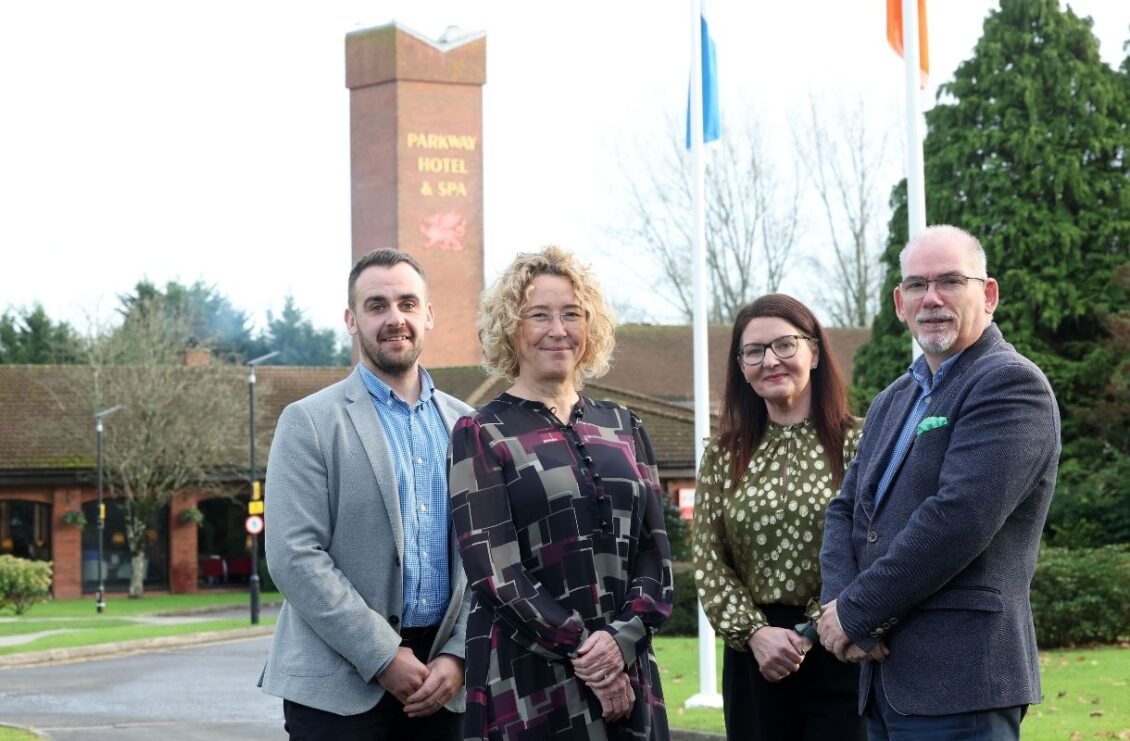
LQ Resorts has expanded its UK portfolio with the acquisition of the Parkway Hotel and Spa in Cwmbran, supported by a seven‑figure loan from the Development Bank of Wales.
The long‑established spa and resorts operator, which already runs three destination resorts including its flagship site near the Welsh border between Oswestry and Wrexham, has added the 80‑room Parkway Hotel and Spa to its collection. Set in more than seven acres, the venue is a popular destination for spa breaks, conferences, weddings, and leisure stays.
Funding was provided through the Wales Tourism Investment Fund. The business has already begun upgrades at the site, including new gym equipment and a refurbished bar area, with further investment planned.
Colin Jenno, Director at LQ Resorts, said: “The Parkway Hotel and Spa was a natural fit for us. Its established spa and strong local reputation align perfectly with our resort model. We value its family‑run heritage and will continue to empower local managers to maintain the loyal customer base while we invest in future growth. The Development Bank’s support ensured a smooth transition, allowing us to retain the existing team and start improvements immediately.”
Clare Sullivan, Regional Manager for New Investments at the Development Bank of Wales, said: “LQ Resorts has built a strong brand with a reputation for high-end service at their existing chain of spas, and the acquisition of the Parkway Hotel and Spa is a great addition to their portfolio. We’re glad that our support has enabled them to seize the opportunity quickly.”
She added: “We’d also like to thank Chris Thomas of SME Finance for advising on the deal, and James Guile of Hugh James for providing legal support.”

1 Comment
I’m not against public investment in Welsh tourism, but this particular deal raises some reasonable questions that deserve clearer answers.
From what is publicly available, LQ Resorts is a relatively young group. Their main operating company, LQ Spa & Golf Resorts Limited, was only incorporated in 2021. Accounts filed at Companies House and summarised by business information services such as Endole, suggest the group has had tight cash flow and negative net assets in its most recent filings. That does not automatically mean a business is failing, but it does usually indicate a higher-risk financial position.
Given that context, it seems fair to ask:
1. Why were commercial lenders not prepared to fund this acquisition and refurbishment on their own?
2. What risk assessment was carried out before public money was committed?
3. What security has been taken, and what protections are in place for the taxpayer if trading underperforms?
4. Is the Development Bank of Wales acting as a lender of last resort here, and if so, why?
The Development Bank of Wales is ultimately backed by the Welsh Assembly Government. That makes transparency especially important. A “seven-figure loan” is a significant public exposure, yet the announcement does not explain why this borrower represented good value or how the risks compare with other potential investments in Wales.
It would be helpful to see clearer disclosure around the due diligence, the expected economic return for Wales, and why this project required public finance rather than normal commercial lending.