


Building or extending in Wales comes with a set of rules that catch many people by surprise. Wales has taken its own path on flood risk and drainage, with requirements that differ from the rest of the UK. For developers and homeowners alike, understanding those rules early is the difference between a smooth approval and a stalled project.
Getting the paperwork right is where specialists earn their keep. A consultancy like Rida Reports produces the flood risk assessments and drainage strategies that Welsh planning applications require. This guide explains the key rules and how to stay ahead of them.
Why Are Welsh Rules Different?
Because planning is devolved. Wales sets its own environmental policy.
Flood-risk planning and drainage standards in Wales follow Welsh Government policy rather than the English system. That means separate guidance, separate bodies, and separate expectations. A report prepared for one system may not satisfy the other.
The point is local knowledge. Welsh projects need Welsh-specific expertise, since a generic UK approach can miss requirements that a Welsh authority will insist on.
What Is the SuDS Requirement?
A statutory duty on most new builds. Wales enforces sustainable drainage systems.
Since 2019, most new developments in Wales must include sustainable drainage systems, or SuDS, approved by a local body. Following sustainable drainage systems in local schemes shows how central this has become.
The national standards are laid out in the Welsh Government guidance on SuDS approval.
The requirement is firm. Most builds now need an approved drainage design before any work can begin.
Who Approves the Drainage Design?
A dedicated local body. Approval sits with the SuDS Approving Body.
Each Welsh local authority runs a SuDS Approving Body, often shortened to SAB. It reviews and signs off drainage plans against national standards. Securing that approval is a distinct step from planning permission, and missing it can hold up a project. Builders who plan for it from the outset rarely get caught out by the extra stage.
When Does Flood Risk Come Into Play?
At planning, and at purchase. Both trigger a closer look.
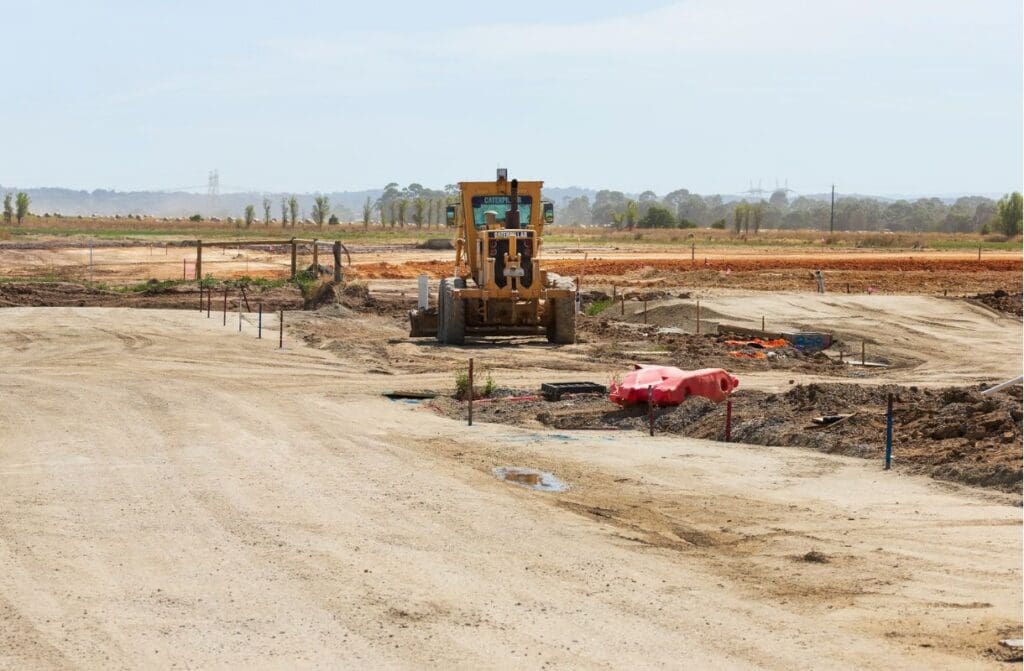
Developments in higher flood-risk areas usually need a flood consequences assessment. Even buyers feel it, since checking risk early avoids nasty surprises. Local flood alleviation schemes show how seriously Welsh communities take the issue.
The lesson is foresight. Flood risk is far cheaper to address early.
How Do You Keep a Project On Track?
With the right reports, prepared early. Preparation prevents delay.
The steps that keep a Welsh build moving include these 5:
- Check the flood zone. Know the site risk from the start.
- Commission early. Order reports before deadlines loom.
- Design for SuDS. Build drainage in from the outset.
- Seek SAB approval. Treat it as its own milestone.
- Use specialists. Rely on Welsh-specific expertise.
Each step removes a common cause of delay. Together they smooth the whole approval. General planning rules are covered in the guidance on planning permission.
Who Needs These Reports?
More projects than people expect. Several situations require them.
Consider who commonly needs flood or drainage reports:
- Developers submitting a planning application.
- Homeowners extending in a flood-risk area.
- Buyers seeking clarity before a purchase.
Each case benefits from clear, compliant documentation. The right report keeps a project on schedule.
Key Points to Keep In Mind
- Wales sets its own devolved flood and drainage rules.
- Most new builds since 2019 must include SuDS.
- A local SuDS Approving Body signs off drainage designs.
- Higher-risk sites often need a flood consequences assessment.
- Commissioning reports early prevents planning delays.
- Welsh projects benefit from Welsh-specific expertise.
Building With Confidence In Wales
Wales has raised the bar on drainage and flood management, and that is good news for communities facing more extreme weather. For builders and homeowners, it simply means planning ahead. Understand the SuDS requirement, factor in the approvals, and commission flood and drainage reports before they become urgent. With the right Welsh-specific expertise behind you, the rules become a manageable step rather than a costly obstacle, and your project moves forward with confidence instead of last-minute delay.
Frequently Asked Questions
What Is SuDS and Do I Need It In Wales?
SuDS stands for sustainable drainage systems, which manage surface water in a way that mimics natural drainage. Since 2019, most new developments in Wales must include SuDS approved by the local SuDS Approving Body. If you are building or carrying out significant construction, you very likely need a compliant drainage design. A specialist can confirm whether your project qualifies and prepare the required strategy.
How Are Flood Rules In Wales Different From England?
Planning is devolved, so Wales follows Welsh Government policy rather than the English system. This affects the guidance, the assessments required, and the bodies that approve them. For example, Wales operates a statutory SuDS regime with dedicated approving bodies. A report or strategy prepared for the English system may not meet Welsh requirements, which is why Welsh-specific expertise matters for projects in Wales.
Do I Need a Flood Report to Buy a House In Wales?
Not always, but it is often wise to check. Properties in flood-risk areas can face higher insurance costs and future planning limits, and buyers’ solicitors may raise flood searches. Understanding the risk before you commit helps you avoid unexpected bills later. For development or extension work in a flood-risk area, a formal flood consequences assessment is frequently required as part of planning.
How Early Should I Commission Drainage and Flood Reports?
As early as possible. Commissioning reports at the start of a project removes time pressure and lets you design drainage in from the beginning rather than retrofitting it. Because SuDS approval is a separate step from planning permission, leaving it late is a common cause of delay. Engaging specialists early keeps the paperwork ready when you need it and protects your timeline.
