

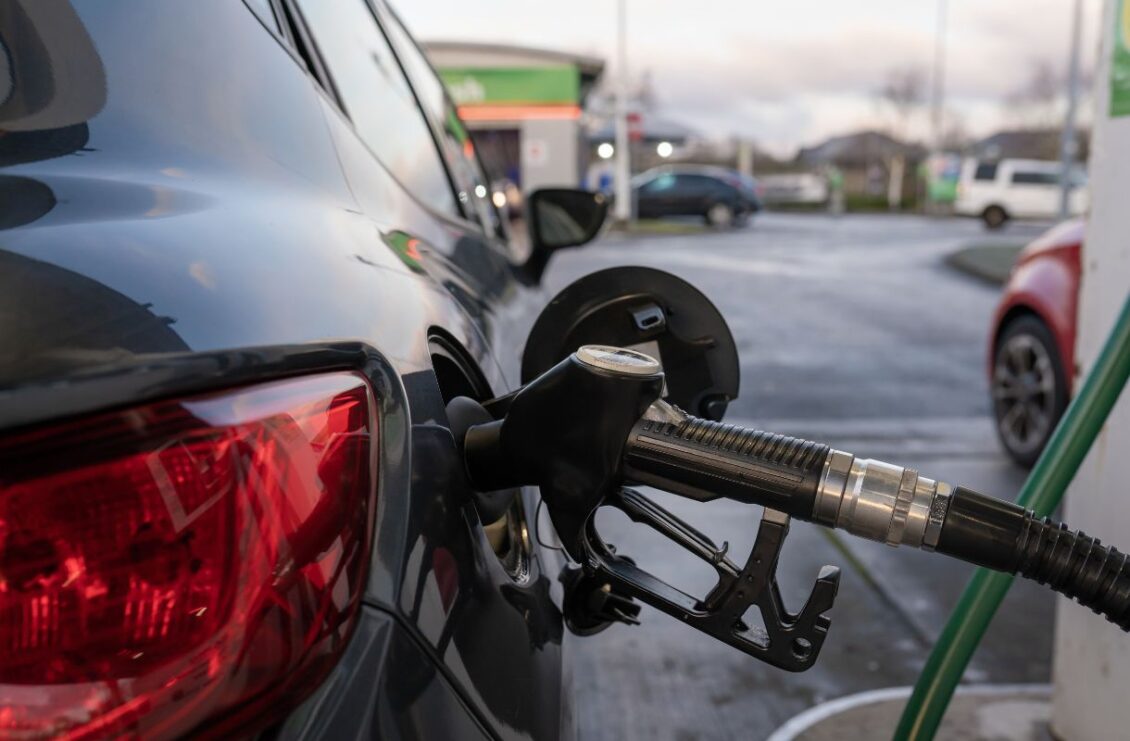
The UK Government has confirmed that the 5p cut on fuel duty will remain in place until the end of the year, giving motorists temporary relief from rising fuel costs linked to growing tensions in the Middle East.
The reduced rate on petrol and diesel was first introduced by the previous Conservative government in 2022 after Russia’s invasion of Ukraine caused fuel prices to surge. It had been due to begin phasing out in September, but Prime Minister Sir Keir Starmer announced it would now continue through to the end of 2026.
Speaking in the House of Commons, the Prime Minister said: “We’re backing drivers by extending the freeze on fuel duty.”
Downing Street said the extension would cost around £455 million this financial year, adding that stronger than expected economic growth had allowed the government to continue the measure.
Fuel prices have climbed in recent weeks following the outbreak of conflict involving the US, Israel and Iran, which has disrupted global oil and liquified natural gas supplies. According to the RAC, the average cost of petrol reached 158.52p per litre on Monday, the highest level recorded since the conflict began.
Alongside the extension, the Prime Minister also confirmed that the fuel duty rate on red diesel will be reduced by more than a third to 6.48p per litre from the middle of next month until the end of the year. The move is expected to support farmers and agricultural businesses that rely on tractors and other machinery.
A 12 month vehicle excise duty holiday for HGVs was also announced, with the government saying the measure is designed to help offset increased supply chain and haulage costs which can ultimately impact consumer prices.
Commenting on the announcement, Matas Buzelis, motoring expert at car history platform carVertical, said:
“Extending the fuel duty cut will be welcome news for drivers, particularly at a time when many households are still feeling the pressure of high everyday costs. Avoiding an additional rise at the pumps should offer some short-term relief and help ease the burden for those who rely on their cars for work, commuting and family life.
“However, fuel prices remain elevated, and recent geopolitical tensions have only added to that pressure. Even with the duty freeze, the overall cost of running a car is still significantly higher than it was just a few years ago, meaning many motorists won’t feel a dramatic difference day to day.
“While the extension provides some stability in the months ahead, it doesn’t fully address the broader affordability challenges facing drivers. As a result, many are holding onto older vehicles for longer or looking for better value in the used market.
“Our data shows this can come with risks. Between January 2024 and March 2026, around 3% of electric cars checked by carVertical had tampered mileage – the highest share of any fuel type – followed by diesel (2.8%) and petrol (2.5%). Diesel vehicles also saw the largest discrepancies, with mileage reduced by an average of around 35,000 miles, compared to approximately 28,000 miles for petrol and 15,000 miles for electric cars.
“With fuel prices remaining high, the incentive to artificially inflate the value of high-mileage vehicles – particularly diesels – is stronger than ever, underlining the need for buyers to remain cautious in a competitive market.”
