


Modern construction sites are complex ecosystems where management of hazards and dangers extends beyond hard safety equipment. A strategic, often undervalued, component in this equation is rigorous site hygiene.
Disciplined hygiene protocols form a foundational pillar of a holistic health and safety strategy. They directly protect worker well-being, enhance operational productivity, and ensure unwavering regulatory compliance. This article explores how comprehensive hygiene practices can improve a construction site’s overall project safety and success.
The Role of Advanced Hygiene Facilities
Providing adequate, well-maintained, and appropriately specified facilities is the first critical step in construction site hygiene. This includes sufficient numbers of toilets and handwashing stations with potable water, soap, and disposable towels, strategically placed to encourage use.
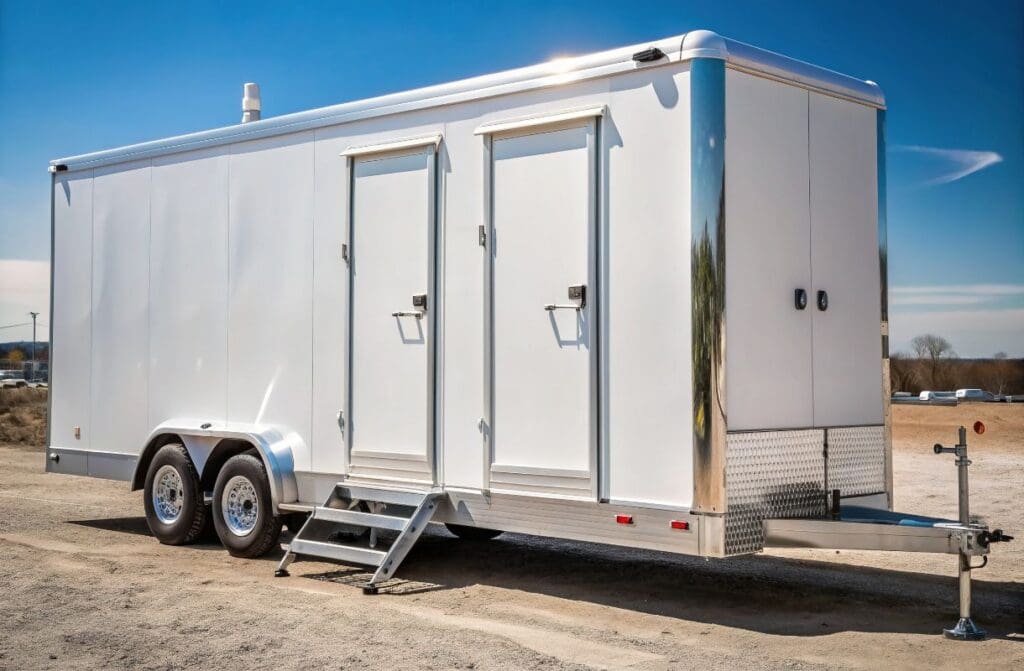
For larger or longer-term projects, enhancing these facilities can help ensure hygiene and safety. For example, a shower trailer provides an immediate, on-site decontamination point, ensuring that harmful substances, such as lead or silica dust, are washed off the body before they can be transferred to personal vehicles or homes.
Furthermore, strategically placed and well-equipped site canteens and welfare cabins play a crucial preventative role. A dedicated, clean space for breaks and meals, separate from the work area, prevents food contamination from dust and hazardous substances.
Direct Impact on Worker Health and Safety
Poor sanitation leads to the spread of gastrointestinal illnesses and infections, causing absenteeism and reducing crew capacity. Simple, consistent hand washing is the most effective defense against biological hazards transmitted from common surfaces.
Furthermore, proper hygiene practices are crucial when workers handle hazardous chemicals or dusts. Inadequate washing can lead to ingestion or transfer of dangerous substances, exacerbating long-term health risks.
Hygiene also extends to the work area itself; orderly storage solutions for materials and waste minimize trip hazards and prevent contamination of clean zones. Thus, the routine restocking of toilet paper and hand sanitizer is as much a safety function as inspecting a safety net.
Mitigating Hazards and Dangers Through Procedural Hygiene
Health and safety rules must integrate hygiene to combat specific site dangers. Dedicated hygiene protocols are essential for high-risk tasks. For instance, mandatory showering after handling certain hazardous materials protects the individual and prevents them from carrying contaminants to their vehicle or home.
Similarly, protocols for cleaning tools and personal protective equipment (PPE) stop the spread of substances like lead or silica dust. Just as crane safety operations rely on strict checklists and procedures to prevent catastrophic failures, these hygiene protocols must be born from thorough risk assessments that explicitly consider biological hazards and cross-contamination pathways.
Reviewing these hygiene protocols in safety meetings reinforces their critical role. This should occur at the start of any task involving new hazardous chemicals or materials and be reiterated regularly to ensure strict adherence.
The Foundation of Regulatory Compliance
Adherence to health and safety regulations is non-negotiable. OSHA and equivalent authorities worldwide mandate minimum standards for sanitation on construction projects. This includes stipulations for the number of toilets, access to potable water, and cleanliness.
Failure to meet these standards can result in severe penalties, work stoppages, and reputational damage. Furthermore, during audits or inspections, documented hygiene practices and well-maintained facilities serve as immediate, visible proof of a company’s commitment to compliance.
More than just avoiding fines, documented hygiene programs, training programs for workers, and clear health and hygiene policies demonstrate a proactive safety culture. They provide auditable proof that the company prioritizes welfare, strengthening its position during inspections and when bidding for new work where safety records are scrutinized.
Enhancing Productivity, Morale, and Company Reputation
A clean, well-maintained site is a more productive and positive work environment. When workers have access to proper facilities, it demonstrates respect for their dignity and contributes to higher morale and job satisfaction. This directly reduces turnover and fosters a culture where safety and orderliness are valued.
Sustaining high morale is essential for managing demanding construction workloads efficiently. A demoralized crew facing poor conditions will not perform at its best. Conversely, a site with poor hygiene is demoralizing, signaling neglect and leading to disengagement.
From a business perspective, a strong reputation for caring for worker welfare becomes a powerful tool for recruitment and retention in a competitive labor market. It also enhances a company’s standing with clients, communities, and regulators, positioning it as a responsible and preferred partner for future projects.
The Bottom Line
Viewing site hygiene as a peripheral expense is fundamental to operational efficiency and risk management. Effective hygiene practices directly reduce illness-related absenteeism and prevent accidents caused by contamination or disorganized workspaces. Therefore, investing in comprehensive facilities and strict protocols is an investment in the project’s timely completion, workforce welfare, and the company’s compliance, reputation, and long-term viability.
