

When it comes to completing tasks at elevation, safety and efficiency are the two most critical factors. Whether you are a facility manager overseeing warehouse maintenance, a tree surgeon tackling a complex canopy, or a contractor working on a high-rise construction project, selecting the right equipment is paramount.
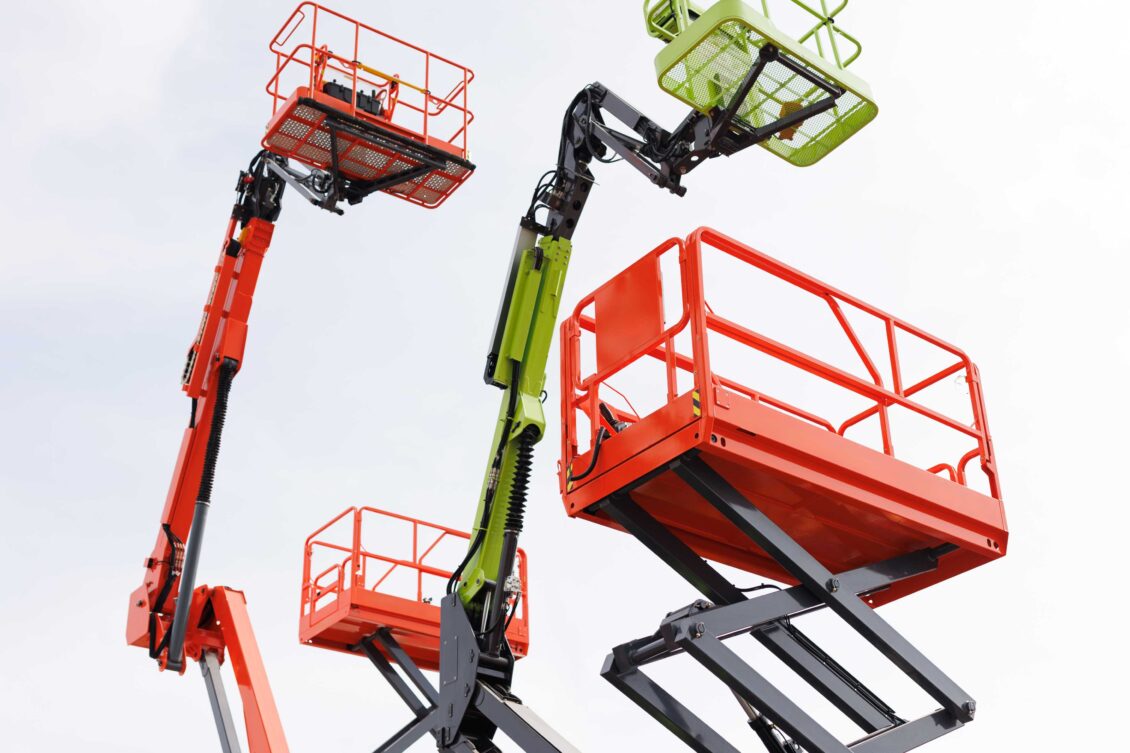
Among the various types of Mobile Elevating Work Platforms (MEWPs), the cherry picker – also known as a boom lift – is one of the most versatile. However, the most common mistake made during the hiring process is miscalculating the height required for the job. Choosing a machine from Access Platform Sales that is too short leads to dangerous overreaching, while hiring a machine that is far too large leads to unnecessary costs and potential access issues on-site.
This comprehensive guide will walk you through everything you need to know to select the perfect working height for your next project, ensuring your team stays safe, compliant, and productive.
Understanding the Terminology: Working Height vs. Platform Height
Before looking at specific models, it is essential to understand the distinction between the two primary height measurements used in the access industry. If you confuse these two, you could end up several feet short of your target.
Platform Height
The platform height refers to the maximum distance from the ground to the floor of the basket (the platform) when the boom is fully extended. This is the physical limit of the machine’s mechanical reach.
Working Height
The working height is a theoretical measurement. It is generally calculated as the platform height plus an additional two metres (approximately six feet). This accounts for the reach of an average-sized operator standing on the platform.
Example: If you need to repair a light fitting that is 12 metres above the ground, you do not necessarily need a 12-metre platform height. A machine with a 10-metre platform height would provide a 12-metre working height, allowing the operator to work comfortably at chest or head level.
Step 1: Accurate Site Measurement
The foundation of a successful cherry picker hire is an accurate site survey. Do not rely on guesswork or “eyeballing” the distance.
Measure the Target Height
Use a laser measure or a long tape measure to determine the exact height of the task. If you are working on a building, counting brick courses or floor levels can provide a rough estimate, but a digital measurement is always preferred for precision.
Identify Obstructions
It is rare that you can park a cherry picker directly underneath the workspace. You must account for:
- Permanent structures: Walls, fences, or outbuildings.
- Overhead hazards: Power lines, telephone wires, or tree branches.
- Ground hazards: Manhole covers, soft verges, or underground services that might limit where the machine can be positioned.
Step 2: The Importance of Horizontal Outreach
Height is only one half of the equation. Because cherry pickers utilise a boom arm (either telescopic or articulated), they are designed to reach “up and over” obstacles.
Telescopic Booms (Stick Booms)
These offer great height and significant horizontal outreach. They are ideal for tasks where you have plenty of clear space to manoeuvre the base but need to reach a target far away, such as bridge inspections or high-rise glazing.
Articulated Booms (Knuckle Booms)
These feature multiple sections that “fold,” allowing the operator to navigate over roofs, ductwork, or machinery. When calculating your height, you must consider the “up and over” clearance – the height at which the boom must bend to clear an obstacle before reaching the final work area.
If your task requires you to reach 15 metres up but also 8 metres across a conservatory or garden, you must check the Range of Motion or Working Envelope diagram provided in the machine’s specification sheet.
Step 3: Assessing the Ground and Access Points
The height of the machine often dictates its physical footprint. Generally, the higher a cherry picker can reach, the larger and heavier the base unit will be.
Weight and Point Loading
A 20-metre cherry picker can weigh several tonnes. You must ensure that the ground – whether it is tarmac, paving, or soil—can support the weight. If you are working on suspended slabs or near basements, you will need to consult a structural engineer.
Access Width
Before the machine can reach its working height, it has to get to the work area. Check the width of gates, alleyways, and internal doors. If you have a narrow access point but need significant height, you should look into Tracked Spider Lifts, which can retract their width to fit through a standard garden gate but extend their legs (outriggers) for stability once in position.
Outrigger Footprint
Most high-reach cherry pickers use outriggers to prevent tipping. These legs extend outwards from the base. When calculating space, ensure there is room for the outriggers to fully deploy. Without them, the machine’s safety sensors will prevent the boom from lifting to its maximum height.
Step 4: Power Sources and Environment
Where you are working will influence the type of machine you hire, which in turn affects available height options.
- Indoor Projects: For warehouses or shopping centres, you will require an Electric or Hybrid machine to avoid toxic exhaust fumes. Electric models are often more compact but may have slightly lower maximum heights than their heavy-duty diesel counterparts.
- Outdoor Projects: Diesel-powered machines are the standard for construction sites. They offer the most power and the highest reach capacities, often combined with four-wheel drive to navigate rough terrain.
Step 5: Considering the Safe Working Load (SWL)
The “Perfect Height” is useless if you cannot carry the tools required to do the job. Every cherry picker has a Safe Working Load (SWL).
When selecting your machine, calculate the combined weight of:
- The operator(s).
- All hand tools.
- Materials (e.g., replacement glass, bricks, or heavy light fixtures).
Note that on some machines, the maximum working height is reduced if the basket is at its maximum weight capacity. Always refer to the load chart to ensure the machine can safely reach the required height with the intended load.
Step 6: Safety and Legal Compliance
In the UK, operating a MEWP is subject to strict health and safety regulations, specifically the Work at Height Regulations 2005.
Training (IPAF)
It is highly recommended (and often mandatory on commercial sites) that the operator holds a valid IPAF (International Powered Access Federation) licence. For cherry pickers, you typically need the 3b (Mobile Boom) category. Training ensures the operator understands how to read range-of-motion charts and how to operate the emergency descent controls.
PPE (Personal Protective Equipment)
When working in a boom-type platform like a cherry picker, a full-body harness with a short restraint lanyard is essential. This prevents the “catapult effect,” where a sudden movement at the base can flick the operator out of the basket at height.
LOLER Inspections
Ensure that any machine you hire has a current LOLER (Lifting Operations and Lifting Equipment Regulations)certificate. This document proves the machine has been professionally inspected within the last six months and is safe to operate at its rated height.
Common Height Categories for Cherry Picker Hire
To help you narrow down your search, here are common height brackets and their typical uses:
- 10m – 12m: Perfect for residential gutter cleaning, low-level tree pruning, and CCTV installation.
- 15m – 17m: The “standard” for most commercial facility maintenance, sign installation, and two-storey building repairs.
- 20m – 25m: Used for taller office blocks, telecommunications masts, and church spire maintenance.
- 30m+: Reserved for major construction, wind turbine maintenance, and specialist industrial applications.
Summary: Checklist for Selecting Height
To ensure you hire the right machine every time, use this quick checklist:
- Determine the exact height of the object you are working on.
- Add 2 metres to your target to find the required Working Height.
- Measure the horizontal distance between where the machine can park and the target.
- Check for overhead obstacles that might require an articulated (knuckle) boom.
- Verify access widths and ground conditions to ensure the machine can reach the site.
- Calculate the total weight in the basket to ensure it falls within the Safe Working Load.
- Ensure the operator is IPAF trained for the specific category of machine.
Selecting the perfect working height is about more than just numbers; it is about understanding the geometry of the machine and the constraints of your environment. By taking the time to measure accurately and consider outreach, you can avoid the frustration of an inadequate hire and ensure your project is completed safely and on budget.
