

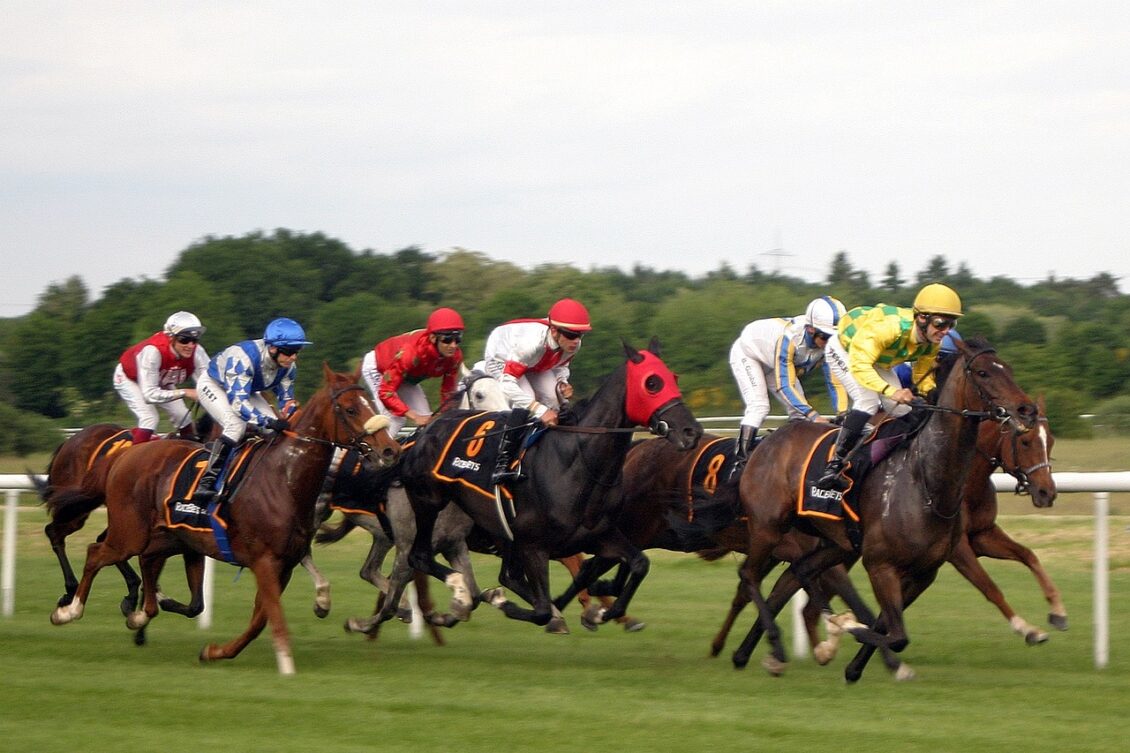
Wales might not be the first place that comes to mind when thinking of horse racing, but its impact on the sport in Britain is unmistakable. From historic courses tucked into rolling countryside to riders and trainers who have left their mark on major events, Welsh racing has a character all its own. The excitement for equestrian sport when it comes to both jump and flat racing has produced memorable moments that have become iconic in the UK racing scene/ By shaping careers and inspiring various local traditions, Wales has become an incredibly important nation when it comes to the history of horse racing. Whether fans are strictly interested in Cheltenham odds or are racing enthusiasts, it is important to understand the history of the sport and the impact nations like Wales have had.
Origins of Welsh Horse Racing
Horse racing in Wales stretches back centuries and was once a fixture of rural social life long before the professional sport we know today took shape. By the early 1800s, organised races had become more established in towns like Aberystwyth and Wrexham, which began to draw large crowds and competition from across the UK. These meetings were often never solely about the sport, and were a part of local fairs and gatherings, which brought the people together and built a community surrounding horse racing. Over time, point-to-point and flat meetings grew in popularity, establishing an enduring culture that embraced both the sport and the traditions that came with it.
Famous Welsh Racecourses
Wales is home to three major racecourses that showcase its contribution to the sport: Chepstow, Bangor‑on‑Dee, and Ffos Las. Chepstow is the host of the annual Welsh Grand National, which is one of the most difficult long-distance jump races in the entire UK calendar. Bangor-on-Dee racecourse dates back to 1859, and is one of the most unique tracks as a result of its picturesque setting. The Ffos Las course opened in 2009 on top of mining land, and was the first new National Hunt track that had been built in the UK for around 80 years. Together, these venues provide a blend of history and modern racing that draws fans and competitors alike.
Notable Welsh Jockeys
Wales has produced a remarkable array of jockeys and trainers whose names are woven into horse racing history. Jack Anthony famously won the Grand National three times in the early twentieth century and is honoured in the Welsh Sports Hall of Fame. Hywel Davies claimed victory in the 1985 Grand National and enjoyed a long career in UK racing before turning to broadcasting. Carl Llewellyn added two more Grand National wins and numerous other major successes before transitioning into training. Alongside them, figures like Dick Francis became icons not just for their skill in the saddle but for the wider cultural impact they made within the sport.
Welsh Horses That Shaped the Sport
While jockeys and trainers bring headlines, Welsh‑bred horses have also made important marks. One of the standouts is Dream Alliance, which is a Welsh-born horse that provides a story powered by public belief and a passion project that elevated a racehorse to national success in the sport. Welsh horses have participated in some major races in the sport for well over a century, competing in some of the biggest meetings and sometimes even outperforming British and Irish favourites. Although the sport’s top prizes are fiercely competitive, the presence of Welsh breeding and training in these contests highlights the depth of equine talent rooted in Cymru’s landscape.
Cultural Significance of Racing in Wales
Horse racing in Wales is not just about the elite competition, but is also a huge part of local life and celebrating culture. Rural festivals and meetings are a tool to bring communities together by blending various traditions with sports gatherings that have been passed down through generations. Trotting is also a huge part of the culture in towns like Llangadog and Tregaron, which is a way of highlighting the importance of equestrian culture beyond just racing. The sport is integrated into Welsh festivals and countryside traditions, which underlines the strong relationship between racing and the cultural scene in Wales.
Economic and Tourism Impact
Horse racing is an important part of local economies in Wales, bringing in visitors from across the UK and beyond. Some big events like the Welsh Grand National typically attract large crowds each year, which is massively beneficial to helping hotels, restaurants, and even shops in the local area. Some smaller race meetings and local festivals can also make a difference economically, providing employment opportunities and supporting the economy of smaller towns, especially during the busiest times of the racing season. The presence of modern facilities, such as those at Ffos Las, is increasingly beneficial to positioning Wales as a destination that can cater to racing fans and inspire a new audience to spectate and get involved with the sport.
Underage gambling is an offence. You must be over 18 years old to gamble.
Any form of gambling should always be fun, playing in a way that is right for you. It’s good to set limits, take time out or set up reminders.
Please gamble responsibly and in moderation.
For more information on the tools available to help to keep you safe or if you want advice or support you can call the National Gambling Helpline on 0808 8020 133 (England, Scotland and Wales or visit Gamblingtherapy.org).
