

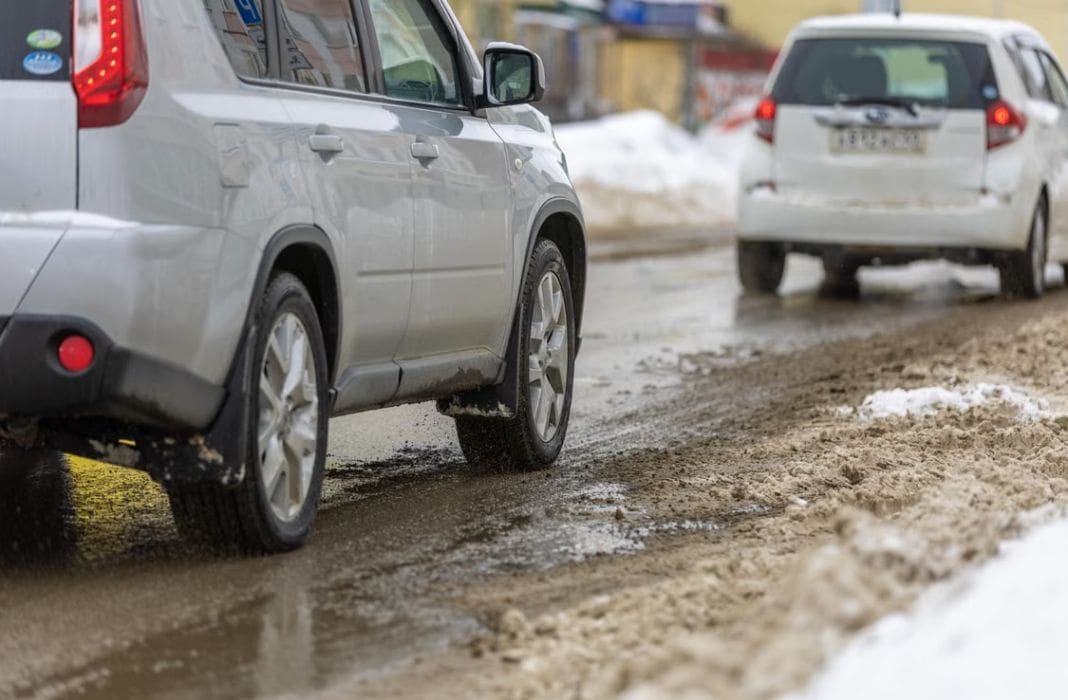
With autumn and winter likely to bring more rain, roads are set to become wetter and muddier. The UK weather is going to do more than just make your car look grubby, it also increases your risk of being fined.
It is a legal requirement for a vehicle’s registration plate to be clearly readable at all times, both to police officers and to automatic number plate recognition cameras. Drivers caught with an obscured plate can be fined £100 on the spot, rising to as much as £1,000 if the case goes to court.
With over 12,000 fixed camera sets and about 1,900 mobile ANPR units, according to the Government website, it is easy to be caught out.
Founder of GAP insurance provider ALA Insurance, Simon England, said: “With more rain expected over the coming weeks, we’d urge drivers not to overlook something as simple as a dirty plate. It only takes a build-up of road spray or mud for a plate to become unreadable, and that’s enough to land you with a fine.”
Country roads are often the worst culprits. Uneven surfaces, mud and potholes mean dirt builds up fast, and areas with naturally clay-heavy soil can be especially stubborn to shift. High-speed spray is another one to watch, according to Simon.
“Fast roads and motorways throw up a back-spray of oily, muddy rainwater that coats the plate before you’ve even noticed,” he explained.
Simon shares his top tips for keeping plates clean and readable during these wetter months:
“Loosen dirt and grit with water first, rather than wiping it dry, to avoid scratching the plate. By using a microfibre cloth as they are more gentle and won’t scratch or cause damage.”
“Avoid using harsh chemicals as they can sometimes damage the reflective coating on the plate, which ultimately affects the readability in the dark,” Simon said. “I would also recommend when the weather gets colder to check for cracks as the cold can weaken the plate and you wouldn’t want the plate to come off or snap.”
