


Are you planning to build a point-of-sale (POS) system, or already have one but struggling with scalability because technical issues are slowing you down? You might need to find a software development company specializing in POS system development. If you decide to outsource, here are a few critical things you should find out before hiring a software development partner.
Do They Have a Proven Track Record of Scaling POS Solutions?
This might seem obvious, and it’s often the first question asked, but it’s more important than you might think. Whether you’re representing an enterprise or a startup, ensure the company has experience building scalable POS systems. For startups in particular, it’s essential that your outsourcing partner understands the agile nature of building a minimum viable product (MVP) and how priorities can shift week by week.
Do They Deliver Code or Take Ownership of the Solution?
Do you just need someone to write code, or are you looking for a partner who dives deep into your business domain? The right POS software development company should take ownership of your project’s success, using technology to solve real business problems, not just deliver lines of code. You’re not hiring a code factory; you’re hiring a technology partner.
Are They Experienced in POS Hardware Integrations?
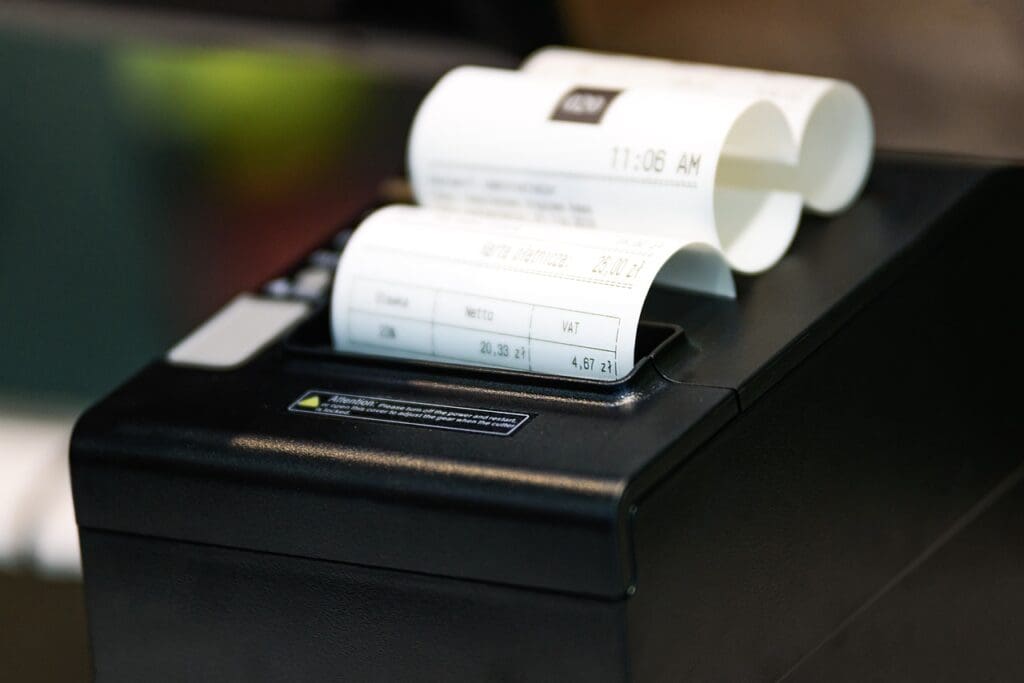
Modern POS systems must integrate with a range of hardware: thermal printers, payment terminals, label printers, self-service kiosks, tablets, and more. These devices must work together seamlessly without interruption, especially in high-pressure environments like retail checkouts or busy restaurant kitchens. Make sure your development team has experience working with hardware from brands like Sunmi, Zebra Technologies, and others.
Do They Know How to Integrate with Third-Party Providers?
Hardware integration is just one part of the puzzle. A scalable POS system must also connect seamlessly with third-party services like payment gateways, food delivery platforms, and inventory management tools. Whether it’s integrating with Stripe or Adyen for payments, or connecting to platforms like Uber Eats, Just Eat, or Wolt, your development partner should have hands-on experience building and maintaining these integrations. Robust API handling and real-time data syncing are essential for delivering a smooth and connected experience to your end users.
Do They Gather and Analyze User Data?
Your development team should know how to collect user feedback without interrupting workflows. Instead of relying on long surveys, they should be able to leverage tools like Firebase, PostHog, Microsoft Clarity, and Grafana to understand user behavior and visualize usage data. This is critical for improving UX and optimizing the system continuously.
Do They Design for Speed and Efficiency – Not Just Aesthetics?
POS systems are tools used by busy staff, not showcases for animations and fancy graphics. Your designers should focus on speed, efficiency, and usability. From the very beginning, they should understand your user persona and design interfaces tailored for their needs, based on real user data, not assumptions.
The Real Challenge: Finding Experts Who Look Beyond the Code
The biggest challenge isn’t just finding developers, it’s finding technical experts who understand the why behind the code. If you’re struggling with POS scalability, consider working with Bright Inventions. Based in Poland, they’ve been developing and scaling point-of-sale solutions for over a decade, combining deep technical knowledge with a strong business mindset to help companies grow with confidence.
