

Buying or renovating an older property in Wales often means peeling back decades of history. Under the carpet and lino, you may find hard, square tiles that have sat quietly since the 1960s or 1970s. Many of these are harmless. Some are not.
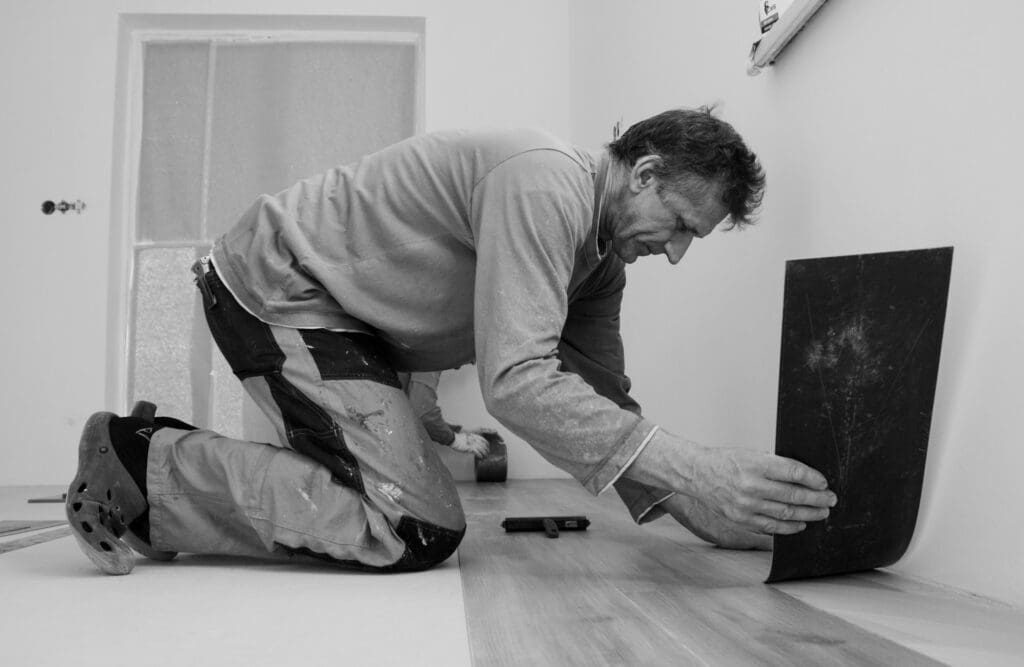
Asbestos was mixed into millions of floor tiles across Britain before it was banned in 1999. If your home predates 1980, there is a real chance the flooring contains it. Learning about the different types of asbestos floor tiles, and how they behave, helps you plan work that keeps your family safe.
Why Were Asbestos Floor Tiles So Common?
Builders loved asbestos for good reasons. It was cheap, hard-wearing, and resistant to heat, water, and chemicals. Mixed into vinyl or thermoplastic tiles, it made a floor that could survive heavy footfall for 40 years or more.
These tiles were fitted everywhere. You find them in kitchens, hallways, garages, and utility rooms of homes built or updated between 1950 and 1985. The black bitumen adhesive used to stick them down often contained asbestos too.
Post-war housing needed floors that were quick to lay and cheap to buy. Vinyl asbestos tiles ticked both boxes. A single box of 44 tiles could cover a small kitchen in an afternoon, which suited both builders and thrifty homeowners.
If you are planning a home renovation, the age of the property is your first clue. A house that has never been fully modernised is far more likely to hide these materials under later flooring.
How Can You Spot Asbestos Floor Tiles?
You cannot confirm asbestos by sight alone. Only a laboratory test gives a certain answer. Still, a few features raise a red flag.
Classic asbestos floor tiles are often 9 inches square, though 12-inch versions exist too. They tend to be thick, brittle, and slightly dished at the corners. Darker colours such as brown, dark red, grey, and black were common, and the tiles snap rather than bend.
Look at the glue as well. A thin layer of black, tar-like mastic under the tile is a warning sign. If tiles are cracked or crumbling, treat them as suspect and stop work until you know more.
What Makes These Tiles Dangerous During Renovation?
Intact tiles sitting under your feet pose little risk. The danger starts the moment you disturb them. Sanding, drilling, cutting, or smashing a tile can release microscopic fibres into the air.
Once airborne, those fibres are easy to breathe in and impossible to see. Years later they can cause serious lung disease, including asbestosis and mesothelioma. The Health and Safety Executive explains why asbestos is dangerous and how exposure builds up over time.
Renovation is exactly when this goes wrong. A homeowner lifts old flooring with a scraper, breaks a few tiles, and fills the room with dust. That single afternoon of work can create a hazard that lingers.
The risk is not tied to one big exposure. Asbestos illnesses often follow repeated contact spread over months or years. This is why tradespeople who worked with the material for decades face the highest odds, and why casual DIY still deserves respect.
What Should You Do Before Lifting a Single Tile?
Slow down before you start. The safest first move is to test, not guess. A licensed surveyor can take a small sample and send it to a lab for around £30 to £50 per sample.
Never sand, cut, or break a tile you suspect. Do not use a power sander on old adhesive. If the tiles are damaged, seal off the room and keep children and pets away until you have advice.
When removal is needed, use a licensed contractor for anything beyond a small, well-bonded area. They will bag the waste correctly and follow the hazardous waste disposal rules that govern how asbestos must be handled. You cannot simply put these tiles in the household bin.
Many homeowners across Wales are now rethinking building work and booking a survey before any demolition begins. That order matters. A survey costing under £200 can save you from a far larger clean-up bill later.
Quick Checks for Suspect Flooring
Run through this short list before you touch any old floor:
- Note the age of the house; anything before 1985 deserves caution.
- Measure the tiles; 9-inch squares are a classic sign.
- Check the colour and feel; brittle, dark tiles are higher risk.
- Inspect the adhesive for black, tar-like mastic underneath.
- Book a lab test rather than trusting your eyes.
- Keep the area sealed and undisturbed until results arrive.
Renovating an Older Welsh Home Safely
Asbestos floor tiles are a common feature of older homes, not a reason to panic. Left alone and in good condition, they rarely cause harm. Trouble comes from careless disturbance during a rushed renovation.
Test first, avoid breaking anything, and bring in a licensed professional when in doubt. A short delay of 3 or 4 days for a survey is a small price for peace of mind. Keep any paperwork from the test, as future buyers may ask for it. Your project can then move forward on solid, safe ground.
Frequently Asked Questions
Can I Remove Asbestos Floor Tiles Myself?
Small areas of well-bonded tiles can sometimes be removed by a competent homeowner with the right protection. Even so, testing first is wise. Anything cracked, large, or stuck with black mastic is best left to a licensed contractor.
Are Asbestos Floor Tiles Dangerous If Left Alone?
Undamaged tiles in good condition release very few fibres and pose a low risk. The hazard rises sharply once you cut, sand, or break them. Sealing or covering them is often safer than removal.
How Much Does Asbestos Floor Tile Removal Cost?
Costs vary with the size of the job. A single room might cost £300 to £800 to clear and dispose of safely. A full house can run into several thousand pounds, so get 2 or 3 quotes.
When Were Asbestos Floor Tiles Banned In the UK?
Blue and brown asbestos were banned in 1985, and white asbestos followed in 1999. Any home built or refurbished before those dates may still contain tiles made with these materials.
