


Homeowners invest time and resources into crafting cozy interior environments. Plush furniture, modern temperature controls, and ambient lighting dominate standard renovation plans. Liquid flowing through invisible domestic plumbing receives less attention. Addressing household water condition is a step toward complete residential functionality.
Knowing What Flows Through Domestic Pipes
Tap water carries invisible elements that influence everyday domestic routines. Planning a professional water softener installation transforms raw supply line mechanics into smoother living conditions. Clean flow protects modern households from subtle, cumulative issues in kitchen and bathroom spaces.
Over 13 million properties handle hard or very hard water supplies daily. Heavy mineral content moves silently through main lines into every faucet and connection. Ignoring this continuous influx leads to gradual compounding complications inside domestic infrastructure. Unfiltered flow affects internal pipe linings, heating loops, and delicate appliances.
Local supply characteristics empower property owners to make informed infrastructure decisions. Tailoring treatment methods addresses specific mineral challenges present in regional water lines. Routine monitoring guarantees consistent flow quality when seasons change.
Unseen Mineral Content In Household Supplies
Dissolved chalk and limestone content depend on local geographical formations. Official figures published highlighted that rich mineral deposits of calcium and magnesium affect 60 percent of households. High concentrations of these ground minerals define what technical standards classify as hard water.
When tap water heats up or evaporates, these dissolved minerals separate from the fluid. They form solid crusts that cling tightly to metal, glass, and ceramic surfaces. Thin coats transform into dense, rock-like sheets that resist standard household cleaners. Stony deposits coat internal kettle walls, boiler heat exchangers, and shower glass.
Protecting Household Appliances From Scale Accumulation
Heavy mineral accumulation drops average appliance longevity by up to 30 percent. Internal heating coils suffer maximum damage when hard minerals encrust their metal surfaces.
Scale deposits construct an insulating barrier around core operating mechanisms. The crust prevents thermal energy from transferring cleanly into liquid, causing components to overheat.
Repeated thermal stress weakens internal wiring, leading to premature mechanical failures and expensive replacements. Proper conditioning keeps heating elements clean and reduces operational stress across motor drives.
Routine appliance upkeep becomes easier when underlying liquid issues are resolved at the entry point. Dishwashers run smoother cycles without chalky residues settling on delicate glassware and heating plates. Laundry equipment maintains factory performance standards and uses less energy per cycle.
Heating System Performance And Energy Usage
Boilers and hot water cylinders form the functional heart of domestic heating networks. Scale build-up measuring just 1.6mm inside heating pipework can slice boiler output efficiency by up to 12 percent. Restricting heat transfer forces boilers to operate far longer to maintain target indoor temperatures.
Keeping heating elements entirely scale-free reduces household energy costs during cold winter months. System pumps must push against narrowed pipe diameters caused by mineral buildup. Clear circulation routes maintain peak system efficiency and keep fuel consumption low when heating demands spike.
Consistent heat distribution on radiators and underfloor systems relies on clean circulation loops. Scale accumulation creates cold spots in heating panels and forces central systems to run continuously. Eliminating internal scale restores uniform heating performance in every room in the property.
Managing Household Cleaning Expenses
Hard minerals interact with household chemical formulas, suppressing lather creation. Property owners in hard water zones spend an estimated £200 extra every year on specialized cleaning agents and soaps. Soap molecules bind with calcium ions to form sticky curds instead of rich foam.
Households end up doubling detergent doses just to achieve standard washing results. The resulting soap scum leaves stubborn grey residue across glass shower screens, porcelain sinks, and wall tiles. Eliminating hard minerals reduces the volume of chemicals needed to maintain pristine living environments.
Rinsing surfaces becomes faster when hard minerals are removed from tap supplies. Bathroom tile grout remains white and free of dark scum rings that require aggressive chemical treatment. Cleaner rinsing reduces manual scrub time during weekly domestic chores.
Preserving Bathroom Fixtures And Internal Plumbing
Chrome fittings and ceramic basins represent major cosmetic investments in modern bathrooms. Filtered and conditioned water prolongs fixture operational life and guards against expensive pipe repairs. Untreated minerals corrode rubber seals, clog showerhead nozzles, and dull polished metal finishes.
Aggressive mineral deposits erode internal valve cartridges, which result in persistent drips and leaks. Restoring damaged plumbing breaks through decorative tile work or replaces entire fixture assemblies. Preventing mineral build-up preserves structural integrity throughout indoor water networks.
- Showerheads retain steady water pressure when spray holes remain free of mineral blockages
- Mixer tap valves maintain smooth handles without gritty mineral friction destroying internal seals
- Polished chrome surfaces maintain clear mirror reflectivity without harsh descaling scrubbing
Daily Personal Comfort And Skin Health
Water quality affects personal grooming routines and physical comfort. Bathing in hard water strips natural oils from skin and leaves surface layers dry and irritated. Hair washes in mineral-dense water leave strands feeling coarse, stiff, and difficult to style.
Conditioned water allows body washes and shampoos to rinse away completely without friction. Skin retains natural moisture barriers and reduces reliance on heavy corrective lotions after showering. Softened water delivers a luxurious, spa-like experience during everyday washing routines.
Long-Term Financial Advantages For Homeowners
Addressing water hardness generates financial savings in multiple budget categories. Lower monthly energy bills combined with extended appliance life spans offset initial setup expenses. Reduced spending on cleaning supplies and plumbing maintenance provides steady ongoing savings year after year.
Maintaining clear pipework protects long-term residential equity by preventing hidden leaks behind walls. Future buyers recognize well-maintained plumbing systems as property assets during home sales. Investing in water quality secures total household infrastructure and improves daily living comfort.
Simple Steps Toward Superior Water Management
Evaluating the local tap water profile is the starting point for effective home care. Testing kits measure exact mineral concentration levels, helping homeowners select appropriate filtration systems. Understanding specific water hardness ratings enables tailored choices for laundry settings and appliance care routines.
Modern inline conditioning units integrate into primary inlet lines with minimal disruption. Professional installation secures consistent performance across every tap, appliance, and shower in the residence. Taking control of indoor water quality upgrades every aspect of domestic life effortlessly.
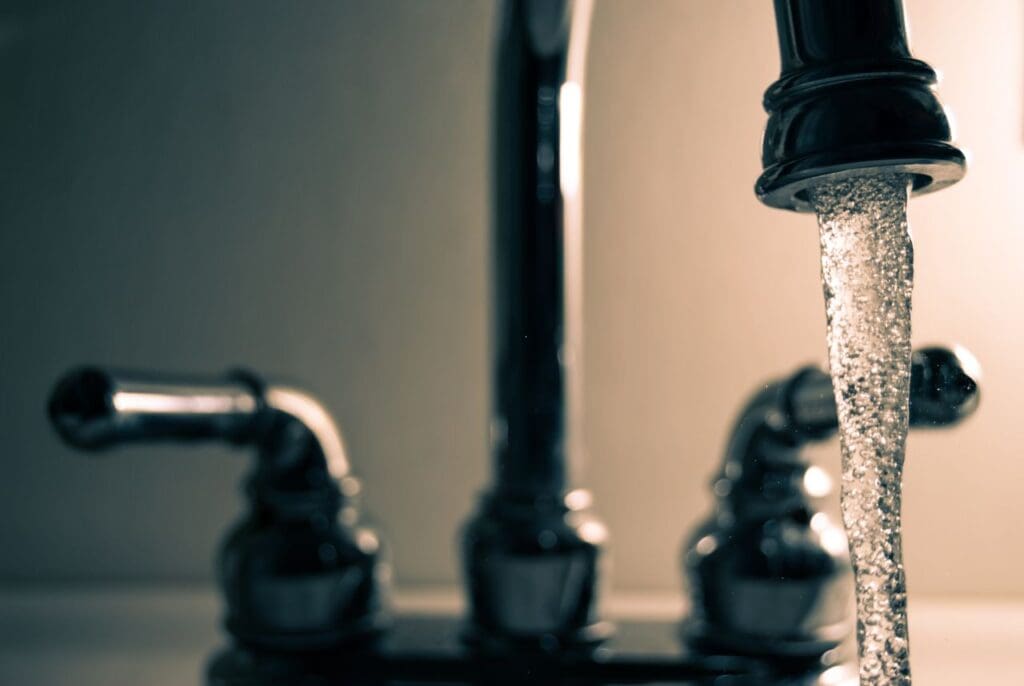
Water maintains residential comfort, efficiency, and structural integrity. From prolonging appliance lifespan to improving daily bathing comfort, managed water flow delivers immediate improvements to the home. Prioritizing clear liquid mechanics protects valuable household investments.
