Close Menu
    Facebook X (Twitter) Instagram
    Wales 247
    • Cymru
    • FindMyTown
      • South East Wales
      • South West Wales
      • Mid & West Wales
      • North East Wales
      • North West Wales
    • Business
    • Education
    • What’s On
    Facebook X (Twitter) LinkedIn
    • Senedd 2026
    • Cardiff
    • Swansea
    • Charity
    • Motoring
    • Got a story?
    • Advertise
    • Property
    • Cornered
    • Life
    Wales 247
    Home » Seals reveal age of Antarctic water for first time
    Ceredigion

    Seals reveal age of Antarctic water for first time

    Rhys GregoryBy Rhys GregoryJuly 2, 2024No Comments
    Share Facebook Twitter Copy Link LinkedIn Email WhatsApp
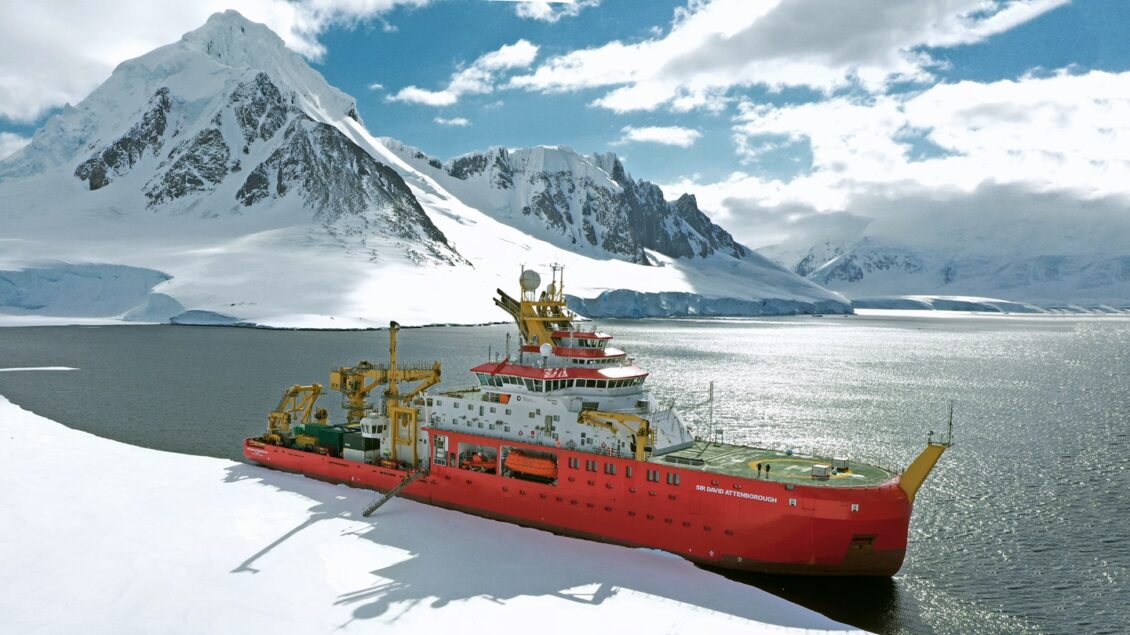
    RRS Sir David Attenborough research vessel, photo credit Jenna Plank, British Antarctic Survey.
    Share
    Facebook Twitter LinkedIn Pinterest Email Copy Link

    The age of water in the Antarctic is being revealed by seals for the first time.

    Aberystwyth University researchers are beginning to receive satellite data from seals showing how much oxygen is contained in the region’s water – a way of measuring its age and where it comes from.

    Part of an international effort to understand the effects of climate change in polar regions, this data is being used to see how water circulation is changing and its effects on glaciers.

    How far and how fast the warm current flows under the Antarctic glaciers, thawing them underneath, will affect how quickly they retreat.

    Their disappearance could lead to a catastrophic rise in sea level – leaving major coastal settlements across the world underwater.

    Earlier this year, Dr Gui Bortolotto from Aberystwyth University located and tagged seals in the Antarctic on the RRS Sir David Attenborough research vessel, as part of Project PICCOLO.

    He is now receiving daily satellite data tracking the seals’ movements across the North-eastern portion of the Weddell Sea and assessing changes in water circulation in the region.

    If more water is being drawn in from outside the Antarctic, it could be a sign that the ocean will warm faster.
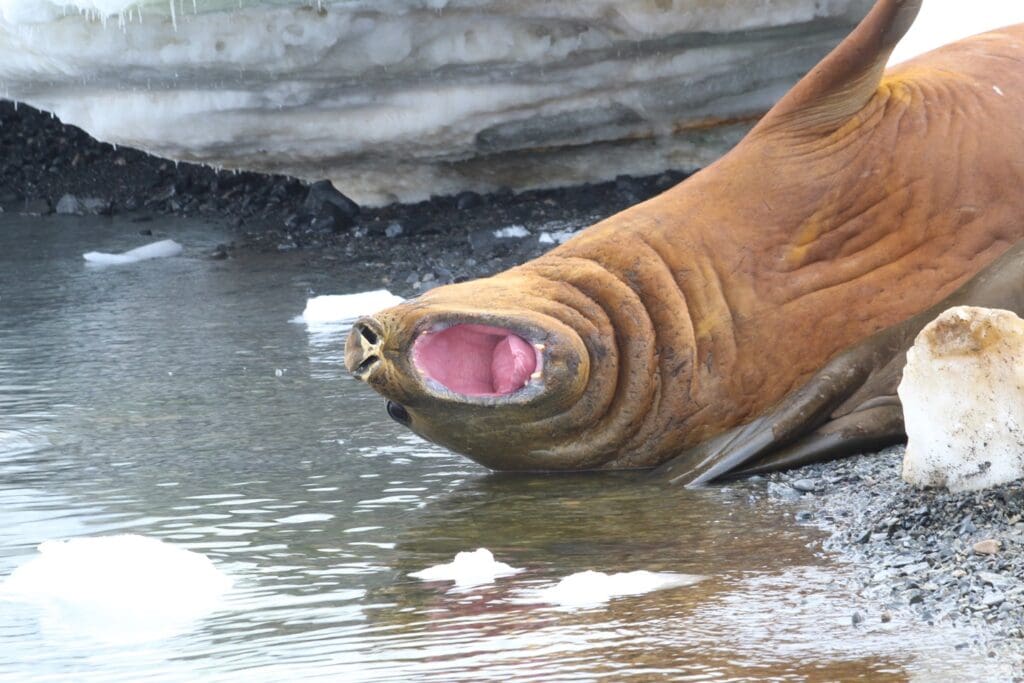
    Seal

    Dr Gui Bortolotto from Aberystwyth University said:

    “We know that the ice in the Antarctic is melting and that the sea level is going to rise over time. Climate change is happening, but the way it changes is key to predicting the speed of the process.

    “The data that comes back from the seals tells us how much oxygen it contains and its age. It also tells us the extent to which the water circulation is changing. The amount of water coming into the Antarctic from other oceans has a big impact on the speed at which the glaciers thaw – and that has big implications for us all.”

    Even with advanced equipment, it can be very difficult to measure deep water features in Antarctica – especially under the ice.

    However, elephant and Weddell seals regularly swim through the very waters scientists wish to monitor – regularly diving to depths of over 1000 metres.

    Dr Bortolotto added:

    “Understanding the changes in these oceans, including the warming of specific regions, is a vital part of giving policy makers the tools to limit and mitigate the climate crisis. Seals are precious and beautiful creatures and it’s a privilege to work with them. They are like a special, crack research team – reaching places that even our most advanced technology cannot.

    “I am particularly interested in investigating different things about the ecology and behaviour of those seals, such as dive characteristics and the places they prefer to go. Their swimming will hopefully help the world understand the serious impact climate change is having on our planet.”

    The PICCOLO research project is funded the Natural Environment Research Council.

    Aberystwyth
    Follow on Facebook Follow on X (Twitter) Follow on LinkedIn
    Share. Facebook Twitter LinkedIn Email WhatsApp Copy Link
    Avatar photo
    Rhys Gregory
    • X (Twitter)
    • Instagram
    • LinkedIn

    Editor of Wales247.co.uk

    Related Posts

    Wrexham student heads to Glasgow to pursue AI ambitions

    August 28, 2026

    Welsh electric car club scheme grows to more than 500 members

    August 28, 2026

    Aberystwyth prepares to welcome record Rali Ceredigion field

    August 28, 2026

    Comments are closed.

    Latest News in Wales

    Wrexham student heads to Glasgow to pursue AI ambitions

    August 28, 2026

    Activate West Wales seeks three new board members

    August 28, 2026

    Cancer Research Wales to open new shop in Caerphilly

    August 28, 2026

    Neath Great Fair returning for five days of family fun

    August 28, 2026

    Major playground transformation unveiled in Neath Port Talbot

    August 28, 2026

    Free family eco festival returning to Newport this autumn

    August 28, 2026

    Welsh electric car club scheme grows to more than 500 members

    August 28, 2026

    Cardiff lawyers appointed to national leadership roles at Blake Morgan

    August 28, 2026

    Cardiff Half Marathon calls on community groups to join race day

    August 28, 2026

    New partnership helps domestic abuse survivors return to work

    August 28, 2026
    Follow 247
    • Facebook
    • Twitter
    • YouTube
    • LinkedIn

    247 Newsletter

    Sign up to get the latest hand-picked news and stories from across Wales, covering business, politics, lifestyle and more.

    Wales247 provides around the clock access to business, education, health and community news through its independent news platform.

    Email us: [email protected]
    Contact: 02922 805945

    Facebook X (Twitter) YouTube LinkedIn RSS
    More
    • What’s On Wales
    • Community
    • Education
    • Health
    • Charity
    • Cardiff
    • Swansea
    Wales Business
    • Business News
    • Awards
    • Community
    • Events
    • Opinion
    • Economy
    • Start-ups
    • Home
    • About
    • Advertise
    • Picture Desk
    • Privacy
    • Corrections
    • Contact
    © 2026 Wales 247.

    Type above and press Enter to search. Press Esc to cancel.