

You do not think about a carpet until a splash of coffee or a muddy boot print calls attention to it.
When that happens, many people reach straight for a stiff brush, yet a handful of good habits will prevent fibre damage and cut cleaning time in half.
Before you decide whether to vacuum, blot, or deep clean, it is worth understanding the basics of carpet cleaning in London and the soot-laden city dust that settles between the tufts.
The tips below focus on what homeowners can safely do themselves and when to bring in a professional.
Regular Vacuuming Routine
London foot traffic tracks in grit, exhaust residue, and invisible pollutants every day, so a disciplined vacuum schedule is the first defence against premature fibre wear and dull colours.
Choose a Capable Machine
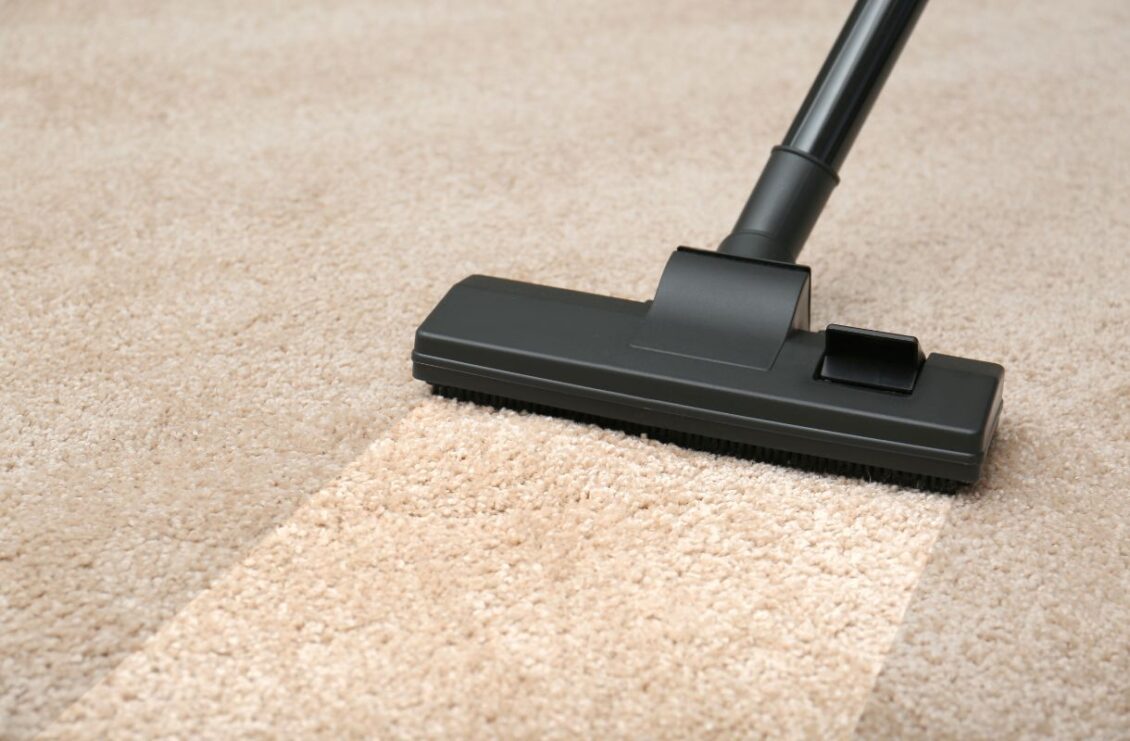
Look for a vacuum with strong suction, a rotating brush bar, and a sealed HEPA filter. That combination removes embedded dirt while trapping allergens instead of redistributing them.
Follow a Consistent Schedule
Vacuum high-traffic areas such as hallways and lounges three times a week and other zones once a week. Slow, overlapping passes allow the brush bar to agitate every tuft thoroughly.
Detail the Edges Monthly
Dust collects where the carpet meets the skirting boards. Snap on the crevice tool once a month to prevent the build-up of the dark line that is so hard to remove later.
Spot-Clean Spills Quickly
The faster a liquid is blotted, the less chance it has to bond with carpet dye sites or trigger persistent odours.
- Blot, do not scrub. Press a white towel on the stain from the outside in to lift moisture rather than push it deeper.
- Use a neutral solution. Mix one teaspoon of mild dish soap with 250 ml of warm water, dab gently, then rinse with plain water to avoid sticky residues.
- Treat tannin stains fast. Coffee, tea, and red wine respond to diluted white vinegar. Lightly spray, wait one minute, then blot until the towel stays clean.
- Freeze chewing gum. Hold an ice cube on the gum, chip off the hardened pieces, and vacuum the fragments.
- Call professionals for stubborn marks. If spices or ink remain visible, book help to avoid setting the stain permanently.
Finish by placing a folded paper towel on the damp patch, weigh it down with books, and let it work out overnight to prevent watermark rings.
Use Baking Soda as a Deodoriser
Baking soda neutralises most household odours without heavy perfumes.
- Sprinkle a light, even layer through a flour sifter.
- Add eight drops of lavender or lemon oil per cup of soda for a mild scent.
- Work it in with a dry microfibre mop so the powder reaches below the visible surface.
- Allow at least two hours of contact time, or leave it overnight for best results.
- Vacuum slowly in two directions to remove every grain.
Invest in or Hire a Carpet Cleaner
Owning or renting a domestic extractor lets you deep clean on your own schedule and can extend carpet life when used correctly.
Understand Hot-Water Extraction
Warm water, detergent, and immediate suction flush soil and allergens. Expect drying to take four to six hours in a well-ventilated room.
Purchase versus Hire
Pet owners and frequent entertainers often save money by buying a unit, while occasional users may prefer hiring from a local merchant.
Select the Right Detergent
Use a low-foam, manufacturer-approved formula. Supermarket shampoos that are not designed for machines can leave sticky residues that attract fresh dirt.
Plan for Rapid Drying
Open windows, turn on fans, and maintain room temperature around twenty degrees Celsius. Air movement, not heat alone, accelerates evaporation.
If you are unsure whether hot-water extraction, low-moisture encapsulation, or dry compound cleaning suits your fibre type, compare methods on which carpet cleaning method is best.
Rotate Furniture Regularly
Heavy furniture compresses fibres and can leave permanent dents.
Quarter-turn Rugs or Sofas
Every three months, move a sofa a few centimetres or rotate an area rug ninety degrees so foot traffic distributes evenly.
Add Felt Pads
Stick felt protectors under furniture legs before sliding items. They reduce friction and protect both carpet and hard floors.
Lift Flattened Pile
Hold the spout of a kettle that has just boiled about ten centimetres above the dent, allow light steam, tease fibres upright with a blunt fork, then vacuum.
Install and Maintain Door Mats
A quality mat can stop up to 80 percent of incoming grit.
- Choose a dual-stage mat. A coarse fibre outer layer scrapes dirt, while an absorbent inner layer captures moisture.
- Match the size to your doorway. Three shoe-steps of length help ensure each foot makes full contact.
- Clean mats weekly. Shake them outdoors, then vacuum both sides.
- Add a boot tray. Wet wellies stay on the tray, not the carpet.
- Encourage compliance. A polite sign or a basket of guest slippers works wonders.
Check for Urine Spots
Puppies, elderly pets, and toddlers can leave invisible protein stains that later smell worse in warm weather.
Use a Black Light
Turn off room lights at dusk and sweep a handheld UV torch across the floor. Mark glowing areas with painter’s tape.
Apply an Enzyme Cleaner
Enzyme solutions digest uric crystals. Saturate the area, cover with cling film to keep the spot damp, and leave for at least eight hours.
Rinse and Extract
Flush with warm water and blot, or extract with your machine to remove residue.
Neutralise Odour
Finish with a 50-50 mist of white vinegar and water. As the vinegar evaporates, it alters the pH so pets are less likely to notice the spot.
Keep Habits Consistent
Small, regular actions achieve the most noticeable results. Store cleaning tools where you can reach them quickly, act fast on spills, and ventilate rooms after every cleaning session. By following these steps you will preserve colour, texture, and indoor air quality while delaying the day you must replace the carpet entirely.
