

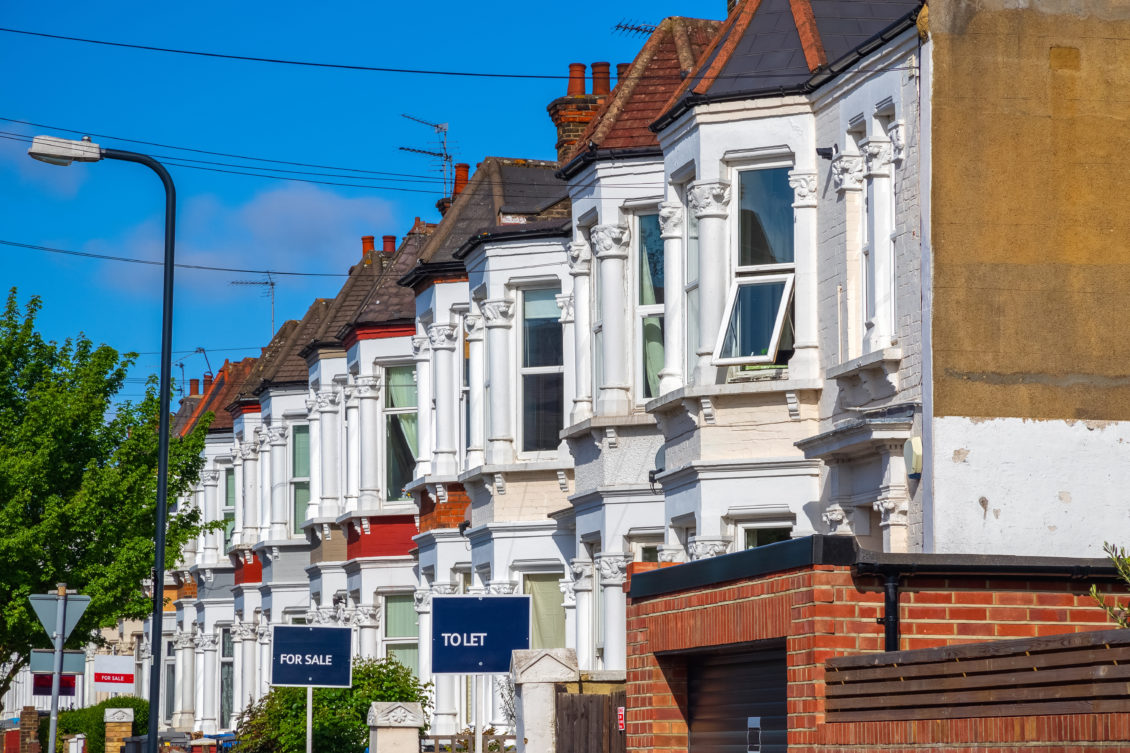
Welsh homes often struggle with a lack of natural light, a challenge amplified by the country’s northern latitude and frequently overcast skies. Many traditional Welsh properties feature small windows and deep floor plans that leave interior spaces feeling perpetually dim and unwelcoming. This darkness can influence the visual appeal of living spaces and may affect how residents feel in their homes.
Even minor daylight improvements such as swapping heavy curtains for blinds that fully clear the window, repainting ceilings and key walls with high light reflectance value (LRV) paint, or adding a strategically placed mirror can make a clear difference in how spacious and connected a room feels. These methods work because they reflect available natural light further into interiors.
Why Welsh Homes Often Lack Natural Light
Traditional Welsh architecture presents unique challenges for natural light. Many older Welsh homes were built with small windows, partly due to historical glass taxes and partly for thermal efficiency in the cool Welsh climate. These small openings, combined with deep floor plans common in terraced houses, create interior spaces where daylight struggles to reach beyond the rooms directly adjacent to windows.
The Welsh weather adds to this issue. Wales is known for experiencing higher levels of rainfall and cloud cover compared to other parts of the UK, especially in western regions.
Welsh terraced houses, particularly those built during the industrial boom of the 19th century, often feature narrow frontages with limited window space. Their deep floor plans mean that middle rooms can be particularly dark, relying entirely on artificial lighting even during daylight hours.
Simple Structural Changes That Maximise Daylight
Installing roof lanterns or rooflights remains one of the most effective ways to brighten dark Welsh homes. These overhead glazing features draw sunlight from above, reaching areas where vertical windows struggle. Skylights can provide much more light compared to standard windows. Daylight Systems provides options suitable for both traditional cottages and contemporary extensions.
Choosing Between Roof Lanterns and Flat Rooflights
Roof lanterns and flat rooflights distribute light differently within a space. Lanterns spread light across a wider area and create a more dramatic architectural feature, while flat rooflights provide a more concentrated pool of light directly beneath. The choice depends on both practical needs and the architectural style of a Welsh home.
Traditional Welsh cottages with pitched roofs often benefit from roof lanterns that suit their classic appearance. More modern Welsh properties or flat-roofed extensions can be better suited to sleek, frameless rooflights that offer a minimalist look.
Energy efficiency matters in the Welsh climate. Modern glazing systems offer excellent thermal performance, with U-values as low as 1.0 W/m²K, which helps prevent heat loss during cold Welsh winters. This represents a clear improvement over older skylights that often caused cold spots and condensation problems. For detailed specification guidance and performance ratings, homeowners can consult independent building resources and technical guides.
The wet Welsh climate means daylighting solutions need reliable weatherproofing. Quality systems include effective drainage channels, condensation control, and durable seals built to withstand years of weather. Regular maintenance typically involves simple cleaning and occasional inspection of seals. This small amount of effort brings lasting improvement for dark Welsh homes.
Non-Structural Daylight Adjustments
Replacing solid internal doors with glazed alternatives allows light to move between spaces. For privacy concerns, frosted glass offers a good compromise. Technical information on light transmission and interior glazing is available from various architectural resources.
Updating window finishes can also help create a brighter, cleaner look. Well fitted MDF window boards provide a smooth, reflective surface that complements modern decorating schemes and helps maximise the visual impact of natural light around the window.
Window treatments play a key role in managing light. Treatments which clear the window entirely when open allow significantly more light compared to heavy curtains that partially obstruct the glass, even when drawn open.
Making the Most of Light Reflection With Colour
Light Reflectance Value (LRV) measures how much light a surface sends back into the room. For Welsh homeowners hoping to increase natural light, these measurements help with paint choices. Higher LRV numbers indicate greater light reflection, with white typically measuring 85-95 LRV and dark colours often below 10.
Ceilings painted with ultra-white paints above 90 LRV provide the most effective light-reflecting surface in a room. Walls benefit from colours in the 60-80 LRV range, which bounce back considerable light while still providing visual warmth. Floors with LRVs between 30-50 balance practical needs with light-boosting qualities. Paint manufacturers and interior design guides offer resources on using LRV values for daylight optimisation.
The traditional colour schemes of Welsh homes often suit regional light conditions. Soft, cool whites and pale creams work well in north-facing rooms, as noted in technical advice from various UK heritage and design guides.
The most budget-friendly painting strategy focuses on ceilings first, as they reflect light downward into the living space. A single coat of high-LRV ceiling paint can brighten a room for a relatively low cost.
Measurable Benefits of Improved Daylighting
Improving daylight in homes can help reduce the need for artificial lighting, supporting lower energy consumption during daylight hours. Guidance on energy consumption in UK homes is available from government and energy advisory sources.
Many UK homes are assessed for daylight levels to ensure comfort and wellbeing. Some consultations have found that a significant proportion of rooms meet recommended daylight standards.
