

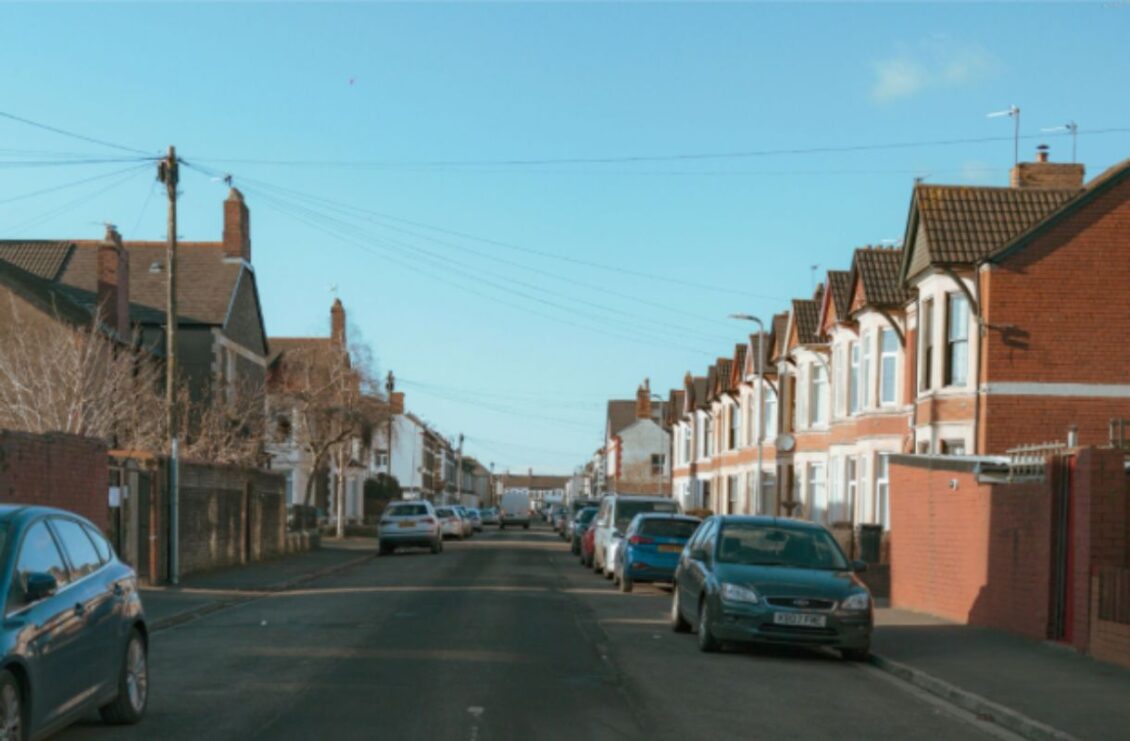
Rental change is showing up in cleared homes
Across Cardiff, Bridgend, Newport, Caerphilly, Pontypridd and the wider South Wales region, a quiet pattern has emerged in the local property market.
Smaller landlords are exiting. Larger portfolios are refreshing stock. Between the two, clearing, ripping out and turning over rental properties has become one of the busiest corners of the residential property economy.
In 2026, landlord-led clearance and refurbishment work across South Wales is sitting at one of its most active points in recent memory. The reasons are structural, and they point to where Welsh private rented housing is heading.
Regulation is feeding into property turnover
Welsh Government guidance confirms that the Renting Homes (Wales) Act 2016 created a distinct rental framework from December 2022, including occupation contracts, contract-holder rights and new expectations around property condition.
The wider UK private rented sector is also adjusting to the Renters’ Rights Act 2025, while EPC expectations continue to pressure older rental homes. Welsh Government council tax guidance also confirms that premiums on long-term empty homes and second homes can reach up to 300% where local authorities choose to apply them.
Every landlord exit, tenancy change and refurbishment creates the same requirement: properties must be cleared before the next stage.
For South Wales waste and clearance specialists, the pattern has been clear. MorgsMoves Waste Removal, a Pontyclun-based registered waste carrier covering Cardiff, Rhondda Cynon Taf, Bridgend, Pontypridd, Caerphilly, Newport, Barry, Llantwit Major, Aberdare and surrounding areas, has reported a sustained rise in landlord-driven South Wales waste removal, house clearance and non-structural rip-out work over the past 18 months.
Several pressures are driving the workload
Landlords are responding to regulation, finance, property condition, and portfolio strategy simultaneously.
Some homes need upgrades to remain suitable for long-term letting. Others need clearing before insulation, glazing, heating improvements or wider refurbishment. Some smaller landlords are also reviewing whether to sell.
In Cardiff’s student areas and parts of Newport’s rental market, HMO refreshes and non-structural rip-outs remain steady sources of work. Across older stock, turnover often means furniture, white goods, garden waste and rubbish must be removed before trades can start.
Bereavement and life-transition clearances add another layer, particularly in areas with ageing owner-occupier and landlord profiles.
Why vans are often winning over skips
Skip hire still suits larger projects, but not every South Wales street or rental property.
Terraced layouts, narrow Victorian and Edwardian roads, limited parking and local permit requirements can make skip placement awkward. Even when a skip can be arranged, someone still has to load it.
Man-and-van clearance has grown because it includes labour as well as removal. Mixed loads can be lifted, sorted where needed and taken away by a registered waste carrier, often within a tighter window than a multi-day skip hire arrangement.
That matters between tenancies, where clearance affects cleaners, decorators, trades, viewings and rental income.
Waste compliance is now part of property risk
Natural Resources Wales advises that people and businesses producing, carrying, keeping, treating or disposing of waste have legal responsibilities under duty-of-care rules.
In Wales, householders must check that someone has a licence to take away their waste. Landlord-generated waste, where produced through business activity, can also require waste transfer documentation.
Natural Resources Wales regulates waste carrier registration and provides an online register for checks. Fly-tipping enforcement means waste holders can face questions if their items are later found dumped.
For landlords, records of clearance, carrier status and transfer notes are becoming part of sensible property management.
MorgsMoves sees the trend across South Wales
Morgan Davies, Owner of MorgsMoves Waste Removal, said landlord-led clearance has become one of the most consistent patterns in its workload.
“Landlord-driven clearance work has been one of the clearest demand trends we’ve seen across South Wales over the past 18 months. Cardiff, Bridgend, Newport and Caerphilly are all seeing it visibly.
“A lot of it is not single-property work. It is portfolio refreshes, tenancy turnovers, EPC-driven refurbishments and landlords exiting the market after years of holding.
“What we are hearing is that the regulatory and operational burden has shifted. Welsh landlords need clearance done quickly, documented properly and routed through registered waste carriers.
“The biggest change is not just volume. It is the expectation around responsible disposal, paperwork and integrating clearance into wider refurbishment programmes.”
Practical checks before clearing a property
For landlords and homeowners, the first step is to verify the waste carrier through the Natural Resources Wales online register.
Landlords should ask whether waste transfer notes are available where required, especially where clearance forms part of business-related property activity. Photos, access details, postcode and an honest load description can also speed up quoting.
Pre-sorting can help where practical. Heavy items, garden waste, renovation debris and general household waste can affect load size, weight and disposal routes.
Clearance should be planned into tenancy turnover rather than treated as the final errand. It often comes before repairs, cleaning, decorating and marketing.
Clearance crews are reading the market first
South Wales’ clearance and waste removal sector has quietly become one of the most accurate indicators of where the Welsh private rented market is heading.
The patterns underneath the numbers are practical: landlord exits, EPC upgrades, tenancy turnover and older housing stock being prepared for another use.
For the operators handling the physical end of that restructuring, the workload is unlikely to slow soon.
The most useful indicator of what is actually happening in South Wales’ rental market in 2026 is not tenant demand or asking rents. It is how busy the clearance crews have been.
