

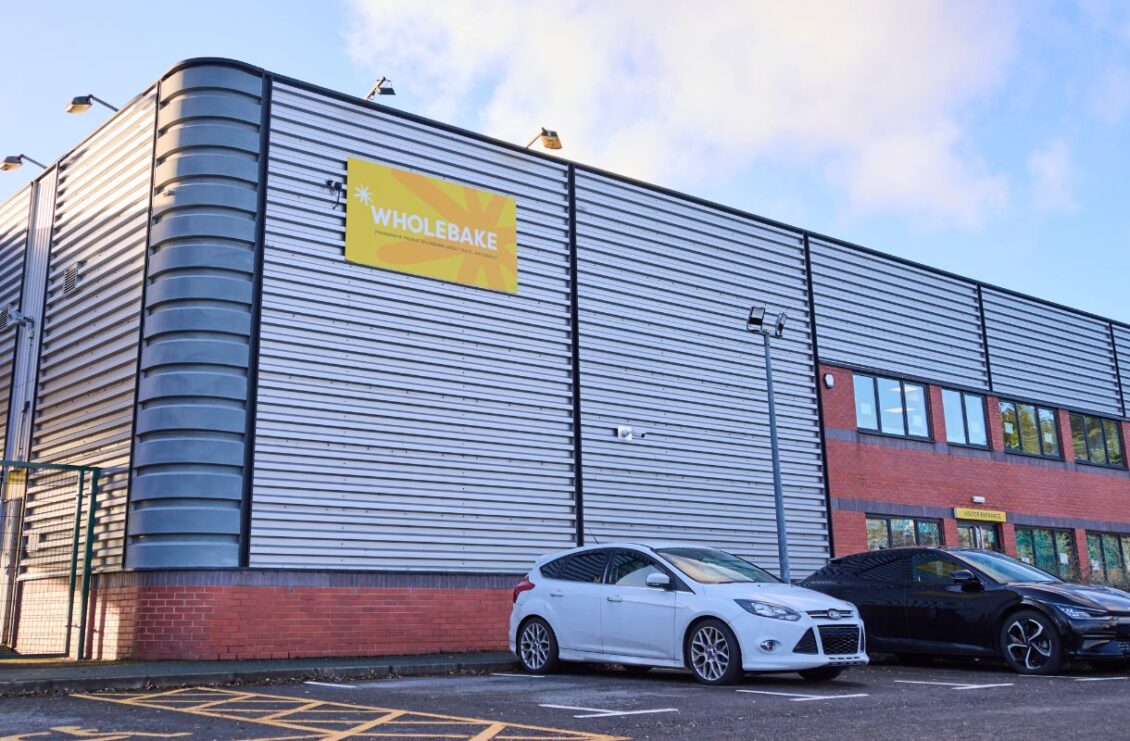
Wholebake is investing £3 million in new high speed production lines as demand for healthier snack bars continues to grow across the UK.
The food manufacturer says changing consumer habits are driving a long term shift away from traditional confectionery towards snacks that are higher in protein, lower in sugar, free from ingredients and made with recognisable ingredients.
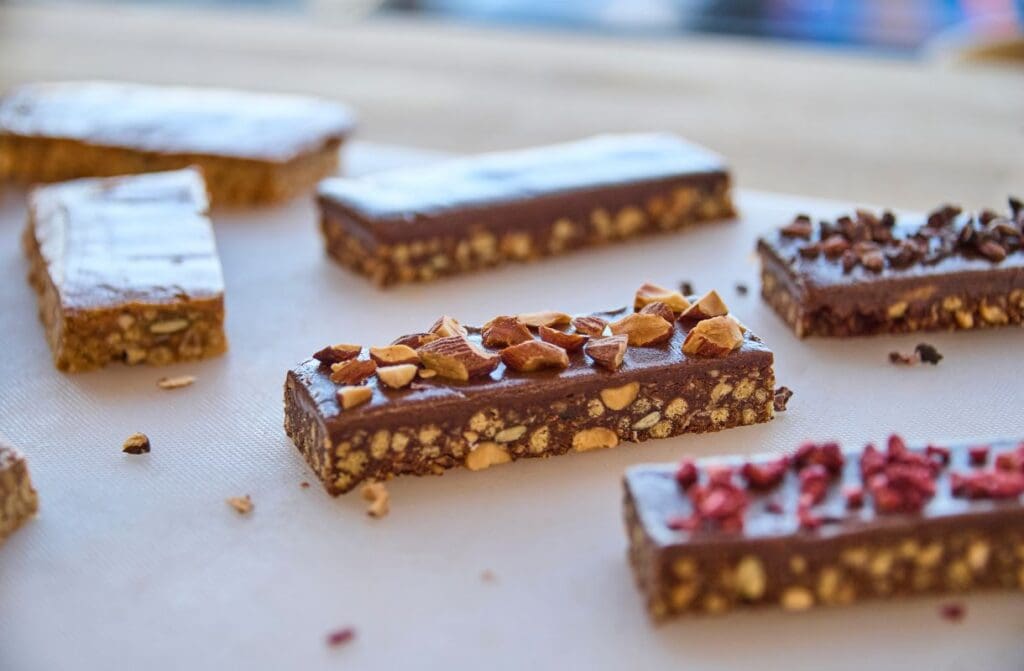
New market data shows the cereal bar market is now worth £819 million annually, with growth accelerating as consumers increasingly seek healthier options.
According to NIQ EPOS data, Wholebake sold more than 145 million snack bars over the past year. The company’s sales volume increased by 10%, while value sales rose by 18.7% year on year, outperforming the wider category. Its Brynmor brand has also recently expanded into the Baltic market.
To keep pace with growing demand, Wholebake will introduce two new high speed production lines later this year.
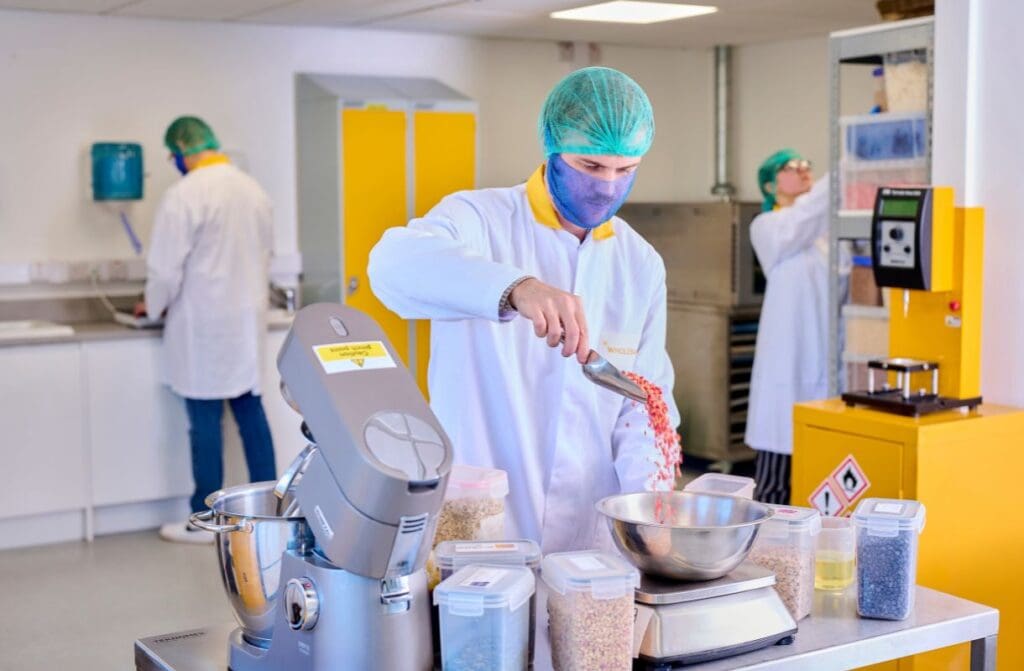
The new lines will produce up to 360 bars per minute, compared with 120 bars per minute on the company’s existing lines, effectively tripling production speed. The investment will add capacity rather than replace current production, allowing the business to support future customer growth.
The expansion is also creating recruitment opportunities, with Wholebake seeking skilled operators and engineers.
The latest market figures highlight the continued growth of healthier snacking. Protein bars are now worth £261 million and are growing by 8.3% year on year, accounting for 83% of the overall category’s value growth.
Within everyday snack bars, the health focused segment has seen value growth accelerate to 22.3%, despite a slight fall in sales volumes, suggesting shoppers are willing to pay more for products offering nutritional and lifestyle benefits.
Separate research from Mintel found that 54% of UK snack consumers now snack to improve their nutritional intake, while 59% actively seek specific health benefits. It also found that 77% prefer products made with a small number of recognisable ingredients, and more than half said they would pay extra for healthier snacks despite ongoing cost of living pressures.
John McMullen, Chief Executive Officer of Wholebake, commented, “The way Britain snacks is undergoing a structural shift. People aren’t snacking more, they’re snacking better, trading traditional confectionery for healthier alternatives made with ingredients they recognise. The data makes clear this is not a passing fad but a lasting change in behaviour, and one where consumers are willing to pay more for snacks that fit their lifestyle.
“As a manufacturer, our job is to help brands and retailers keep pace with that demand. That’s exactly why we’re investing in new high-speed production lines this year, to give our customers the capacity, quality and flexibility they need to grow in one of the fastest-moving parts of the food industry.
“Wholebake has spent more than 25 years building expertise in healthy snacking, and the shift we have seen in that timeframe has been monumental.”
With demand for high protein, low sugar, plant based and free from snack products continuing to grow, the company says it is planning further investment beyond 2026 as it looks to strengthen its position in the expanding healthy snacking market.
