

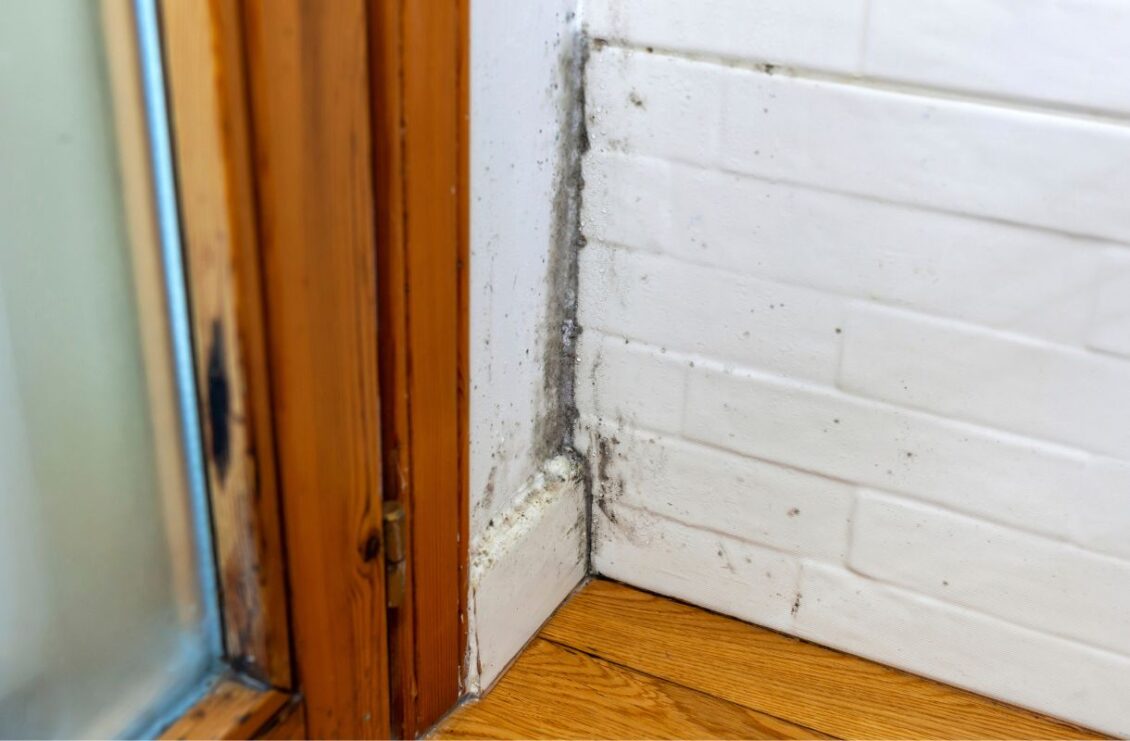
If you live in Wales, you know the climate. You know the soft, persistent rain that sweeps in from the Irish Sea, the mist that settles in the valleys, and the humidity that seems to cling to everything. It’s part of our charm, part of why the Brecon Beacons are so impossibly green. But inside our homes, this climate presents a relentless challenge. For decades, homeowners from Cardiff to Bangor, from Swansea to Wrexham, have battled the same enemy: damp.
We paint over it, we wipe it down, we open windows and hope for the best. Yet it returns, season after season. The good news is that we no longer have to accept this as a fact of life. Ventilationland.co.uk is seeing a surge of Welsh homeowners turning to modern, intelligent ventilation systems—not just as a cosmetic fix, but as a fundamental home upgrade that protects both their property and their health.
The Specifics of the Welsh Climate
Wales doesn’t just get more rain than England; it has a fundamentally different humidity profile. Average relative humidity in Welsh homes often sits between 75% and 85% during the autumn and winter months. When warm, moisture-laden air from a shower or laundry meets a cold external wall, condensation is not a possibility—it’s a certainty. This isn’t just an aesthetic issue of ‘steamed up windows’.
This water runs down, soaks into paint, seeps into plaster, and creates the perfect anaerobic environment for black mould. The health implications are well-documented: respiratory issues, aggravated asthma, and weakened immune systems. In a country with a proud industrial heritage that already carries a higher burden of respiratory illness, this is a silent crisis that demands a structural, not behavioural, solution.
Why ‘Opening a Window’ Fails in a Welsh Winter
The default advice for damp is to ‘open a window’. On a mild, dry day in July, this works. In a Welsh January, with horizontal rain and a biting wind, it is an act of self-sabotage. You open the window; the damp air lingers, but the expensive heat you’ve paid for escapes instantly. The room temperature plummets, the walls get even colder, and when you shut the window, the warm, moist air you generate from making a cup of tea condenses even faster on the now-frozen glass. It’s a vicious cycle. Furthermore, an open window invites in exactly what you don’t want: more moisture, pollen, and noise. Modern mechanical ventilation breaks this cycle. A continuous mechanical extract fan (MEV) or a positive input ventilation (PIV) unit works 24/7, gently replacing the moisture-laden air with filtered, drier air. It runs when you are asleep, when you are at work, when the rain is lashing against the panes. It doesn’t rely on you remembering to ‘air the house’.
Positive Input Ventilation: A Welsh Success Story
One technology, in particular, has proven exceptionally effective in the Welsh context: Positive Input Ventilation (PIV). Unlike extractor fans which suck air out (creating negative pressure), a PIV unit is usually installed in the loft. It draws in fresh, external air, filters it, and gently pushes it into the central hallway or landing. This creates a slight positive pressure throughout the home. It pushes the stale, humid air out through existing gaps under doors and through natural extract routes.
The result is a constant dilution of indoor pollutants. For the hundreds of Welsh bungalows built in the 60s and 70s, which often suffer from condensation in bedrooms despite having no obvious leaks, PIV is the single most effective retrofit solution available. It requires minimal structural work (just a small duct through the ceiling) and immediately drops the dew point of the entire house.
The Renovation Wave: Seizing the Opportunity
Wales is undergoing a major housing retrofit push. The Welsh Government’s ‘Optimised Retrofit Programme’ aims to tackle fuel poverty and carbon emissions. Insulation levels are going up, windows are being upgraded to triple glazing. This is excellent for energy bills, but it is a double-edged sword. A house that is sealed without a planned ventilation strategy becomes a plastic bag over your head. We are currently seeing a wave of ‘sick’ renovated homes—houses that are technically energy-efficient but feel stuffy, have high CO2 levels, and develop mould in corners that were previously dry.
If you are a homeowner in Wales currently undertaking or planning renovation, you must place the ventilation strategy on equal footing with the heating strategy. Specify an MVHR system (Mechanical Ventilation with Heat Recovery) which captures the heat from the outgoing stale air and transfers it to the incoming fresh air. This gives you the fresh air you need without the heat loss you fear.
Practical Steps for Welsh Homeowners
If you are dealing with persistent damp, start by measuring, not guessing. A simple hygrometer (costing less than £10) will tell you if your humidity is consistently above 60%. If it is, identify the source. Is it rising damp from the ground? Or is it simply condensation from living? For condensation, target the wettest rooms first. Upgrade the bathroom extractor fan to a humidistat-controlled model that runs until the room is actually dry, not just for a timed 15 minutes. In the kitchen, ensure your cooker hood vents to the outside, not just recirculates through a charcoal filter.
For whole-house solutions, consider a PIV unit for bungalows and small houses, or a decentralised MVHR system for flats and apartments where running ducts is impossible. The upfront cost is far outweighed by the savings in repainting, redecorating, and the intangible value of waking up to clear windows and clean, fresh air.
A Healthier, Drier Wales
We cannot change the Welsh weather, nor would we want to. It defines our landscape and our identity. But we can change how our homes interact with it. We can stop fighting the humidity with outdated tactics and start managing it with precision technology. A modern ventilation system is not a luxury; it is the single most impactful upgrade you can make for the long-term health of your home and your family. It’s time to dry out Wales, one home at a time.
