

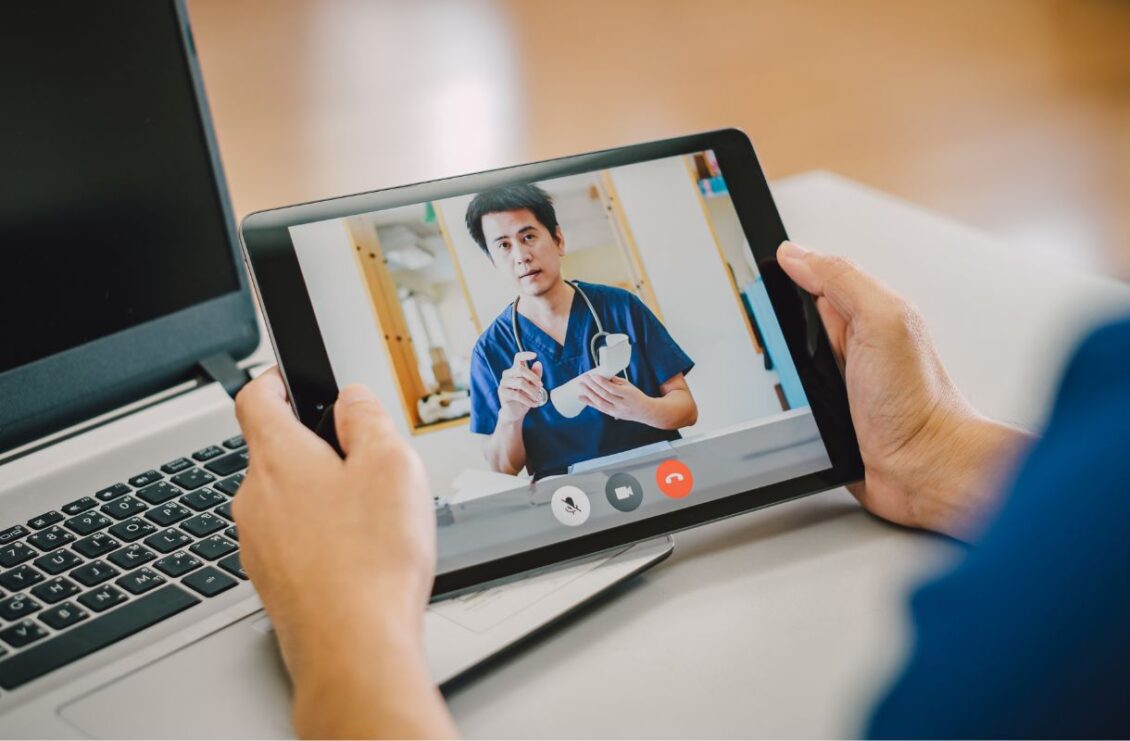
Not long ago, getting a prescription meant phoning the surgery first thing in the morning, waiting for an appointment and then making a separate trip to the pharmacy. For a growing number of people across the UK, much of that now happens on a phone or laptop instead.
Online healthcare has moved from a niche option to an everyday part of how people manage their health. Some of that shift is being driven by the NHS itself, and some by private services that sit alongside it. Knowing how the two fit together, and what to look for in a provider, makes it easier to use them well.
The NHS has gone digital too
The clearest sign of change is how many people now use official NHS apps. According to NHS England, the NHS App had more than 39 million registered users by the end of 2025, and 67.8 million repeat prescriptions were ordered through it in the 12 months to November 2025.
Wales has its own version. The Welsh Government reported in January 2026 that more than 657,700 people had registered for the NHS Wales App and that over 3 million repeat prescriptions had been ordered through it. Patients can now also see waiting list referrals and hospital appointment notifications in the app.
For people in rural parts of Wales, where the nearest surgery or pharmacy can be some distance away, that kind of convenience is more than a nice extra.
Where private online services fit in
Alongside NHS tools, a range of private online services now offer consultations and prescription medication for common, non-urgent conditions. High street names such as Boots and Superdrug run their own online clinics, Pharmacy2U dispenses NHS repeat prescriptions by post, and telehealth platforms such as DoktorABC connect patients with UK-registered prescribers online.
The process is usually similar from one service to the next. You complete a medical questionnaire, a prescriber reviews your answers and, if the treatment is suitable, the medication is dispatched from a registered pharmacy. People often use these services for conditions that can feel awkward to raise face to face, such as hair loss or erectile dysfunction, or simply to get a repeat treatment without waiting for a GP slot.
Staying safe when you buy medicine online
Convenience shouldn’t come at the cost of safety. The General Pharmaceutical Council (GPhC), which regulates pharmacies in Great Britain, warns that unregistered websites may sell medicines that aren’t genuine or haven’t been checked by a pharmacist. Its guidance on buying medicines safely online suggests a few simple checks:
- Look for the pharmacy’s GPhC registration number on the website, then confirm it on the GPhC register
- Make sure a healthcare professional reviews your request before any medicine is supplied
- Answer health and medical history questions honestly
- Check what aftercare and follow-up support you’ll receive
A website that offers prescription-only medicine without asking anything about your health is a clear red flag.
A complement, not a replacement
Online healthcare works best alongside your GP, not instead of it. Remote consultations suit straightforward, non-urgent needs, but new or worsening symptoms, or anything that feels serious, should go through your GP or NHS 111. In an emergency, always call 999. An online service can only work with the information you give it, so it’s worth letting your GP know about any treatment you start elsewhere.
As digital tools become part of everyday care, the question is less whether people will use online healthcare and more how to use it well. Choosing registered providers, being open about your health and keeping your GP in the loop goes a long way.
MEDICAL DISCLAIMER: This article is for information only and is not a substitute for professional medical advice. Always speak to your GP or prescriber before starting, stopping, or changing any treatment.
