

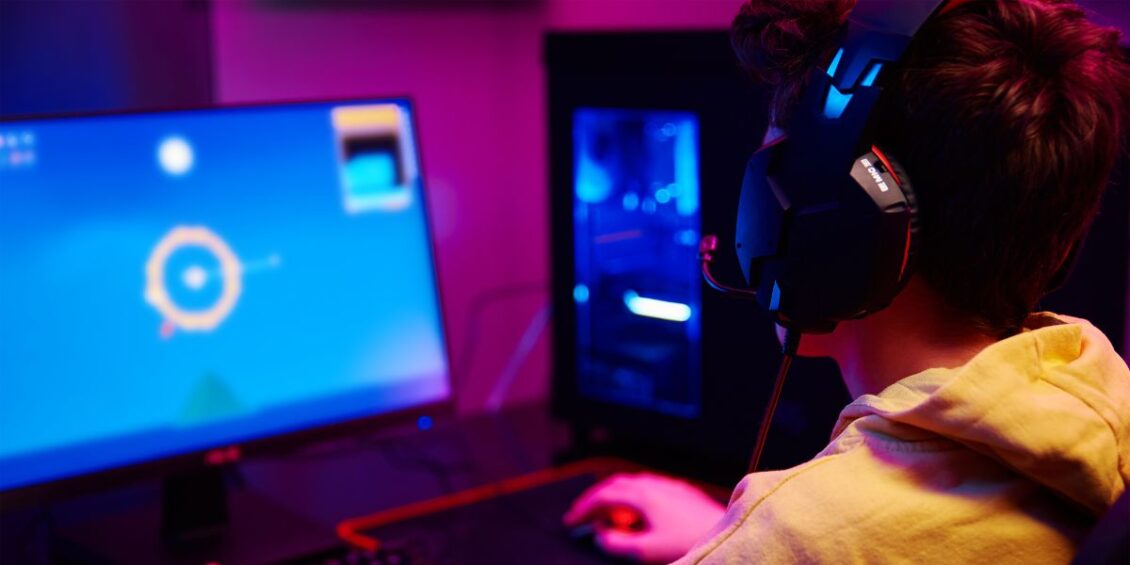
Ever felt that electric buzz when a game world responds to your every twitch? That’s the thrill of real-time gaming, and here in Wales, it’s catching fire faster than you can say “lag-free.”
Wales has quietly built a surprising roster of digital playgrounds. According to the University of South Wales, there are now over 100 video game companies operating in Wales, with roughly half sprouting in the past decade. It’s mad, really—studios large and micro, from Penarth’s Wales Interactive to the shiny new Rocket Science European HQ in Cardiff, all quick to leverage real-time engines like Unreal and Unity to prototype live, in-the-moment experiences.
Some days I wonder: did anybody see this coming? In 2020 we were under lockdown, dreaming about immersive worlds; now Welsh devs are unleashing their own backyards—virtual ones, anyway—onto global platforms.
Why Real-Time?
Real-time gaming isn’t just about slick graphics. It’s about adaptive storytelling, dynamic multiplayer matches, and even side-stepping film production with virtual sets that update instantly. Game studios in Swansea or Wrexham can play test with distant colleagues as if they were in the same room—no flights needed. It’s agile. It’s now.
But it’s not confined to gaming alone. Interestingly, the ripple has reached the gambling world, with live casino platforms with interactive dealers. While major hubs are typically found in places like Latvia and Malta, these platforms allow players seated at home to hit “join” and find themselves at a digital table, where a real dealer greets them by name and chats about the weather in Newport.
Behind the Scenes: Talent, Tools, Tinkering
You might think this requires an army of coders. Actually, many Welsh outfits are micro—just a handful of people, sometimes three or four, wearing five hats each. That’s boots-on-the-ground innovation, on a shoestring budget.
Education’s stepping up, too. The Atrium at University of South Wales and Trinity St David’s Swansea campus now teach students to master real-time toolkits. Creative Wales sprinkles grants around, nudging freelancers and fresh grads toward loftier virtual heights.
It’s still a bit patchy—some studios rely on word-of-mouth recruiting, which seems, well, quaint in the digital age.
Challenges? A Few, Sure
Remote work is a double-edged sword. Yeah, you save on commute, but without the coffee-machine banter, finding opportunities can feel like herding digital cats. And although global investment into gaming is projected to approach $200 billion by 2025, with forecasts suggesting it will surpass that mark by 2027, Wales currently accounts for a small slice—just 0.6 percent of UK games development jobs. So, could we do more? You bet.
What’s Next for Wales?
Picture this: a young dev in Newport, coding a VR horror in real-time, loops in Welsh language dialogue, and streams the build live on Twitch. Or an esports team in Bangor training on a hyper-responsive, cloud-based arena—no expensive gear needed locally. Real-time gaming might just be the catalyst that knits together Welsh culture, language, and cutting-edge tech.
It won’t be an overnight epic—more like a slow burn, punctuated with exciting flashpoints (hello, indie hits). But I believe Wales is on its way to carving a niche in the real-time revolution. And it’s not solely about business growth; it’s about community, craft, and identity, too.
Fancy sharing your thoughts? Drop a comment below—tell us which Welsh real-time project has your attention, or suggest where we should look next. Let’s get the conversation rolling.
