

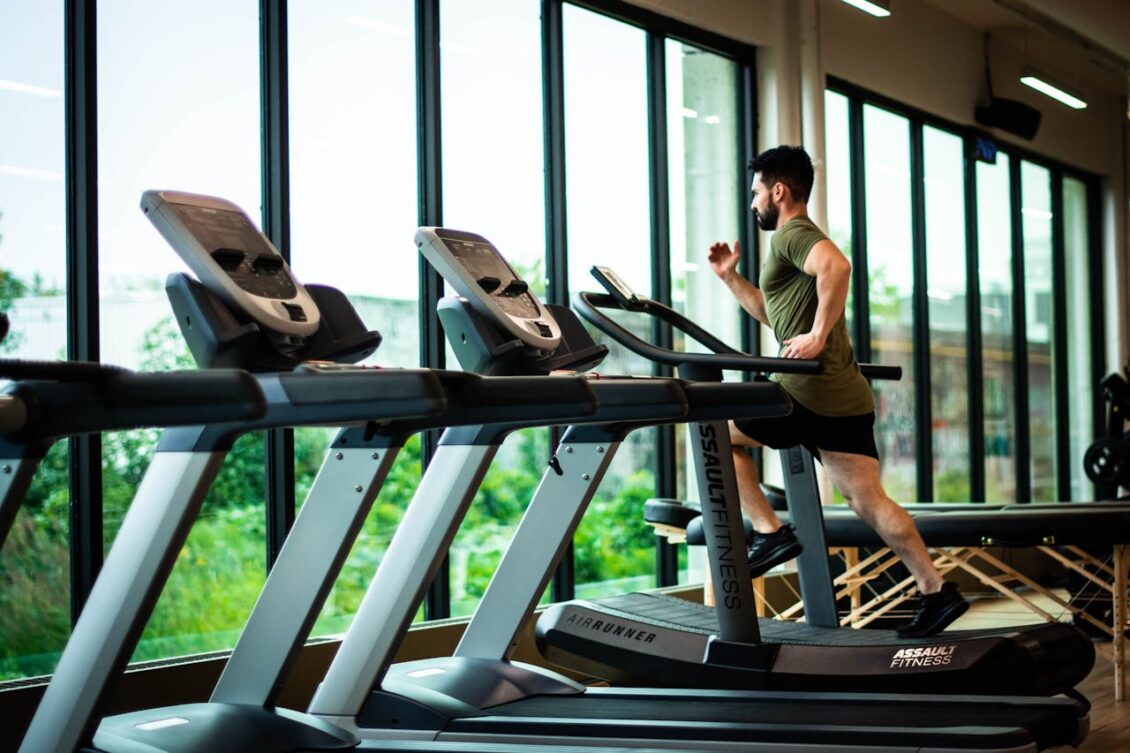
Gyms aren’t what they used to be. Walk in now and you’ll find a lot more than dumbbells and treadmills. Technology is changing how people work out. AI and machine learning, especially, are now creating personalised workout plans that actually adapt to your needs. These systems analyse your heart rate, how you performed last week, and how tired you are today, then adjust your workout as you go, and it’s way more responsive than following a generic program. The best systems still keep trainers involved, giving them advanced data to help fix their form or suggest when to rest.
Smart clothing is another big change. We’re talking about actual clothing with sensors built in, not just a watch on your wrist. The sensors track which muscles you’re using, how you’re breathing, and whether you’re moving evenly on both sides. The data helps spot bad form or imbalances before you hurt yourself. Some researchers are even using graphene sensors and AI to rate your form and catch any breathing issues. Instead of seeing a bunch of numbers, you might just feel a gentle vibration telling you to adjust your posture.
These days, personalised training is a big part of what makes gyms effective. Having access to expert support, whether through one-on-one sessions or guided plans, helps members stay focused and progress safely. Crowns Gym London is a great example of this approach, offering tailored services that support a wide range of fitness goals. By combining personal training sessions with connected gym equipment, you get a more intuitive workout environment. For instance, on the days when you’re training without a personal coach, connected gym equipment with sensors can deliver similar feedback. The technology includes built-in sensors that track your sets, reps, and form automatically, almost like having a digital trainer beside you.
If you are looking for a more immersive and hybrid fitness routine, augmented reality (AR), virtual reality (VR), and on-demand digital access are options. Gyms are combining in-person classes with virtual streaming, allowing members to train from anywhere yet remain linked to the same community, coaches, and progress tracking. In addition, AR overlays or VR environments transform mundane cardio or bodyweight workouts into engaging experiences, running through virtual landscapes or competing in gamified challenges. These immersive formats make workouts more motivating and new. Many clubs now pair these experiences with live leaderboards and optional heart-rate zones, so members can choose between friendly competition or a quieter, more mindful session.
Recovery, regeneration, and assisted modalities are now central to many sophisticated fitness hubs. High-tech recovery tools, such as robotic massage devices, pneumatic compression boots, cryotherapy chambers, infrared therapy, or percussive therapy systems, are being bundled into memberships. Some gyms even use robotic systems that scan a user’s muscle map and deliver targeted recovery patterns tailored to each person’s needs. These recovery options help users bounce back faster and reduce injury downtime. The most member-friendly setups also include simple guidance on when to book which tool, for how long, and how to pair it with sleep and nutrition, so recovery becomes a habit rather than an afterthought.
Together, these five trends, AI-driven coaching, smart wearables and apparel, IoT-enabled equipment, immersive hybrid fitness, and advanced recovery technology, are fundamentally changing what a gym can be. The key to success lies in combining high tech with human empathy: the most effective fitness spaces will use innovation to empower members rather than replace human connection.
