

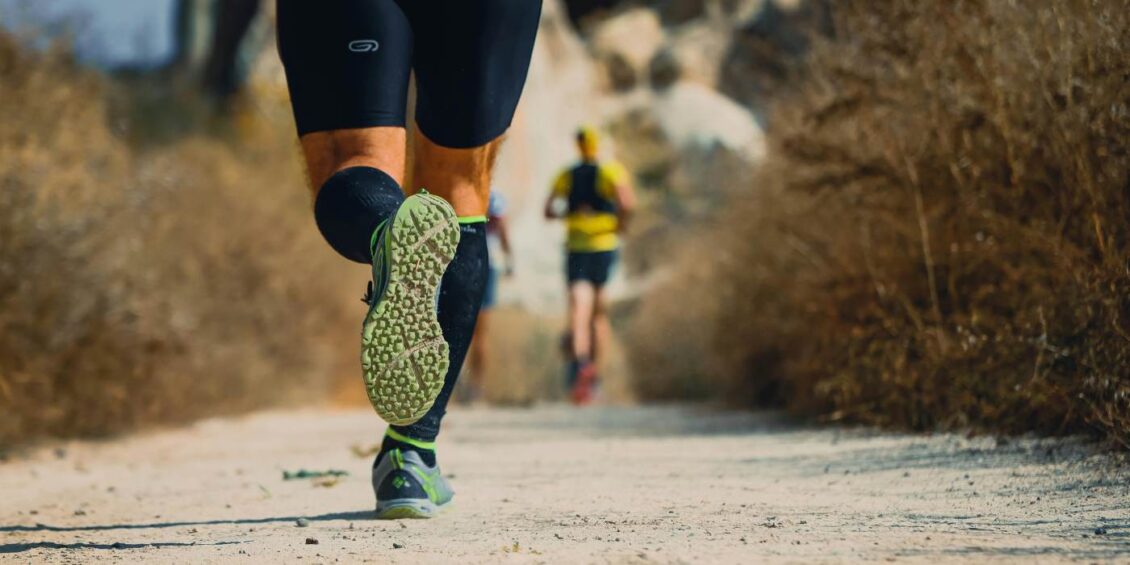
Abandon the monotony of urban running and take your first step into the great outdoors with trail running. This unique running discipline combines the thrill of adventurous exploration with a high-intensity workout. Trail running allows you to immerse yourself in stunning scenery, test your endurance against varied terrains, and truly connect with the beauty of nature. This article will provide a beginner-friendly guide to starting your own trail running journey, highlighting the indispensable tactics, skills, and equipment you’ll need.
Why Choose Trail Running?
Traditional running on pavements and treadmills can often become a repetitive chore. Break the mould and set foot into intriguing wildlife, hills, streams, and an array of landscapes which trail running offers. It’s not just a breath of fresh air; it’s about freedom, exploration, and pushing your limits.
Trail running presents an elemental challenge inherent in confronting natural obstacles. Uneven and potentially slippery surfaces, steep inclines, tree roots, rocks, and even wildlife crossings, ensure that no two runs are ever the same. The unpredictability of the terrain forces runners to adapt, enhancing agility, balance, coordination, and mental resilience.
Essential Equipment for Trail Running
To ensure safety and enhance performance on the trails, you’ll want some specific men’s running gear and women’s trail kit. Trail running shoes, for one, provide extra grip and stability for uneven terrains, as well as additional features to shield your feet from rocks and roots.
A hydration pack or belt is a crucial accessory to stay hydrated on longer runs. These compact, lightweight packs allow for easy access to water, snacks, and other essential items without disrupting your stride.
Clear vision matters on exposed trails, so a pair of runners sunglasses can help you handle bright sun, shifting shadows, and glare from water or light-colored rock. They can protect your eyes from dust, wind, and low branches, which helps you stay focused on your footing.
Lastly, always carry a first aid kit containing basics like bandages, painkillers, and wound wash. In an environment where slips and falls are more common, being prepared is paramount.
Training for Trail Running
Preparing for trail running represents a departure from conventional flat-surface running or marathon training. A focus on building core strength and balance can help you navigate tricky terrains, while practising downhill running can prevent knee injuries.
Include exercises such as squats, lunges, and planks in your workout regimen to promote strength, stability, and balance. Also, incorporating hiking into your training can improve your uphill running ability — a necessary skill for trail enthusiasts.
Trail Running Safety and Guidelines
Safety should always be your priority when exploring the trails. Always inform someone of your running route and estimated time of return.
Weather conditions can change rapidly, so check weather forecasts before heading out. Dress in layers to adapt to fluctuating temperatures and always carry a rain jacket in case of sudden showers.
Respecting the environment is another integral part of trail running. Stick to established trails to avoid harming native flora and fauna. Remember the outdoorsman’s mantra: “Leave no trace.” Pack out whatever you bring in to keep trails clean for you and others to enjoy.
Staying Motivated in Trail Running
Every trail run is a new adventure and a chance to discover something new about yourself and the world around you. To keep your motivation high, mix up your routes often and try running at different times of the day.
Signing up for trail running races or joining a local trail running club can provide a supportive community, helping to keep you inspired and push you to reach new goals.
In Conclusion: Embrace the Challenge
Trail running is more than just a type of workout; it’s a gateway to unparalleled adventures, a proactive way to protect and respect our environment, and a chance to deepen your relationship with the natural world. Embracing the challenge of the trail might just spark a lifelong passion for the joys of the great outdoors.
It’s about time to lace up your shoes, hit the trail, and find out what’s waiting for you beyond the beaten path. Happy trail running!
