

Early Legends and the Birth of Modern Poker
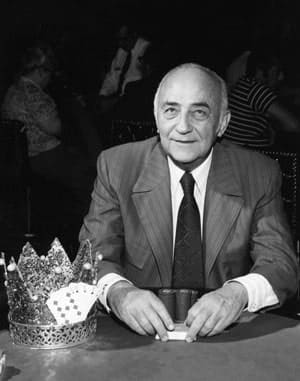
Johnny Moss, the person who was given the nickname of ‘The Grand Old Man of Poker’, was the first winner of the World Series of Poker. The voting which chose him as winner was done in 1970 by the players of the poker tournament. Then in 1971 and 1974, he also won the event. In the year 1949, he played one of his legendary matches. The match was the marathon game against Nick “the Greek”. This match had a significant influence on what would become the new format of the World Series of Poker.
Benny Binion was instrumental in bringing the Las Vegas gambling industry to life. A former Texas criminal, Binion moved to Las Vegas and built Binion’s Horseshoe, the famous casino. His early influence helped in turning poker into a glamourized, high-stakes sport – but his past proved that the game has always flirted with the edge of illegality.
The initial stories of poker being played in America set a blend of prestige and narrative that would soon give way to scandal and reform.
Online Exploits: Russ Hamilton and the “Superuser” Case
In 2008, the online poker boom was accompanied by large-scale scams. The online site UltimateBet later employed 1994 WSOP champion Russ Hamilton as a consultant, in the most infamous case. He was held responsible for utilizing a “superuser” account to view the hole cards of opponents and cheating other players out of approximately $6 million, later estimated to be as high as $22 million.

The after-effects were very quick: Refunds paid, damage to players’ confidence in online rooms, and important lessons that could be learnt regarding transparency. It set a standard within the business that required all operators to implement stronger internal controls and start publishing heavier audits.
Operators today — including platforms like Americas Cardroom — have since been held to higher standards as a result of cases like Hamilton’s. It was a turning point that reshaped how digital poker rooms secure fairness.
Livestream Era Drama: Postlegate and Mike Postle.
Poker streamed games are in the spotlight… but it comes with certain risks. In 2019, commentator Veronica Brill accused Mike Postle of cheating during Stones Live events in California, which resulted in a scandal called “Postlegate”. Postle’s unlikely calls and folds on camera and purportedly receiving help from electronic devices were suspicious. The subsequent class-action lawsuit of $30 million was dismissed, as per the old state law, but the issue didn’t die down.
While no one was legally accountable, it did unite the poker community. The incident raised urgent questions about the integrity of livestreaming and led to calls for stronger safeguards, including transparency in dealing with live broadcasts and mechanisms to whistle-blow.
High-Stakes Cheating Allegations and the Adelstein–Lew Controversy
A hand during a Hustler Casino live cash game held in Gardena, California in September 2022 sparked one of poker’s most contentious controversies. Robbi Jade Lew was accused of cheating Garrett Adelstein out of a nearly $270,000 pot. Analysts referred to it as “easily the most controversial poker hand of all time.”

Phil Ivey, Tom Dwan, Phil Galfond and others weighed in—some defended Lew and others sided with Adele Stein. Mathematician Michael Shackleford offered a commonsense view: that blindsided play or confusion could explain the hand, and that what looked suspicious wasn’t necessarily cheating. The recent discussion centering ethics, game’s rules, and the speed of spin storms has renewed urgency.
Illegal High-Rollers: Gilbert Arenas’ Charged Poker Ring
In July 2025, former All-Star Gilbert Arenas was indicted for running illegal high-stakes poker games at his Encino mansion. Federal charges indicate that Arenas and other associate players organized games with Pot Limit Omaha, hired personnel (including “young women” for company, chefs, armed guards) and collected a “rake” from players. He faces conspiracy and false-statement charges.
This lawsuit exemplifies how poker can present a legal and ethical challenge when glamour and anonymity collide. It serves to show that even the most high-profile names around are not above suspicion, and, most importantly, that legitimacy matters if poker is to remain poker, as opposed to some other underground activity.
Lessons Learned: Integrity, Transparency, and the Player’s Trust
Going over the legends of Johnny Moss till the online incident of Hamilton and Postle’s livestream fallout along with the Adelstein–Lew incident and Arenas indictments.
- Integrity in poker matters. In a diner, or celebrity mansion, trust is the name of the game.
- Online platforms, livestreams must ensure hidden risks, and protect players, sponsors and audiences.
- The vigilance of stakeholders can certainly be a first line of defence against abuse.
The platforms like Americas Cardroom that operate in today’s U.S. poker ecosystem carry the weight of history—and the responsibility to play fair.
Poker has had centuries full of glory and great significance in the U.S. Further scandals limited everyone’s game and improved the protections for players. They also serve as a reminder to keep the focus on transparency and accountability. These cases are lessons that can help protect the integrity of the game of poker.
