

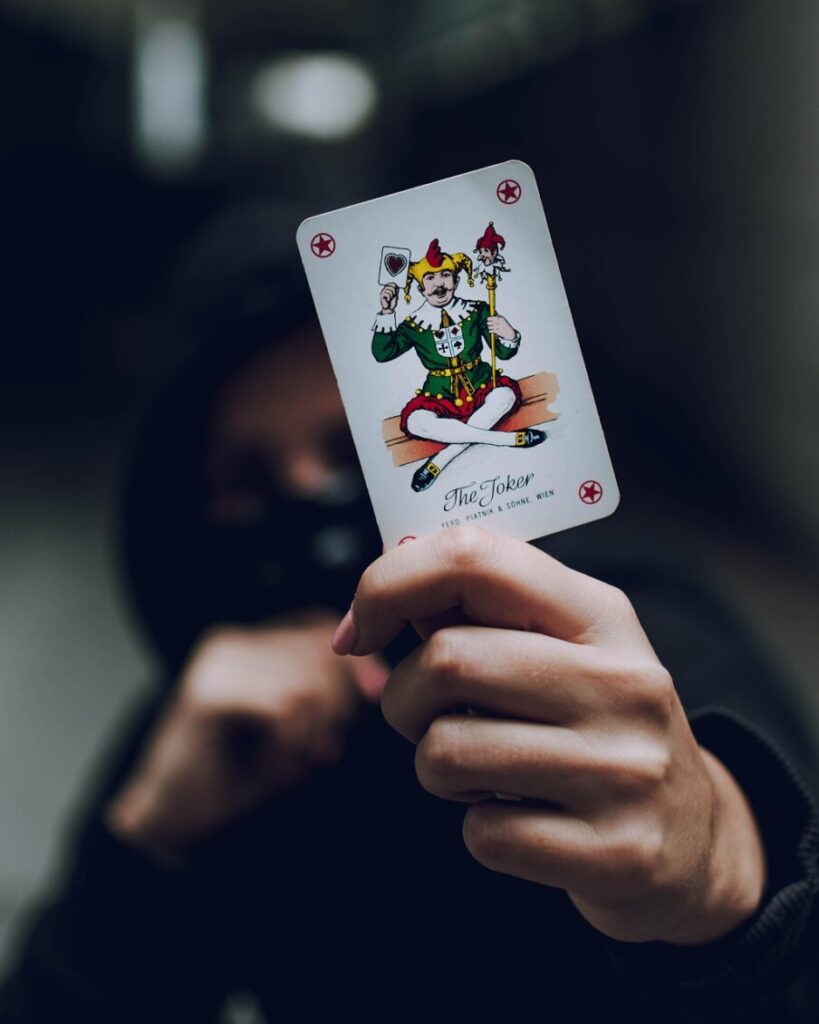
We’re all familiar with the classic deck of playing cards, used to play a variety of games from poker to Welsh whist. Yet, by looking back, we can see that throughout the development and evolution of these cards, there have been more links to Wales than might have seemed possible at first sight.
The Influential Card Designer
The history of playing cards is unclear, although it’s possible that they were first used in 9th-century China. We need to move forward to the 19th century to find the involvement of Welsh architect and designer Owen Jones, though. He was famed for his colour printing and produced the first chromo-lithographed plans in English. He’s perhaps best known now for the 173 interesting card designs he made for Thomas de la Rue, many of which are held by the British Museum in London.
When we look at modern casino games UK players can find online, we find that a variety of blackjack games are listed, as well as three-card brag and others. They use a selection of different card designs on computer-generated tables that allow games to take place at any time. While none of these cards are based on Jones’ designs, his work helped to show us that these games could be played using a variety of eye-catching designs.
Welsh-Themed Games and Cards
Richard Ruston-Burgess is a more recent figure from the history of playing cards. He’s important in this story because he designed a series of Welsh language cards. He had moved to Wales and was taking a beginner’s course in the Welsh language when he realised that there was a gap in the market for Welsh language cards.
Over the years, we’ve also seen cards featuring popular figures like sports stars, while Legends of Wales: Battle Cards had a mythological feel. Twrch Trwyth and Pwca are among the monsters featured in this game, which also has a variety of wizards on the cards.
Playing Cards with the Devil
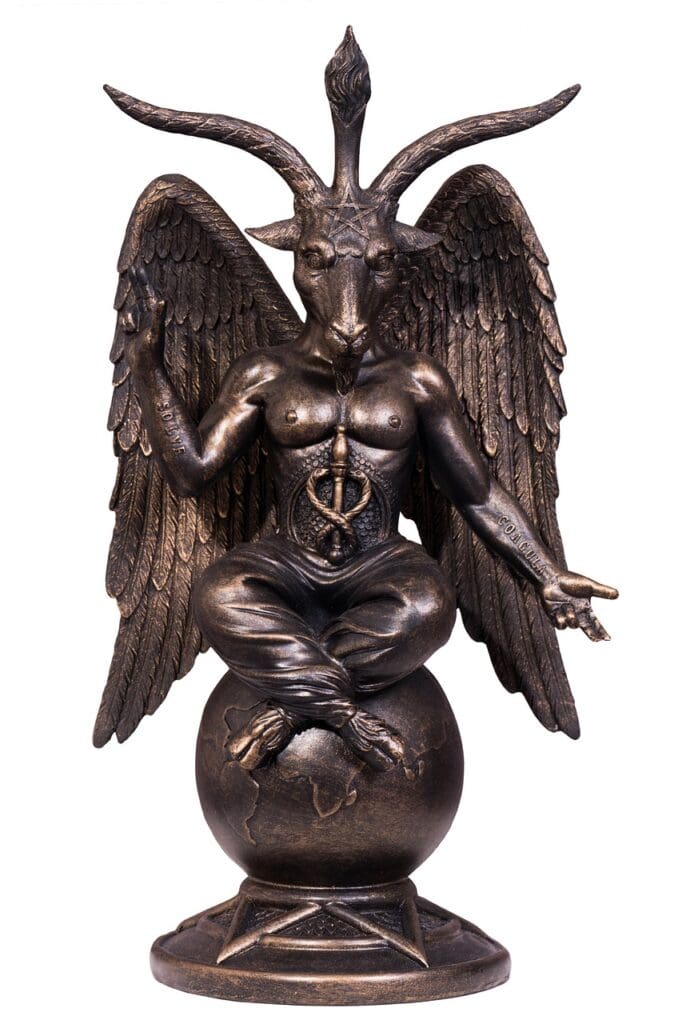
One of the most intriguing parts of Welsh history with playing cards comes from the folk tales that speak of playing cards with the devil. While these stories vary in their details, they tend to involve a local person who gets unwittingly caught up in a card game with Satan and only realises this when a card falls, and they catch a glimpse of their rival’s hooves or some other physical aspect.
A good example comes from the tale of Robert Llwyd Hari, a keen card player who was travelling from Rhydlydan when he was challenged to a game of cards by a stranger. They played on the bridge at Rhyd-y-Cae, using a deck of cards that magically appeared. Robert only noticed that this opponent had horns when a card fell into the river, and he saw the devil’s reflection in the water.
These stories from the past show us how Wales has contributed to the development of playing cards and even added some unique touches that have helped many people enjoy their games.
