

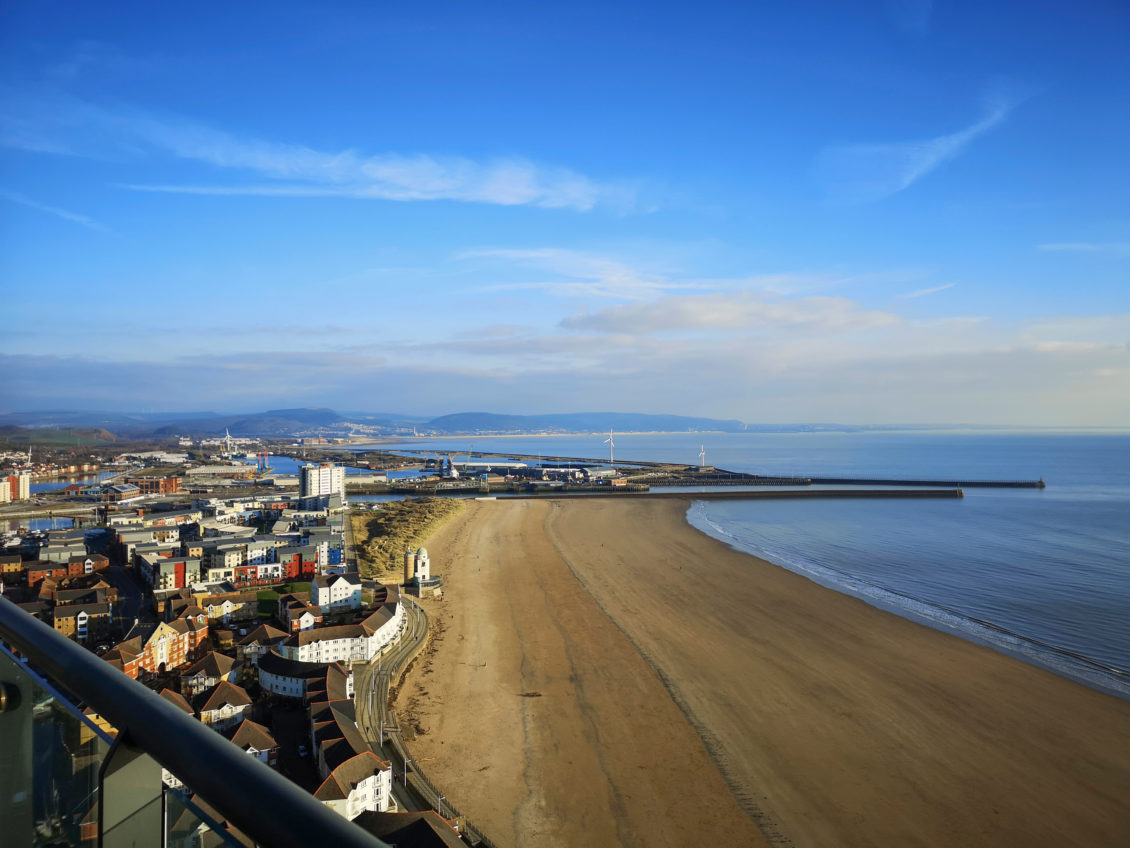
Spring weekends in South Wales feel different this year. Families are skipping the airport and looking closer to home. Coastal paths, historic landmarks, and open space are pulling people in. A short journey now feels more appealing than a long-haul trip. Busy city centres are losing their appeal when compared with fresh air and quieter surroundings.
The region stands out for its variety. Coastal towns offer wide beaches, while inland valleys provide peaceful walking routes. Castles, nature reserves, and small villages sit within short distances of each other, making it easy to plan a full day without long drives. Families are also looking for affordable options, from beach picnics to woodland walks, and South Wales delivers on both.
Practical details make a difference too. Opening hours are easier to find online, and accessibility information is more widely available. Short travel distances and manageable planning make South Wales a reliable choice for a weekend trip.
Spring Weather Patterns Make Coastal Access More Reliable
Tourism data shows a 43 per cent visitor increase in South Wales for 2025. Temperatures typically sit between 10 and 15 degrees Celsius, which is comfortable for outdoor activities. Conditions in spring often make coastal visits more manageable than during peak summer periods.
Planning ahead remains important. Smart visitors use South Wales Guide to find ideas for days out and plan their trip before leaving the house. Coastal paths are usually maintained by early spring, and safety services are in place ahead of the busier months. Families can head to areas such as Rhossili Bay or Caswell Bay with more confidence as conditions improve.
Dry spells often arrive in late April, making walking routes easier to manage. Lighter footwear becomes more practical, and paths are less likely to be affected by mud. Visiting during quieter weekdays can make a noticeable difference, especially on popular routes like the Gower Peninsula.
Daylight Hours Support Longer Itineraries
Longer daylight hours in spring allow for more flexible plans. Evenings stretch later into the day, giving families more time to explore without feeling rushed. Coastal sunsets become part of the experience rather than something to plan around.
Extra daylight means more opportunities to enjoy simple activities, from evening walks to relaxed meals outdoors. Local spots such as Mumbles stay active later, giving visitors more time to enjoy the area. The extended hours also reduce pressure on tight schedules, allowing trips to feel more relaxed.
This shift in daylight changes the pace of the entire visit. Walks can be completed without rushing, and attractions can be enjoyed at a steady pace. Late spring offers a strong balance between good conditions and fewer crowds.
Heritage Sites Offer Predictable Costs and Accessibility
Cadw manages many of the region’s castles and heritage sites. Entry prices usually range between six and twelve pounds for adults, with free entry for younger children. Family passes are widely available, helping to manage costs across multiple visits. Locations such as Caerphilly Castle and Cardiff Castle offer accessible routes suitable for different age groups.
National Trust properties often require booking, though facilities are well organised. Local council parks remain a low-cost option, typically charging only for parking. A Cadw family membership can offer good value if several sites are visited within a short period.
Caerphilly Castle stands out for its scale and layout, surrounded by water and featuring one of the largest castle grounds in Britain. Visitors can explore the structure up close, making it an engaging experience for all ages.
Transport Links Connect Major Attractions
Rail services between Cardiff and Swansea run frequently, with journey times of under an hour. The Heart of Wales Line provides direct access to locations such as Llandeilo. Bus routes, including the X43, connect major towns with the Brecon Beacons.
Ticket prices remain relatively affordable, with discounts available for children. Park-and-ride options in areas such as Cardiff and Caerphilly provide convenient access to busy locations.
Public transport offers a practical alternative to driving, particularly for those looking to enjoy the scenery without focusing on navigation. Routes between industrial and rural landscapes highlight the contrast that defines South Wales.
Coastal and Valley Routes Suit Multi-Generational Groups
Finding reliable things to do in South Wales is straightforward thanks to well-maintained paths and facilities. The Gower Peninsula includes accessible sections at Langland and Caswell, while Cardiff Bay offers flat, paved routes with regular amenities.
Valley attractions provide flexibility during changing weather. Big Pit in Blaenavon is a popular indoor option, offering guided underground tours led by former miners. Visitors gain insight into the area’s industrial history in a setting that remains engaging regardless of conditions.
Brecon Beacons visitor centres also offer shorter walking routes suited to younger visitors. Weather changes do not necessarily disrupt plans, as alternative indoor and outdoor options are widely available.
Budget Planning Benefits from Free and Low-Cost Options
Many of South Wales’ most popular beaches, including Rhossili, Three Cliffs, and Southerndown, are free to access. Parking charges are typically the only cost. Parks such as Margam Country Park and Afan Forest also provide free entry, with optional parking fees.
Margam Country Park offers open space, wildlife, and historic features, making it suitable for a full day out. Visitors can combine walking, picnics, and light exploration without high costs.
A family visit can remain affordable with simple planning. Avoiding peak bank holiday periods can also help reduce accommodation costs. Membership options, such as Cadw passes, provide further savings for those planning multiple visits.
Hidden Gems and Spring Blooms
While the Gower Peninsula remains popular, the Glamorgan Heritage Coast offers an alternative experience. Its layered cliffs and coastal paths provide varied scenery and quieter walking routes. The stretch between Dunraven Bay and Nash Point is particularly well known for its views.
Spring also brings seasonal highlights, including bluebells in woodlands near Castell Coch. These natural displays add to the appeal of visiting during this time of year.
Local markets in towns such as Cowbridge and Llandeilo offer regional produce, giving visitors a chance to experience local food without formal dining. Simple choices, combined with scenic locations, often define the most memorable parts of a trip.
Final Prep for the Spring Surge
Vehicle checks are worth considering, particularly for routes through valley areas. Public transport users may benefit from using mobile apps for ticketing and updates.
Flexibility remains key when visiting South Wales. Weather conditions can change quickly, so having alternative plans can improve the overall experience. Coastal and inland options allow for adjustments without disrupting the trip.
South Wales in spring offers a practical and enjoyable option for families. It combines accessibility, affordability, and a wide range of activities within a compact area. With a bit of planning, it is easy to create a weekend that feels both relaxed and rewarding.
