

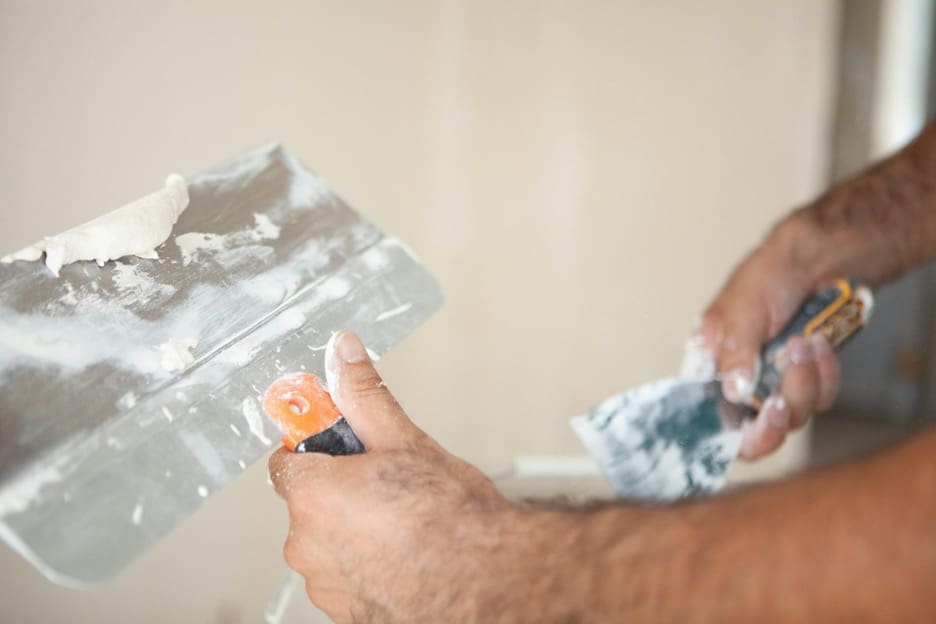
Home renovation remains a popular investment across Wales. Still, while kitchens, flooring and décor often take centre stage, the condition of the walls and ceilings can have just as much impact on the final result. Proper plastering and finishing work play a major role in how a renovated home looks and lasts.
Home renovation remains a popular choice for homeowners across Wales looking to modernise their space, improve comfort, and add long-term value to their property. Whether the work involves refreshing one room or carrying out a larger refurbishment, attention usually goes to obvious upgrades such as flooring, kitchens, lighting, and colour schemes. Yet one of the biggest influences on the final result is often much simpler: the quality of the walls and ceilings.
A well-designed room can still feel unfinished if the surfaces underneath are rough, cracked, or poorly prepared. Fresh paint can only do so much, and even the best finishes will struggle to hide uneven plasterwork. In many cases, the finishing stage is what separates a room that looks newly decorated from one that feels genuinely well-renovated.
Why wall preparation matters more than many homeowners think
Walls and ceilings shape how clean, bright, and complete a room feels once the work is done. Uneven surfaces catch the light badly, patch repairs stand out more than expected, and old damage often becomes obvious once wallpaper or dated finishes are removed.
Specialists such as Gower Plastering, based in Llangennith and backed by over 15 years of experience in plastering and rendering for residential and commercial properties, note that professional plastering helps ensure surfaces are smooth, durable and ready for decorating, giving homeowners a more polished final result.
This matters even more in renovation work, where older homes often reveal more surface problems than first expected. What seems like a straightforward decorating job can quickly uncover cracks, hollow areas, uneven skim, or ceilings that need more than a quick touch-up.
Common wall and ceiling issues during renovation
One of the most common frustrations in home renovation is discovering hidden problems once the work begins. Removing wallpaper, fitted units, or old finishes can reveal blown plaster, damaged corners, hairline cracks, poor patchwork, or surfaces that are no longer level.
Older properties across Wales can be especially prone to these issues. Years of settlement, moisture exposure, and repeated decorating can leave walls and ceilings in worse condition than they first appear. Once uncovered, these faults can affect the look of the whole room if they are not addressed properly.
Ceilings can be just as troublesome. Staining, cracking, textured finishes, and uneven repairs may remain visible even after other improvements have been made. A room may have new flooring and fresh paint, but if the ceiling still looks tired, the result can feel incomplete.
DIY repair work can also add to the problem. Small patch jobs may appear manageable, but poor blending or uneven application often becomes obvious once painted. Natural light tends to expose every flaw.
How professional plastering improves the final result
The clearest benefit of professional plastering is appearance. Smooth, even walls and ceilings provide a better base for paint, wallpaper, skirting, tiling, and fitted features. They help a room feel cleaner, brighter, and more carefully finished.
There is also a practical benefit. Proper plastering helps create a more durable surface, reducing the chance of early cracking, flaking, or imperfections returning too soon. Rather than acting as a quick cosmetic fix, it gives the rest of the renovation a stronger foundation.
That matters in family homes, rental properties, and houses being prepared for sale. A renovation should not only look good when completed. It should continue to look sound after everyday use. Quality plastering helps support that by improving the surface beneath the decorative finish.
Why finishing work should not be rushed
Finishing work also affects how a property is perceived. Buyers and visitors may not mention plastering directly, but they notice the result. Straight lines, smooth ceilings, neat corners, and an even finish all contribute to the sense that a home has been improved with care.
In many projects, plastering is treated as one of the final jobs before decorating. In reality, it is one of the stages that most directly affects how successful the whole renovation feels. Walls and ceilings cover so much of the visible space in any room that poor finishing is difficult to disguise.
For homeowners across Wales, investing in proper plastering and wall preparation is not about chasing perfection. It is about making sure the wider renovation looks right, lasts well, and reflects the time and money already spent on improving the property.
When done properly, quality finishing work gives the whole project a cleaner, more polished result. That is why it remains one of the most important parts of any successful home renovation.
