

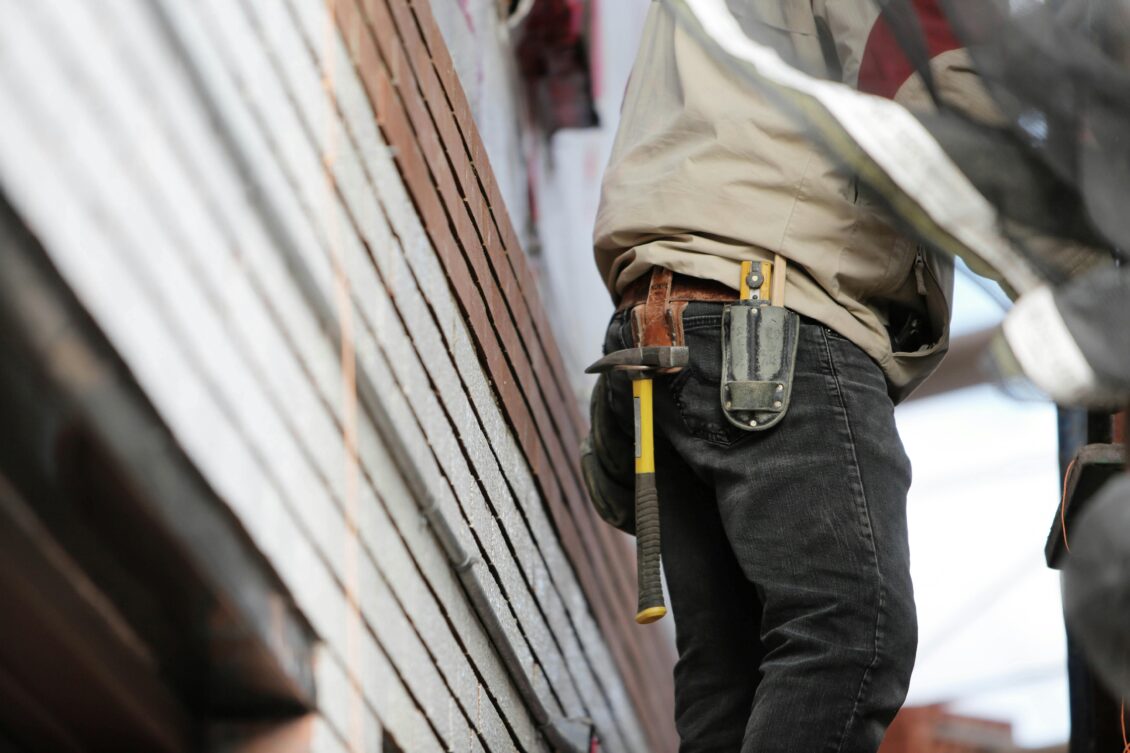
Property renovations can transform your living space, but prioritising safety is crucial to ensure a successful and hazard-free project. Without a focus on safety, renovations can lead to accidents and damage, undermining the benefits of your efforts. By making safety your primary concern, you protect both your well-being and your investment.
When embarking on property renovations, it’s essential to implement comprehensive safety measures. This includes using protective gear like quality work trousers from Strauss, which provide comfort and durability during construction tasks. Understanding and adhering to safety protocols not only mitigates risks but also ensures compliance with local regulations, safeguarding your project from potential legal issues.
What safety standards should be followed on renovation sites?
Following safety standards is vital to protect everyone involved in renovation projects. As a homeowner or contractor, it is important to familiarise yourself with these standards.Using appropriate equipment, such as helmets and gloves, is essential to minimise risks associated with construction work. Clear communication and setting guidelines for safe practices help create a secure working environment.
Regular site inspections are a key component of maintaining safety standards. Identifying potential hazards early on prevents accidents and keeps the project on track. Proper signage indicating areas under construction informs all participants of potential dangers, while adequate training ensures everyone understands the importance of adhering to safety protocols.
Investing in high-quality materials and tools enhances safety during renovations. Durable equipment can withstand demanding tasks and reduce the likelihood of equipment failure. By prioritising reliable resources, you contribute to a safer worksite for all participants.
What are the legal safety requirements for renovation projects?
Understanding the legal framework surrounding renovations is essential for ensuring safety and compliance. In Wales, homeowners must adhere to specific regulations that protect both their safety and that of their property. These legal requirements cover various aspects of construction work, including structural integrity checks and adherence to building codes.
Obtaining necessary permits before commencing any project is crucial. These permits validate that your plans meet local regulatory standards. Consulting with professionals familiar with regional laws can help navigate this process smoothly. Legal compliance not only avoids penalties but also ensures that the renovation is safe and structurally sound.
Homeowners must ensure that all contractors employed are qualified and certified to perform the required tasks. This certification guarantees that they possess the knowledge needed to follow safety regulations effectively. Engaging reputable contractors minimises risks related to unskilled labour, contributing to a successful renovation outcome.
Practical tips for hazard prevention
Preventing hazards during renovations requires proactive planning and vigilance. Identifying potential risks early in the process allows you to implement measures that safeguard both workers and property. Regular site assessments help pinpoint areas where improvements are necessary, reducing accident likelihood.
A key element in hazard prevention is the use of appropriate personal protective equipment (PPE). Items like helmets, gloves, and quality work trousers offer crucial protection against common construction dangers. Selecting gear made from durable materials ensures comfort without compromising safety standards.
Maintaining a clean and organised workspace significantly reduces risk factors. Proper storage of tools and materials prevents tripping hazards while clearly defined walkways facilitate safe movement around the site. Consistently applying these practices helps create an environment where safety remains at the forefront.
Compliance with local guidelines
Adhering to local guidelines is not only a legal obligation but also a measure of responsible homeownership. These guidelines outline specific steps necessary for safe construction practices within your region. Understanding these rules aids in creating a compliant renovation plan that aligns with established standards.
Consulting with local authorities or industry professionals provides valuable insights into current regulations affecting your project. They can offer advice on best practices for ensuring compliance throughout the renovation process. This collaboration fosters confidence that your project meets all necessary criteria for safe completion.
Keeping up-to-date with any changes in local legislation ensures ongoing compliance as laws evolve over time. Staying informed allows you to adjust plans accordingly, avoiding potential setbacks due to outdated information.
