

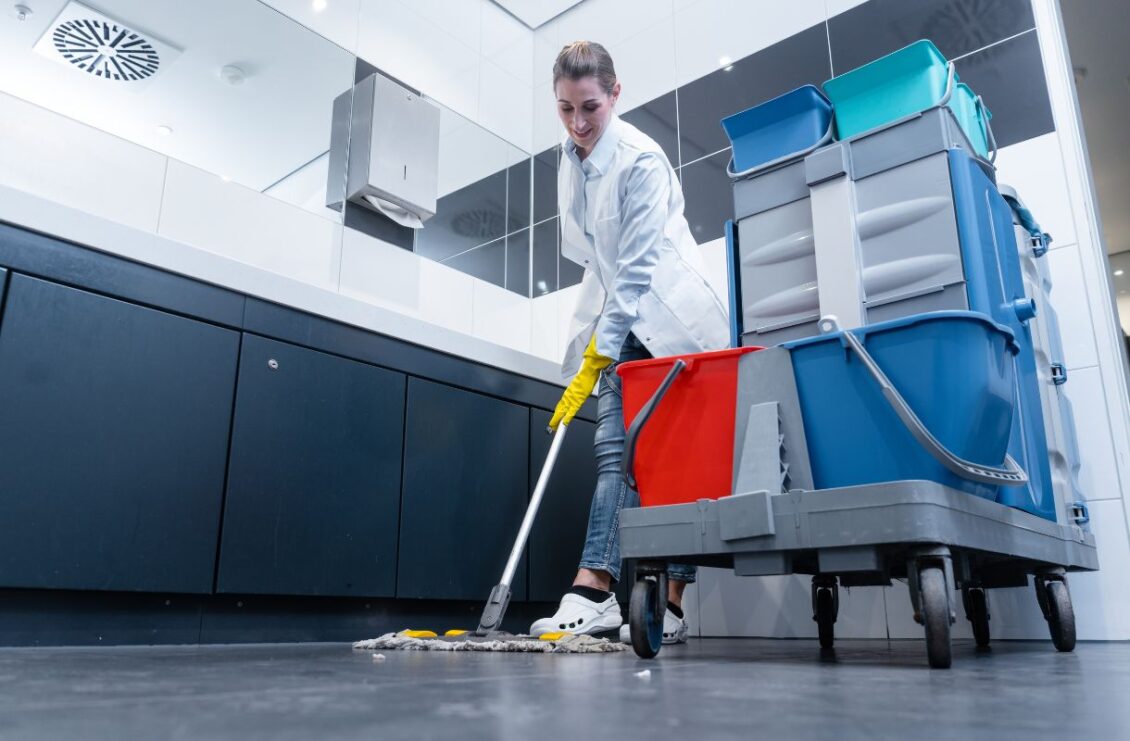
A clean and well maintained workspace has always been important, but in recent years it has become an essential part of how organisations protect their staff, manage productivity and maintain trust with customers. While many businesses have adapted their operations and technology, hygiene and maintenance routines remain one of the most influential parts of day to day working life.
A tidy environment supports clearer thinking, reduces distractions and helps staff feel more confident about the workspace they use each day. The UK continues to see stronger expectations around cleanliness across offices, community facilities and public-facing businesses. Although hygiene is often discussed inside large organisations, smaller companies also benefit from planning how they care for their space.
This article looks at why workplace cleanliness remains central to good business practice and what companies can learn from cleaning standards used internationally.
Creating a Workspace That Supports People
Employees work more effectively in orderly surroundings. Clean desks and fresh meeting rooms encourage focus, reduce unnecessary clutter and support healthier air quality. When people start their day in a well maintained building, they settle into their tasks more quickly and feel more positive about their environment.
This includes hybrid and flexible workplaces. Shared desks, hot-desking areas and high traffic break rooms need regular attention to remain comfortable and functional. Even simple improvements to surface care can help reduce the spread of seasonal illnesses and limit staff absences.
Learning From Global Cleaning Standards
Many businesses now observe how cleaning routines are managed in busy cities around the world. For instance, commercial cleaning providers in Melbourne work across environments with heavy foot traffic, mixed-use layouts and quick turnover between staff shifts. Services in areas such as commercial cleaning Moorabbin illustrate how structured routines and trained teams can support safety, presentation and day to day efficiency.
Although this is an Australian example, the principles translate well to UK workplaces. Planned cleaning reduces unexpected interruptions, keeps buildings functioning smoothly and helps managers maintain quality over time.
Hygiene as Part of Operational Planning
A company’s physical environment affects customers just as much as it affects staff. A tidy reception area sets the tone during the first few seconds of an interaction. Clean washrooms and organised kitchens raise morale. Even small details such as dust-free windows or well maintained floors influence how a business is perceived before any conversation begins.
This is why workplace hygiene is increasingly treated as part of operational planning rather than a background task. A structured approach helps companies stay consistent, even during busy periods.
The Health and Safety Executive outlines how cleanliness and routine maintenance support safer working conditions
Supporting Sustainable and Long Term Growth
Clean environments do more than improve daily comfort. They also protect equipment, reduce wear and help prevent sudden, costly repairs. Over time, businesses that integrate hygiene into their long term planning often see improvements in:
- staff retention
• customer satisfaction
• building longevity
• operational reliability
Even modest changes to cleaning routines can make a workplace feel calmer, more organised and more welcoming for everyone who uses it.
Final Thoughts
Workplace hygiene might seem like a simple topic, but it remains one of the most influential parts of how a modern company operates. Clean, well maintained environments help people work more effectively, support customer confidence and protect the long term quality of a building.
By adopting consistent standards and learning from strong cleaning practices used internationally, businesses can create spaces that feel safer, healthier and better equipped for growth in the years ahead.
