

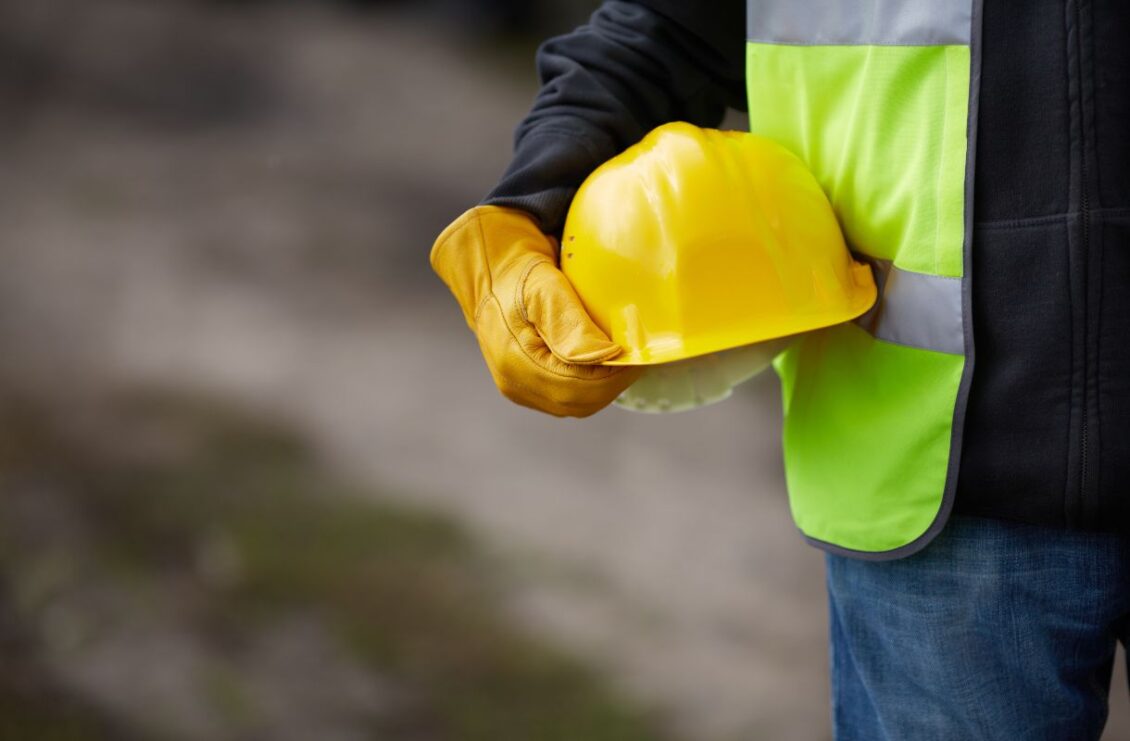
Construction sites are an inherently hazardous environment, featuring dangerous materials, heavy machinery, power tools and unstable structures. With staff being in constant exposure to risk, ensuring robust workplace security measures is non-negotiable.
What are the common risks on site?
In order to maintain construction site health and safety standards properly, organisations need to identify where the hazards come from. Now, this can vary significantly from one project to the other, depending on the unique site layouts and equipment used. However, the most common risks to look out for include:
- Slips, trips and falls – Most commonly caused by uneven or unreliable surfaces (scaffolding collapses) and unclean conditions (i.e. debris or slippery materials on the ground). This could lead to various levels of harm, from minor bruises to broken bones and even fatal injuries.
- Struck-by incidents – Construction sites are notorious for falling objects, including nails and screws, power tools, building materials and debris. When heavy or dropped from height, falling objects can result in serious head injury and concussion.
- Electrical hazards – During the project, lots of wiring and cabling is left exposed until the electrical work can be concluded. Contact with them could lead to electrocution, which can be fatal.
- Manual handling injuries – Repetitive lifting of heavy loads without assistance and using incorrect posture to do so is a direct road to muscle strains and back injury.
- Exposure to harmful substances – Construction sites are filled with dust, fumes, chemicals and other substances that are harmful to health. While they may not cause immediate injury, inhaling them over a prolonged period of time could lead to long-term health risks.
Best practices to reduce safety risks
Preventing construction site accidents completely is simply not possible, but there are certainly ways to reduce these risks to a minimum. To do so, organisations must look beyond basic compliance requirements – safety should be an integral part of your operations. Here are the key practices:
Conducting in-depth risk assessments
Every phase of a construction project should have a detailed risk assessment and an outline of how each risk can be prevented. Regular reviews are essential, particularly when equipment and site conditions change throughout the project.
Safety training
Construction teams should have both comprehensive safety training at the beginning of their work and regular refresher courses afterwards. It’s important that they understand not just what to do and how, but why certain safety measures matter (even when they are frustrating or make tasks more time-consuming).
Equipment maintenance
With regular use, construction site equipment becomes old and outdated. Employers must ensure that they are replaced or fixed before they become a safety hazard. For example, scaffolds and ladders must be regularly inspected for breakages, while power tools should be checked for exposed wires.
Essential safety signage
While straightforward, construction signs are incredibly efficient in maintaining safe operations, acting as a reminder or potential dangers. Clear and visible signs should be placed in all the key areas, warning the workers about restricted areas, overhead hazards, unsafe structures, excavation zones, etc. Besides the mandatory signs for compliance, organisations can also create custom construction site signs for their unique needs.
Good housekeeping
It might feel pointless to tidy up a construction site, however, housekeeping should be a standardised task before leaving the site each day, particularly when new team members will be arriving the next day. This includes clearing up any pathways to avoid trips, putting away hazardous materials, re-organising tools for the next day and ensuring essential safety signage has not been damaged. It not only minimises risks, but improves productivity too.
Managing public traffic
Vehicle movement and pedestrian traffic in and around the site can also cause risks, both to the workers and the public. To reduce the likelihood of incidents, construction sites should have designated one-way systems where possible, proper barriers and markings for pedestrian paths and construction signs for incoming vehicles. For projects near public roads, coordination with local authorities is often required, as it may be a part of the broader road safety improvements in the area.
Constant supervising
Even when the personnel willingly follow the safety protocols, human mistakes happen – workers can easily forget to wear their PPE or miss the construction site signs. It’s, therefore, crucial to have a competent site supervisor, who is there to identify unsafe behaviour and lead by example. Some sites also use smart CCTV cameras for compliance monitoring.
Emergency planning and incident response
If an accident does happen, the site must be prepared to deal with it immediately. Essential safety signage should clearly display first aid point and assembly areas, while the staff must be familiar with evacuation and emergency procedures. Regular drills are necessary for training purposes. Additionally, every incident (even the minor ones) should be investigated and the root causes found, to help improve the site safety even further and prevent them from recurring.
Building a culture of safety
The construction industry will always involve a level of risk, but a proactive and collaborative approach can keep the risks at bay. It’s your, as the employer’s, job to not just ensure safety compliance, but create a company culture that prioritises safety above all else.
