

Discover the Best Techniques to Safeguard Your Property from Woodworm Damage
Woodworm infestations can wreak havoc on your property, causing extensive damage to wooden structures, furniture, and even flooring. These wood-boring beetles can be a nuisance for homeowners, but timely intervention and the right treatment methods can save your precious belongings from destruction. In this blog post, we’ll delve into the world of woodworms, discuss effective woodworm treatment techniques, and explore when it’s time to call a woodworm treatment specialist in Southampton. So, let’s get started!
Table of Contents
-
Understanding Woodworm: A Quick Overview
-
Identifying a Woodworm Infestation
-
DIY Woodworm Treatment Methods
-
When to Call a Professional
-
Choosing the Right Woodworm Treatment Specialist
-
Preventing Woodworm Infestations: Top Tips
-
Understanding Woodworm: A Quick Overview
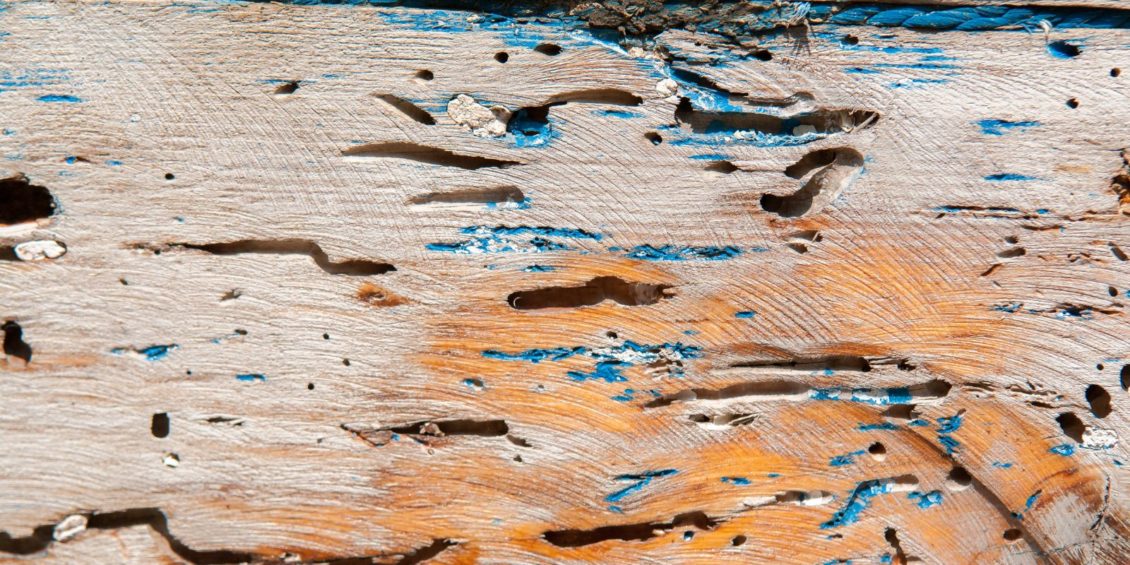
Woodworm refers to the larvae of wood-boring beetles, which burrow into and feed on wood, leaving a series of holes and tunnels in their wake. The most common species in the UK are the Common Furniture Beetle (Anobium punctatum), Deathwatch Beetle (Xestobium rufovillosum), House Longhorn Beetle (Hylotrupes bajulus), and Powderpost Beetle (Lyctus brunneus).
It’s crucial to identify the type of beetle infesting your property, as different species require different treatment methods. Understanding the life cycle of wood-boring beetles is also essential, as adult beetles lay eggs in crevices and cracks in wood, which then hatch into larvae, causing damage as they feed and grow.
-
Identifying a Woodworm Infestation
Before treating a woodworm infestation, it’s vital to determine whether your property is affected. Signs of an active infestation include:
Small, round exit holes in wooden surfaces, typically 1-2mm in diameter
Fine, powdery dust (frass) around these holes, produced as larvae bore through the wood
Weak or crumbling timber, indicating extensive damage
Live adult beetles or larvae, often found in the warmer months
Remember that not all holes signify an active infestation, as some may be remnants from a previous issue. It’s essential to investigate thoroughly before initiating treatment.
-
DIY Woodworm Treatment Methods
If you’ve detected a minor infestation, there are several DIY methods you can try:
- Chemical Treatments: Use a woodworm treatment solution, available at most DIY stores, to treat the affected area. Apply the solution liberally, ensuring it penetrates the wood’s surface to reach the larvae.
- Heat Treatment: Expose the infested item to high temperatures (around 60°C) for a few hours to kill larvae and eggs. This method is effective for small furniture items but not suitable for structural timber.
- Freezing: For small wooden objects, freezing at -20°C for at least a week can kill larvae and eggs, effectively eliminating the infestation.
Note that DIY treatments may not be effective for large-scale infestations or certain beetle species. In such cases, it’s best to consult a professional.
-
When to Call a Professional
There are instances when DIY methods are insufficient or inappropriate for treating a woodworm infestation. You should contact a professional if:
- The infestation is widespread or affects structural timber
- The affected wood is difficult to access or treat using DIY methods
- You’re unsure about the type of beetle or the extent of damage
- Choosing the Right Woodworm Treatment Specialist
- When faced with a severe infestation, it’s crucial to choose the right woodworm treatment specialist to ensure effective and lasting results.
Consider the following factors when making your decision:
- Experience and Qualifications: Look for a woodworm treatment specialist with extensive experience in dealing with various wood-boring beetles. Check their qualifications, certifications, and membership in professional associations, such as the British Pest Control Association (BPCA) or the Property Care Association (PCA).
- Reputation and Reviews: Research online reviews and ask for recommendations from friends or neighbours who have dealt with woodworm infestations. A reputable specialist should have a track record of satisfied clients and successful treatments.
- Customised Treatment Plan: A good woodworm treatment specialist in Southampton will thoroughly assess your property, identify the type of beetle, and devise a tailored treatment plan to address your specific infestation.
- Guarantee: Ensure the specialist offers a guarantee on their work, providing peace of mind that the infestation has been effectively treated and won’t return.
Preventing Woodworm Infestations: Top Tips
Prevention is always better than cure, and there are several steps you can take to reduce the likelihood of a woodworm infestation in your property:
- Regular Inspections: Routinely inspect wooden structures, furniture, and flooring for signs of woodworm. Early detection allows for prompt treatment and minimises damage.
- Control Humidity: Wood-boring beetles prefer damp environments, so maintaining a relative humidity below 60% can discourage infestations. Use dehumidifiers, improve ventilation, and fix any leaks or damp issues in your property.
- Wood Treatment: Treat new and untreated wood with a wood preservative to make it less appealing to woodworm. This is particularly important for structural timbers and outdoor wooden items.
- Store Firewood Properly: Keep firewood off the ground, away from your home, and ensure it’s well-seasoned before burning. This reduces the risk of introducing woodworm into your property.
Conclusion
Woodworm infestations can be damaging and distressing, but with the right knowledge and approach, you can effectively treat and prevent them. Whether you’re tackling a minor infestation with DIY methods or seeking the expertise of a woodworm treatment specialist in Southampton, it’s essential to act promptly and choose the appropriate treatment method for your situation. By following the prevention tips outlined in this blog post, you can protect your property from the costly and disruptive effects of woodworm infestations.
