

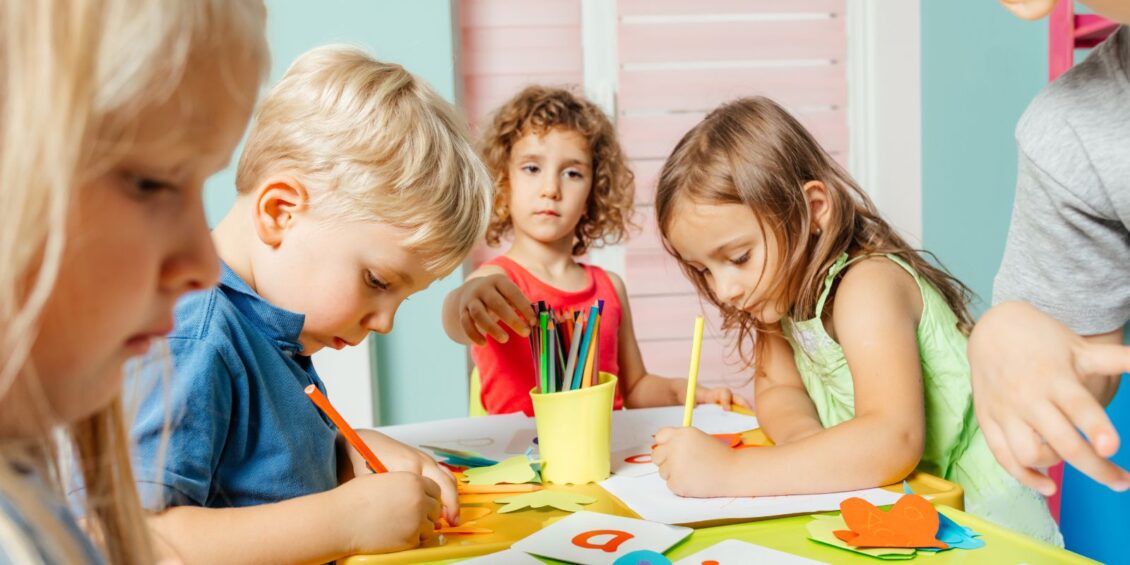
Play-based learning is swiftly gaining recognition as a powerful approach within Welsh schools, marking a shift towards more dynamic and engaging educational methods. This strategy captivates young minds and enriches their learning experience, making the classroom an exciting place for exploration and discovery. By integrating play into daily activities, educators can support a breadth of developmental areas, including cognitive skills, creativity, and social aptitude.
As children engage with their peers in a play-focused setting, they learn crucial life skills such as cooperation, problem-solving, and empathy. These environments encourage students to express themselves and explore their interests in a supportive framework, paving the way for a lifelong love of learning. The result is a well-rounded education that goes beyond traditional teaching methods to include the healthy development of emotional and interpersonal skills.
Critical Elements of Effective Play-Based Learning Environments
Creating an effective play-based learning environment requires careful consideration of young learners’ physical and emotional needs. Schools across Wales find that versatile and adaptable spaces encourage higher student engagement. These environments often include sensory materials catering to different learning styles and preferences, allowing children to explore and learn naturally.
These environments must be safe and welcoming, providing a comforting space where children can experiment and learn without fear of failure. This approach not only supports academic learning but also contributes significantly to the development of personal and social skills. Teachers play a crucial role as facilitators, guiding the play without dominating it, which helps to cultivate a sense of independence among the students.
Integrating Nature with Curriculum
Incorporating natural elements into the educational curriculum offers numerous benefits, as seen in several Welsh schools where outdoor learning is now a core component. Teachers can use local parks and school gardens to bring lessons to life, offering students a tangible connection to the subject, whether science, geography, or art. This method enhances learning and promotes a healthier lifestyle by encouraging physical activity.
These outdoor sessions help students develop a respect for nature and an understanding of their environment, which are crucial in today’s world. Schools have reported that students are more enthusiastic and retain information when taught outside. The change of scenery from a traditional classroom to the outdoors often rejuvenates students, sparking curiosity and enhancing their learning experience.
Resources and Tools for Enhancing Play in Education
As educators seek to enrich the learning experiences of their pupils, selecting appropriate resources and tools becomes paramount. One innovative example is using mud kitchens from TTS, which offer a creative outdoor play option that combines sensory play with practical life skills. These kitchens provide a platform for imaginative play while teaching children about different materials’ properties and basic scientific concepts.
The benefits of such resources extend beyond play. They encourage teamwork, as children negotiate roles and collaborate on various ‘cooking’ projects. This kind of play stimulates creativity and develops language skills as children discuss what they are doing. By integrating these playful learning tools into the curriculum, schools can offer students a more engaging and practical educational experience.
Cognitive and Social Benefits of Outdoor Play in Early Childhood Education
Outdoor play is vital in early childhood education to build cognitive and social development. Engaging with the natural world helps children improve their problem-solving skills and boosts their creativity. For instance, playground navigation can teach spatial awareness and planning, while group games enhance strategic thinking. These activities make learning visceral and enjoyable, helping children to internalise lessons more effectively.
Socially, outdoor play is indispensable. It allows children to learn how to work in teams, share, negotiate, and resolve conflicts. These interactions are fundamental in developing empathy and interpersonal skills. Children learn to understand different perspectives and build strong social bonds by playing together. This early development of social skills is crucial in preparing them for the complexities of later relationships.
Challenges and Solutions in Implementing Play-Based Education
Implementing play-based education presents several challenges, particularly balancing structured learning with free play. Educators often grapple with aligning play activities with educational standards and outcomes. Ensuring that play is purposeful and directed towards learning goals without stifling creativity is a delicate balance to maintain.
However, solutions are at hand. Professional development for teachers can equip them with the skills to integrate play effectively into the curriculum. Workshops and training sessions can offer new ideas and methodologies for crafting engaging play experiences for educational purposes. Additionally, involving parents and the community in the educational process helps to create a supportive environment that recognises the value of play in learning.
Evaluating the Impact of Play on Early Developmental Milestones
Measuring the impact of play on developmental milestones is essential to validate its effectiveness in educational settings. Studies show that children who engage in regular, varied play exhibit advanced motor skills, better language acquisition, and more refined social interactions. These are clear indicators that play contributes significantly to developmental progress.
Educators and researchers use various tools to assess these benefits, including observational checklists and developmental screenings. These tools help to monitor children’s progress and provide valuable feedback on the effectiveness of play-based learning strategies. By continuing to evaluate and adapt, schools can ensure that their play initiatives meet their educational objectives and support their students’ overall development.
Community Involvement in Enhancing Play Opportunities for Children
Community involvement plays a pivotal role in enhancing the play opportunities available to children, offering both resources and support. Local communities in Wales increasingly recognise the importance of play in child development and are thus investing in safe, accessible play areas. These communal efforts often involve refurbishing parks, organising play days, and providing materials for creative and physical play, which are vital for children’s growth.
Collaborations between schools, parents, and local businesses can lead to innovative play solutions catering to diverse needs and interests. Communities can create enriching play environments beyond the basics by pooling resources and ideas. These initiatives not only enhance children’s play experiences but also foster a sense of belonging and community spirit, making it clear that the well-being of children is a shared responsibility.
The Future of Play in Welsh Education
As we look to the future, the role of play in education appears to become more prominent, with new pedagogical approaches highlighting its importance in holistic development. Innovations in educational technology and materials make play more interactive and beneficial, ensuring it remains a core part of the learning process.
Research continues to underline the crucial impact of play on academic and social outcomes, educational policies are likely to advocate for its integration increasingly. This shows a shift towards more flexible curricula that allow for greater creativity and exploration in learning. The ultimate goal is to equip your children with the skills they need to thrive in an ever-changing world, ensuring they benefit from a balanced and engaging education from the earliest stages.
The increasing recognition of play as a vital component of education in Wales is a positive stride towards fostering well-rounded development in children. Through creative and interactive play, students learn essential academic concepts and develop critical life skills that will serve them throughout their lives. It’s clear that when educators, parents, and the more comprehensive community work together, the benefits for children are substantial.
This collective effort enriches the learning environment, making it more engaging and effective for every child. The commitment to incorporating play into education underscores a shared goal: to equip children with the tools they need to succeed and thrive in a rapidly evolving world.
